Africa-Press – Rwanda. For many professional athletes, success on the field does not always translate into financial security after retirement.
Studies and industry estimates suggest that between 40% and 60% of athletes across different sports face financial difficulties within a few years of retiring. In some cases, players experience bankruptcy or serious financial stress within just two years of leaving the game.
The reasons vary from poor financial planning and short career spans to limited education, and pressure to maintain expensive lifestyles.
While global stars like Cristiano Ronaldo and LeBron James are often praised for building businesses and investing wisely, others—such as former cyclist Jean Bosco Nsengimana, ex-Amavubi goalkeeper Muhamud Mossi, and Garrincha, one of Brazil’s greatest footballers—have seen their fortunes disappear due to mismanagement or lack of preparation.
In Rwanda, where professional sports are still developing, athletes are becoming increasingly aware of these risks. With careers often cut short by injury, age, or competition, many are beginning to plan ahead—saving money, investing, and preparing for life beyond sport.
Start early and stay disciplined
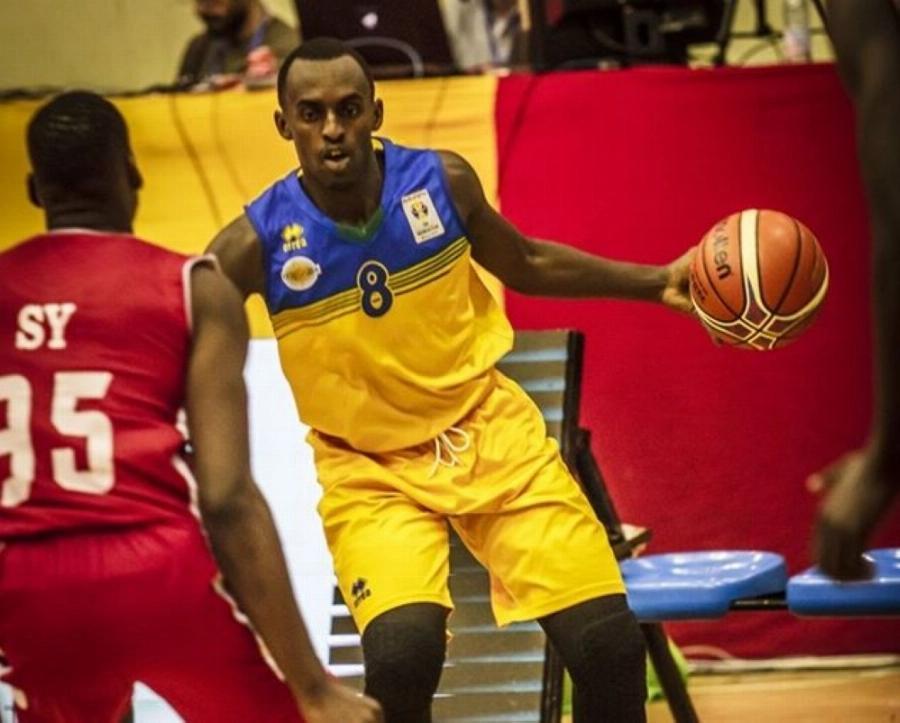
Former national basketball team captain Aristide Mugabe emphasizes the importance of early preparation.
“The only way to prepare for life after playing is to start early. Get an education—at least high school, and if possible, university. Learn something you can rely on later in life.”
Former national basketball team captain Aristide Mugabe emphasizes the importance of early preparation.
Mugabe highlights discipline and continuous learning as key pillars. He points to financial literacy, mental health awareness, coaching, sports management, and building side businesses as essential areas for athletes to explore.
He noted that during his prime, basketball in Rwanda was not financially sustainable, forcing him to pursue a parallel career in finance.
“If basketball had been my only source of income, I would not have been financially ready, because there was little money when we started,” he said.
This raises a broader question: why do some athletes who earn well during their careers still struggle financially after retirement?
According to Mugabe, the main causes are a lack of financial education—especially in money management—and pressure from family and close circles.
Without proper planning, it becomes easy to lose wealth over time. Many athletes also feel responsible for supporting extended families, which can lead to overspending and financial strain.
“We see this quite often, and it’s always sad—it leads to difficult living conditions after retirement,” he added.
Despite this, Mugabe says he has no regrets, only wishing he had learned about investing earlier. He attributes many financial struggles to limited education, lack of discipline, low pay, and insufficient professionalism in some sports.
Emotional and financial transition
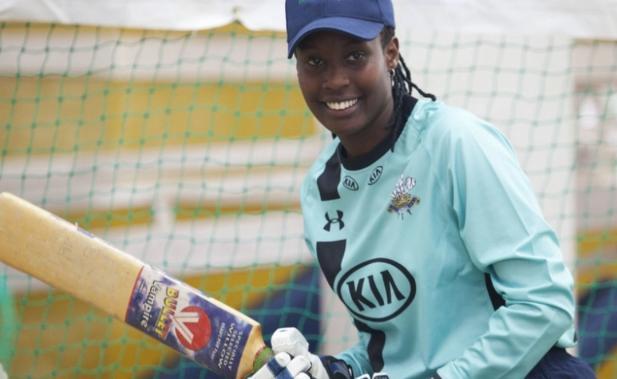
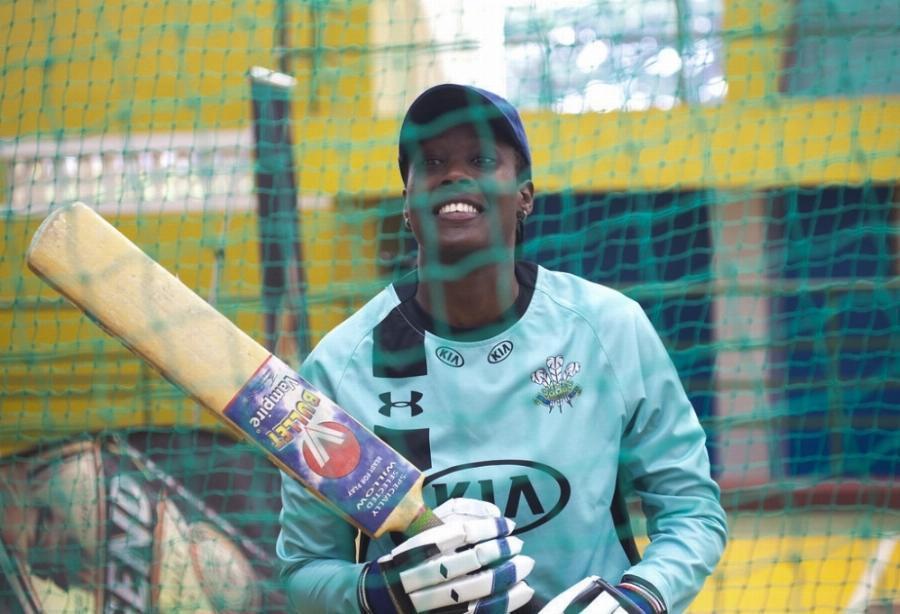
Former Rwanda national cricket player Cathia Uwamahoro shares a similar perspective, having begun preparing for retirement midway through her career.
“I asked myself early: what will I do when the bat and ball are no longer my daily tools?”
Former Rwanda national cricket player Cathia Uwamahoro in April 2027., made World Guiness record in Kigali. Photo by Sam Ngendahimana
Although she had a plan, the transition was still challenging.
“Cricket gave me identity, routine, and purpose. Leaving that behind meant redefining myself,” she said.
Her biggest challenge was emotional adjustment. To cope, she remained connected to the sport through commentary, scoring, and club cricket.
Financially, she was more stable because she balanced cricket with a job.
“Having another source of income allowed me to save consistently and plan ahead,” Uwamahoro said. “Once I left the national team, I had to depend on myself and remain very disciplined with my finances.”
Challenges for female athletes
Uwamahoro points out that female athletes often face greater financial challenges due to fewer opportunities and lower pay.
However, she stresses that preparation makes a significant difference.
“Those who think about life after sport early and build something beyond the field transition more smoothly.”
She identifies education as the most critical tool—it provides qualifications, opens career opportunities, and ensures long-term stability.
Lessons from retirement
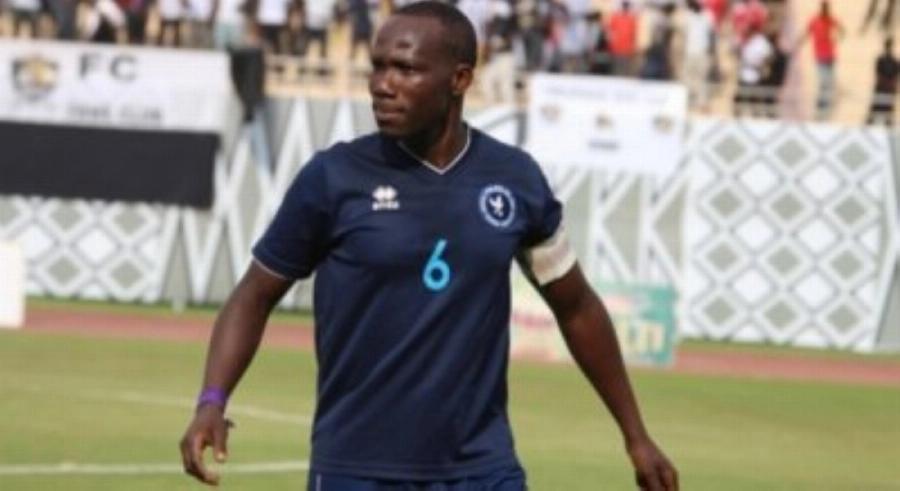
Former Police FC legend and Amavubi player Fabrice Twagizimana believes that while athletes have choices, not all outcomes are entirely within their control.
“Everyone has a choice. Some waste their money, others try to save. But even those who save can be betrayed,” he said.
Former Police FC legend and Amavubi player Fabrice Twagizimana
Drawing from personal experience, Twagizimana explained how difficult it was to build financial security, only to face betrayal from close relatives.
“I was born into a poor family and joined football with the dream of lifting them out of poverty. I saved from the second division, continued in the first division, and even at the national team level. I did everything I could to secure my future,” he said.
Despite his efforts, challenges—including betrayal from those close to him—undermined his financial stability.
Looking back, he admits that many players of his generation were not financially prepared.
“Many players in our time did not save enough. But today’s generation is doing better—they are saving in more sustainable ways.”
He believes past experiences have become valuable lessons for younger athletes. During their time, earnings were limited and investment opportunities were poorly understood.
“We became a lesson. At that time, money was small, and even property was cheap. A plot that cost Rwf 1 million is now worth around Rwf 10 million. Today’s players have learned—they are buying land and building houses.”
He also criticizes the culture of showing off wealth.
“Some players spend just to prove they are rich, but it brings no real benefit.”
When it comes to life after football, he expresses disappointment over the lack of recognition and opportunities for former players.
“It is sad that legends are not always recognized or given roles by their former clubs or federations. After more than 10 years with Police FC, I still don’t have a job,” he claimed.
Drawing experience from his financial hardships, he urged young athletes to prepare their future early for a stable retirement.
“They should look at where we came from and how we live today, and learn from it. If they don’t, they will face the same problems.”
A shared message: prepare early
Across all perspectives, one message stands out: preparation must begin early.
Athletes emphasize the importance of education, financial literacy, and developing skills beyond sport to secure their future. Saving early, investing wisely, and exploring alternative careers or business opportunities are essential for long-term stability.
While initiatives such as athlete forums by the Rwanda National Olympic and Sports Committee are a step in the right direction, more structured programs are needed to equip athletes with financial knowledge and career planning skills for life after sport.
For More News And Analysis About Rwanda Follow Africa-Press