Africa-Press – Rwanda. As Rwanda marks the 32nd commemoration of the 1994 Genocide against the Tutsi, a period observed under Kwibuka, the nation reflects not only on the lives lost but also on the enduring journey of survivors.
Each year, this time invites remembrance, resilience, and renewed commitment to rebuilding lives once shattered by one of history’s darkest chapters.
For many survivors, the commemoration period is both deeply painful and profoundly reflective — a time to confront memories while also measuring the distance travelled in rebuilding their lives.
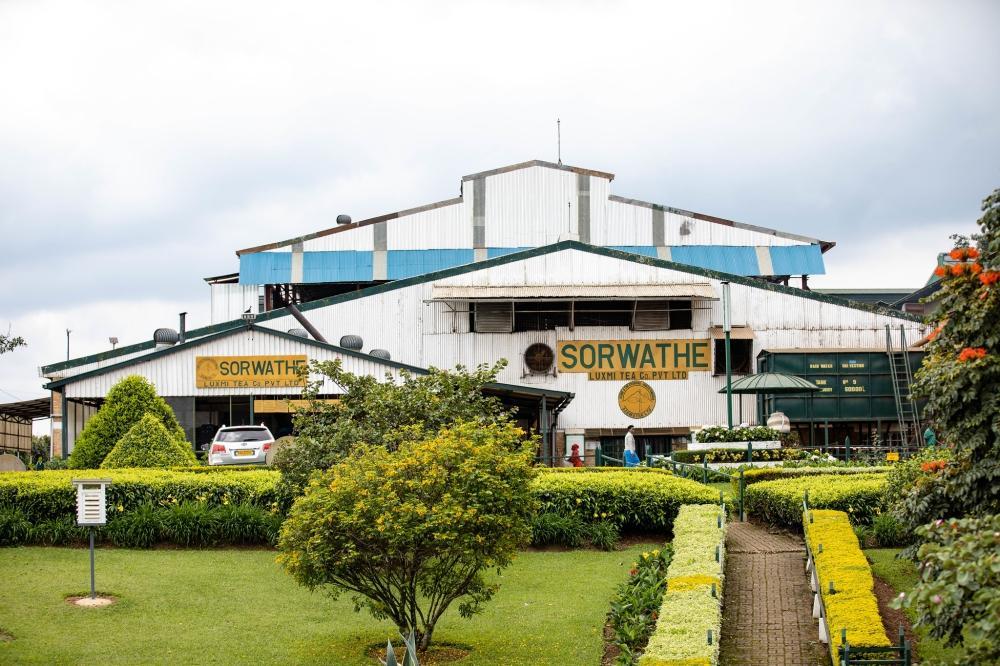
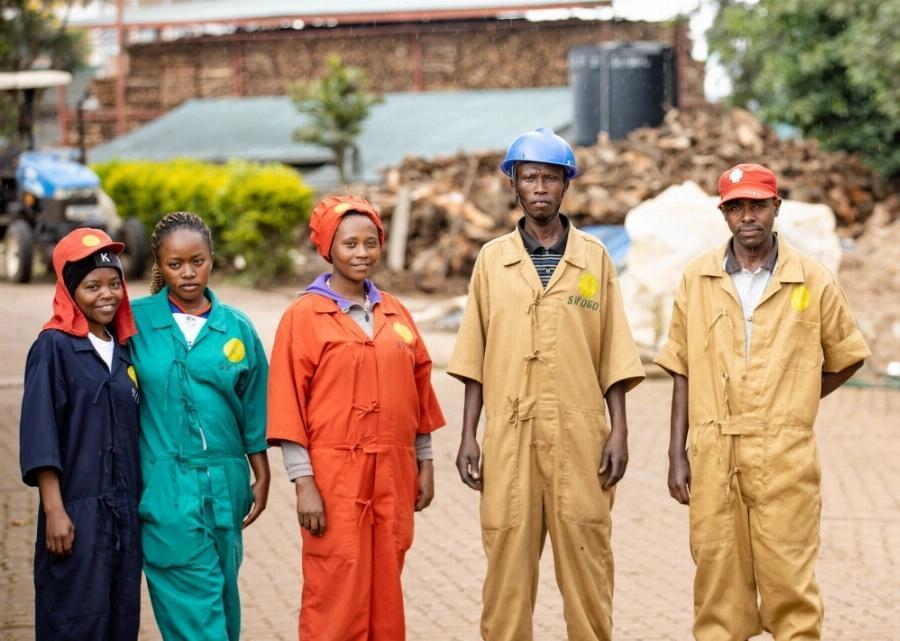
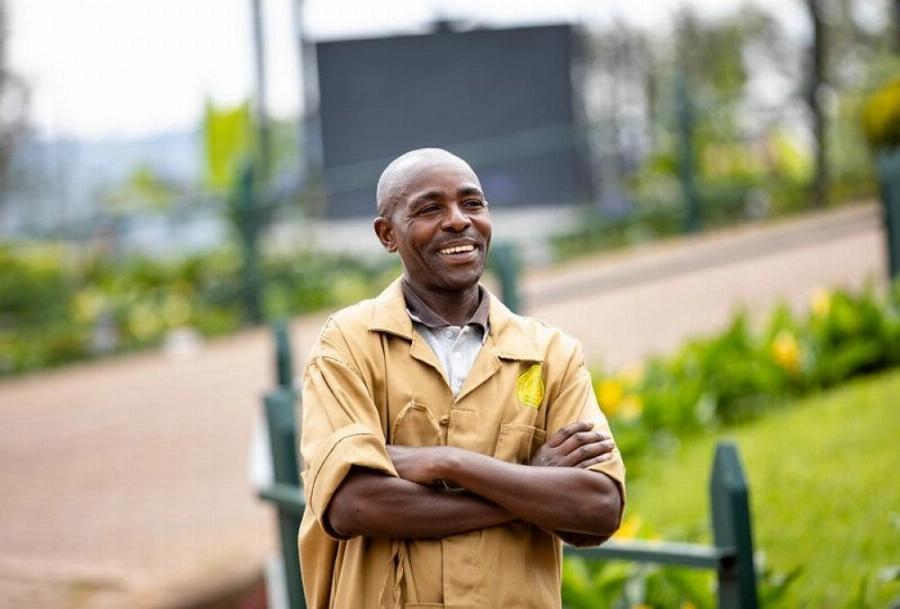
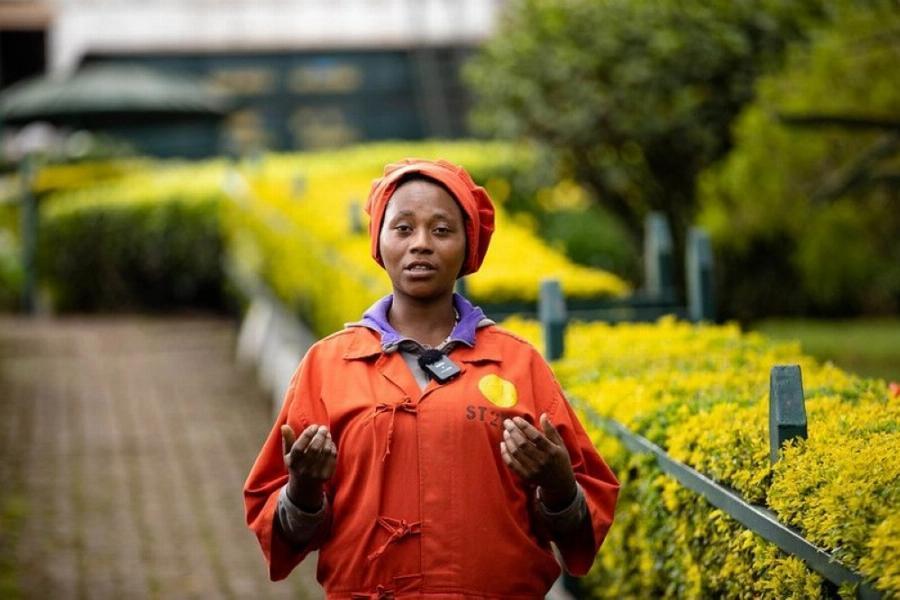
Workers at SORWATHE where employment contributed to a path to recovery, resilience and renewed hope , in Rulindo District. Photos by Dan Gastsinzi
For Genocide survivors, rebuilding life has been a long and difficult journey. At SORWATHE, a tea company based in Rulindo District, employment has helped change that — offering not just income, but a path to recovery, resilience and renewed hope.
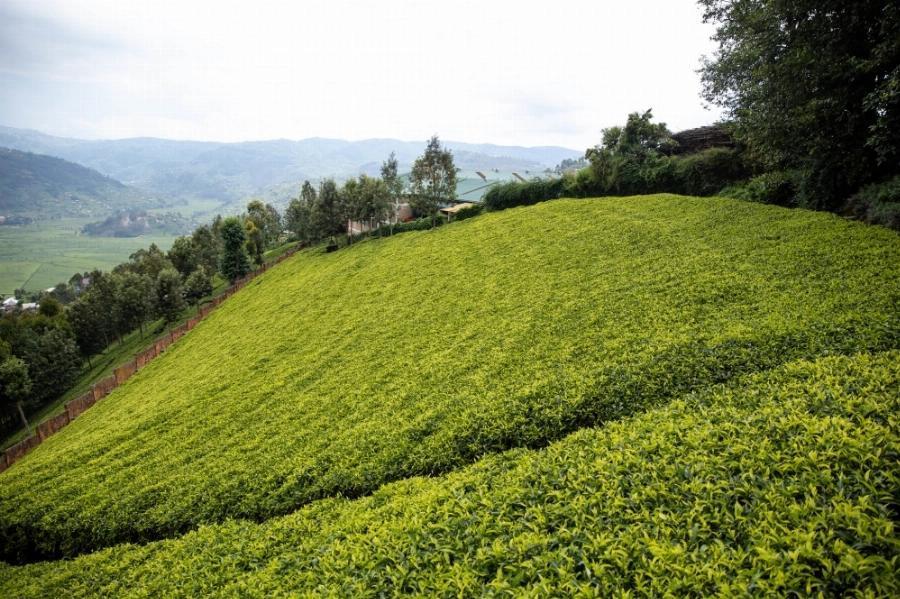
Established in 1975, the tea company is among Rwanda’s oldest, growing tea across more than 2,100 hectares in partnership with surrounding communities.
A life rebuilt: Rubayita’s journey beyond Genocide survival
For SORWATHE technician Adidas Rubayita, a Genocide survivor who lives in Kinihira Sector in Rulindo District where the firm operates, the memories of the Genocide began long before 1994.
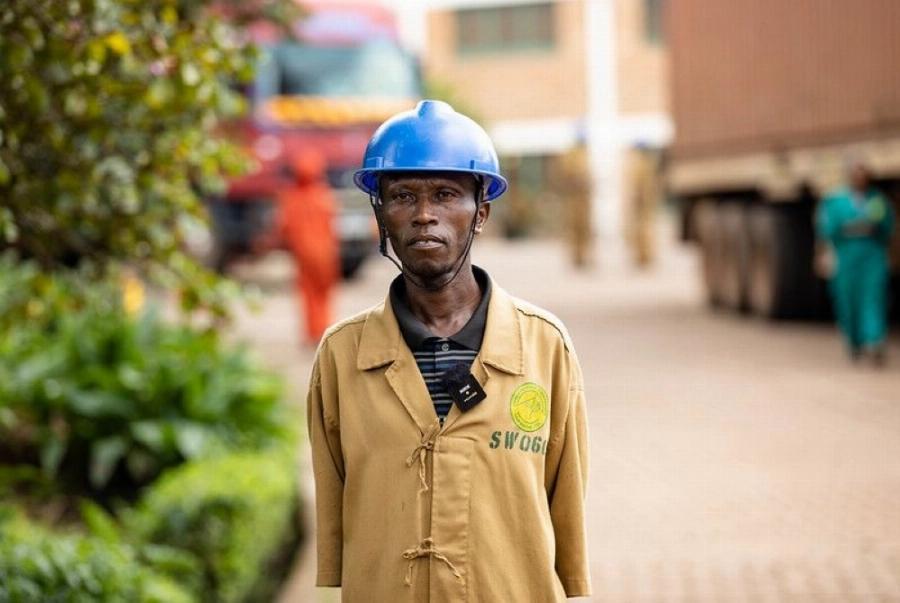
Adidas Rubayita, a genocide survivor who now works in SORWATHE during the interview.
He recalls noticing warning signs as early as 1990, when he was still a teenager and heard people openly calling for the killing of Tutsis.
“They would say, let us stop tolerating those cockroaches; we will take machetes and cut them down because we know where they are,” he recalls.
By 1994, the violence had escalated. Rubayita and his family fled from Kinihira to Murambi, navigating roadblocks where lists of those marked for death were displayed. They later returned to the “Zone Tampon” – Buffer zone in Rulindo District, which had been liberated by the FPR Inkotanyi in the early days of the Genocide.
After the country was liberated, Rubayita joined the former FPR (Rwanda Patriotic Front) army before returning to civilian life in 2002. But the challenges persisted.
“When I came back home, life was still very difficult,” he says.
A turning point came in 2004, when he secured a job at SORWATHE.
Building livelihoods through work and investment
With a steady income, Rubayita began to rebuild. He saved, bought cows and acquired land. When the company later introduced tea seedlings to workers, he was among the first to embrace the opportunity.
Today, he grows tea on 32 acres of land.
His employment also enabled him to diversify his income. In 2020, he constructed a commercial building in a trading centre in Kinihira Sector and later established a carpentry and welding workshop in preparation for retirement.
“I wanted to make sure I would still have something to do [to get income] after retiring,” he says.
Message of resilience to fellow survivors
Rubayita encourages fellow survivors not to remain trapped in despair.
“Given everything we have gone through, we should not remain in isolation. We must work hard so that the future can be better.”
Employment at the company helps restore confidence and social connection
For Epimaque Niyongombwa, a janitor at the factory, SORWATHE also marked a turning point.
Before joining the company in 2007, he says he lived in deep isolation and struggled to survive.
Epimaque Niyongombwa , shares his testimony during the interview at SORWATHE.
“I was like someone who had nothing to think about,” he says. “I did not spend time with other people or have conversations with them.”
Working at the firm helped him regain confidence and reconnect with others. Since then, he has married, bought farmland and planted tea on 20 acres, all financed through his salary.
He is now a member of the Assopte cooperative, which works with the factory.
Breaking the cycle of trauma for younger generations
For younger workers like Marie Edith Bayisenge, SORWATHE has helped break the cycle of trauma passed from one generation to another.
Born in 1996, Bayisenge did not witness the Genocide herself, but grew up experiencing its impact through her parents.
Edith Bayisenge, one of workers at SORWATHE, speaks to The New Times.
She recalls how, during commemoration periods, her parents would become withdrawn and distressed.
“Coming to work at SORWATHE helped me a lot,” she says. “I got a job, earned a salary, and began buying livestock.”
Beyond financial stability, she says the workplace environment helped her overcome the isolation she experienced at home.
Today, she continues to support her family and build on the progress she has made.
Survivor support extends beyond employment
Beyond employment, SORWATHE has established a support mechanism for survivors. According to the company, every visitor who tours the factory pays Rwf7,500, which is channelled into a fund dedicated to supporting Genocide survivors.
The funds are used to assist both employees and survivors living in nearby communities.
During the commemoration period, the company visits survivor families, providing food and other basic necessities. Some receive livestock to help them rebuild livelihoods, while homes in poor condition are repaired.
Continued support for families of former employees
SORWATHE also supports families of its former employees who were killed during the Genocide against the Tutsi. During commemoration activities, these families are given transport support, and the company follows up with visits and additional assistance, including food and other essential items.
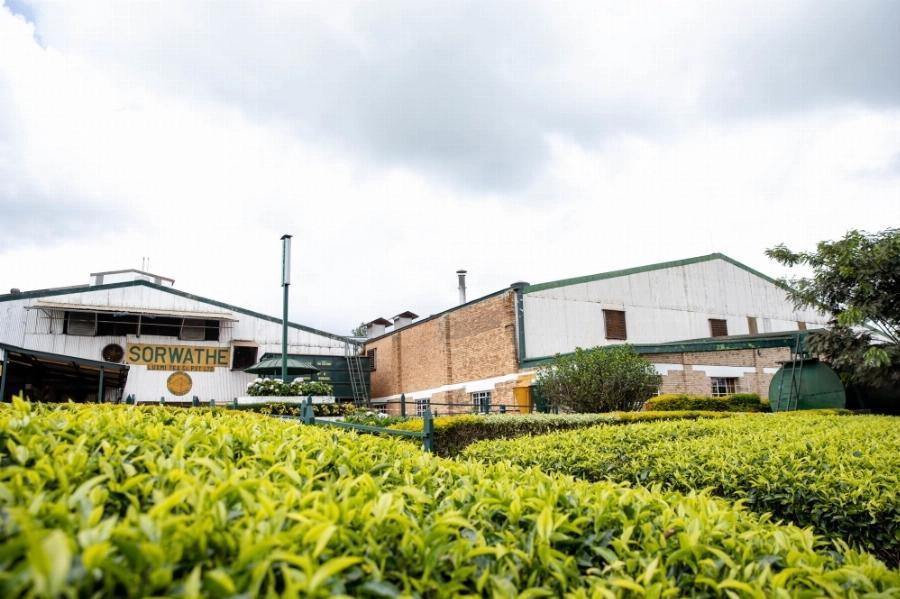
Tea plantation near SORWATHE in Rulindo.
SORWATHE has many awards due to the outstanding performance.

For More News And Analysis About Rwanda Follow Africa-Press