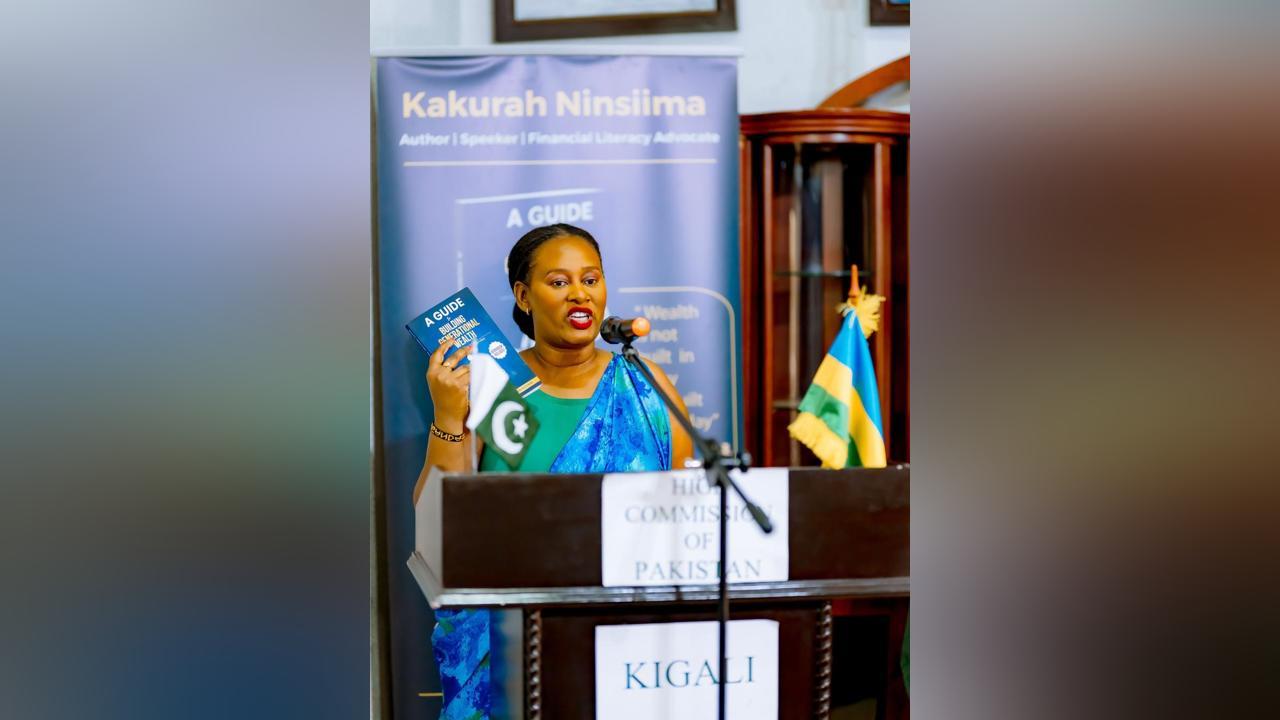
Africa-Press – Rwanda. Wealth in African families often stops where it begins. Even when it reaches the second generation, it rarely continues, leaving women and children out of financial decisions and inheritance. Kakurah Ninsiima experienced this herself. She grew up in a well-to-do family, but they were not able to sustain and pass it on to the next generation.
The Ugandan-born financial literacy advocate and author said women were often left out of money conversations, and she had never been taught how to save, invest, or grow her family’s assets.
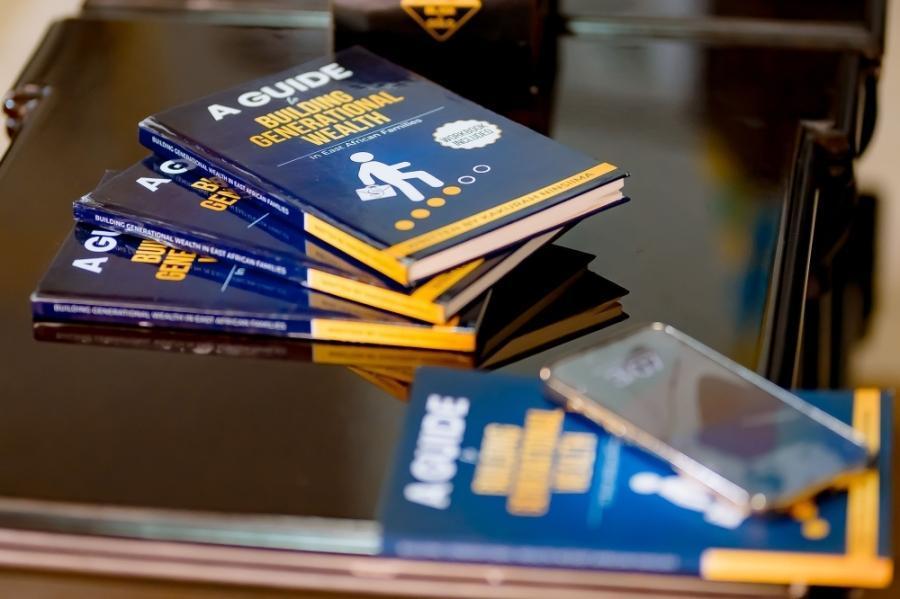
That experience inspired her to write, “A Guide to Building Generational Wealth in East African Families”, a book with stories from Uganda, Kenya, and Rwanda, showing how families can talk about money and ensure their wealth lasts for generations.
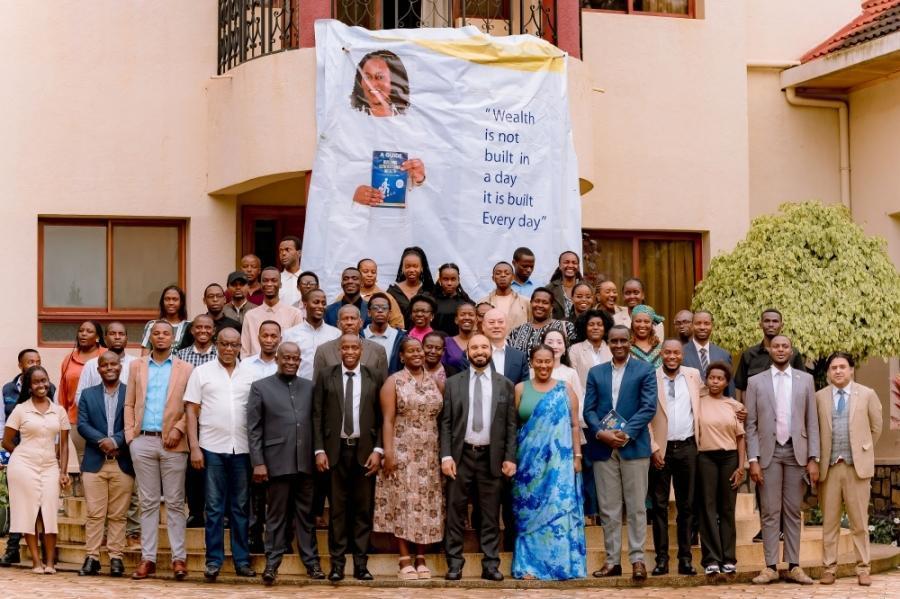
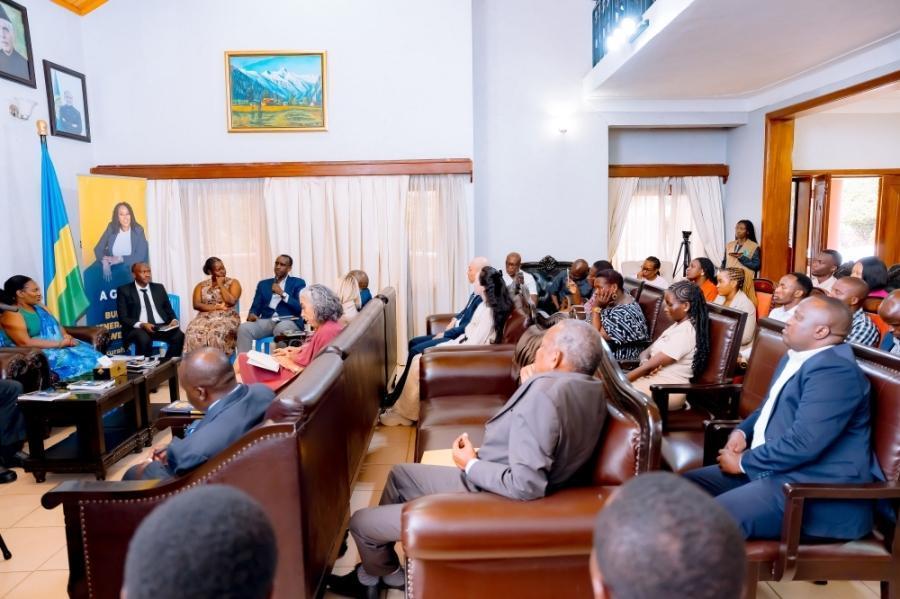
“I wrote this book so women can openly discuss finances. When men discuss money, we are most times left out. But if we are not invited, we need to create our own seat at the table and be part of the conversation,” she said in an interview at the launch of the book on Monday, December 29 in Kigali.
“A Guide to Building Generational Wealth in East African Families”, a book with stories from Uganda, Kenya, and Rwanda.
Ninsiima explained that many African cultures do not teach girls about money, which results in women lacking knowledge about saving, budgeting, or investing.
“If you don’t understand financial literacy, you don’t really understand money. You earn it, spend it, and never plan or grow it. That’s something most women haven’t been taught. I wrote this book so that wealth can be passed down from one generation to the next, in a way that portrays our culture,” she said.
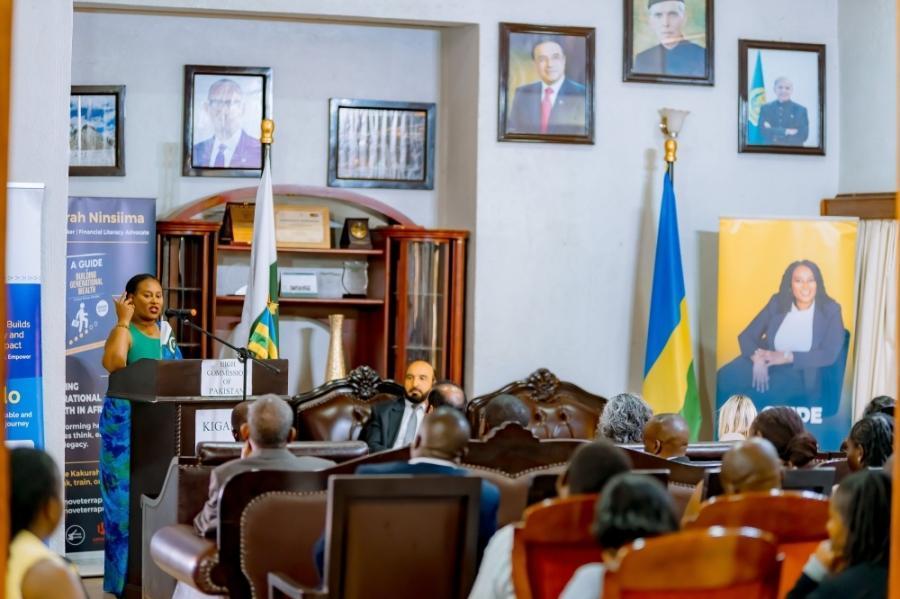
At her book launch at the High Commission of Pakistan, Ninsiima said men build wealth, but when they die, their families take control, leaving widows with nothing. She said women are excluded from financial discussions, which prevents them from contributing to the family’s wealth.
She urged families to start talking about finances at home, including women and children, noting that families should read about finances together and learn to save, budget, and plan so that assets can move across generations.
The author spent about three years on the book, and she first launched it among Africans in the diaspora before bringing it to Africa.
She noted that the research was challenging because it involved stories from Uganda, Kenya, and Rwanda. Finding people to talk to, gaining access, and encouraging them to share their experiences was difficult. Frequent travel and language differences added to the challenge, though many people shared willingly.
“The culture of saving has weakened, people say Africans don’t save, but that’s not true. Traditionally, we saved beans, stored food in granaries, and planned for the next harvest. Today, saving has shifted to money, and children need to learn about it from an early age.”
The author explained that families should discuss financial struggles, whether they are just getting by or trying to build wealth.
She added that children should be guided when receiving money, with clear explanations of its purpose, whether to save, invest, or buy something, so that they can learn to manage it responsibly. “If you give a teenager money just to buy an iPhone, is that sustainable?”
Ninsiima said many Africans avoid talking about money for fear of judgment. She added that most books on financial psychology focus on Western experiences and ignore African realities. That inspired her to write a guide based on African culture and family habits.
“Wealth is not just money; it includes assets, intellectual property, and the knowledge we pass from one generation to the next,” she said.
“Families should meet every year to talk about their legacy, vision, and how wealth will benefit their children and grandchildren. Wills and trusts can help protect it, while modern life insurance can support education, ensure a dignified burial, and provide long-term security for the family,” she said.
Ambassador Naeem Khan, High Commissioner of Pakistan to Rwanda, Burundi, and Angola, said having the book launch at the embassy shows how education and academic activities can play a role in diplomacy.
“Diplomacy is not just about foreign affairs, financial reports, or trade. Education, literature, knowledge, science, technology, and research can also bring nations together. That is why we are hosting this launch here,” Khan said.
Khan noted the author’s attempt to explain the need to plan ahead and manage wealth responsibly, ensuring it benefits children and grandchildren. He added that legacy is about leaving something meaningful for the generations that follow.
Aimable Nkuranga, a financial coach based in Kigali, said that in the past, Rwandans passed on wealth through agriculture. For example, families saved seeds for the next planting season, kept harvests for difficult times, and only slaughtered bulls, since cows were needed to produce.
He noted that wealth existed in land, livestock, knowledge, and the wisdom to make assets productive, and it was handed down from one generation to the next.
“Things have changed with money, and many people struggle to save for emergencies. Very few businesses in the country have lasted more than 30 years. Most that survive are public companies or started with foreign partners who brought technology and management know-how,” Nkuranga said.
“Family businesses collapse when the founder dies. Rwandans have entrepreneurial energy and can start and grow businesses successfully, but passing the baton is the challenge. The next generation may not be interested, may lack the skills, or may just want to enjoy the success they grew up with.”
He added that the book addresses this challenge, helping readers think about their situation and plan strategies to protect and grow wealth across generations.
Ninsiima runs an eight-week financial literacy course for corporations, farmers, veterinary professionals, and women. The programme is offered as self-paced or intensive training, alongside mentorship to guide investment decisions. The book is available on Amazon for Rwf 15,000.

For More News And Analysis About Rwanda Follow Africa-Press