Africa-Press – Rwanda. At the age of nine, Issa Nsengiyumva was thrust into a nightmare that would forever shape his life.
Born and raised in Kagarama sector, Kicukiro District, Nsengiyumva, a survivor of the Genocide against the Tutsi, recalls how his family was discriminated against, even before April 1994.
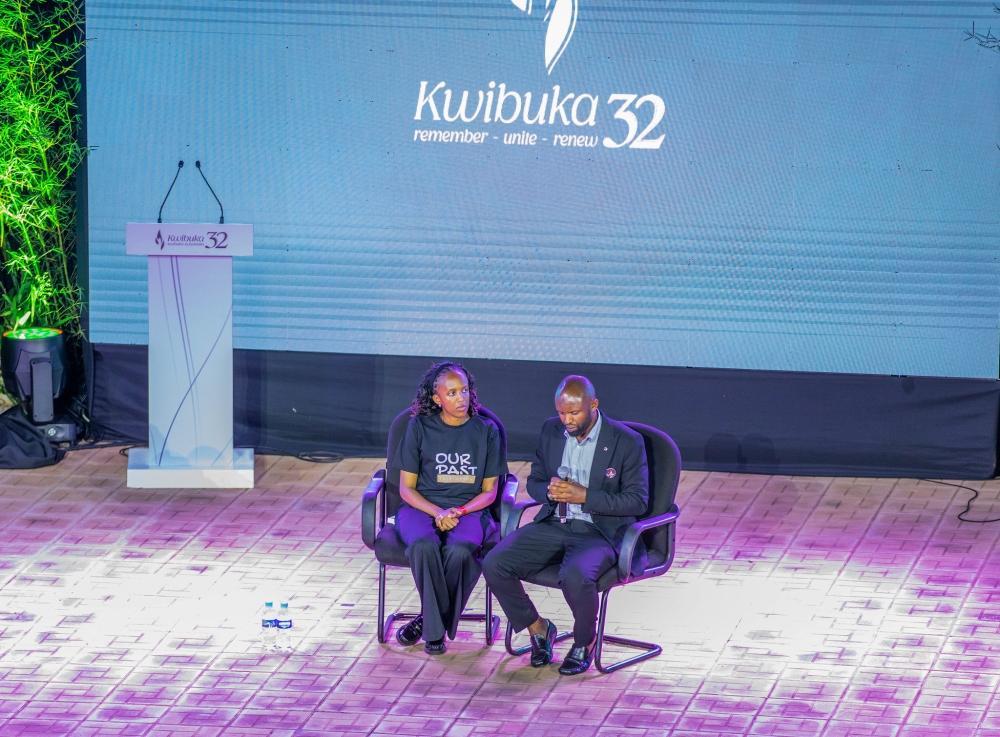
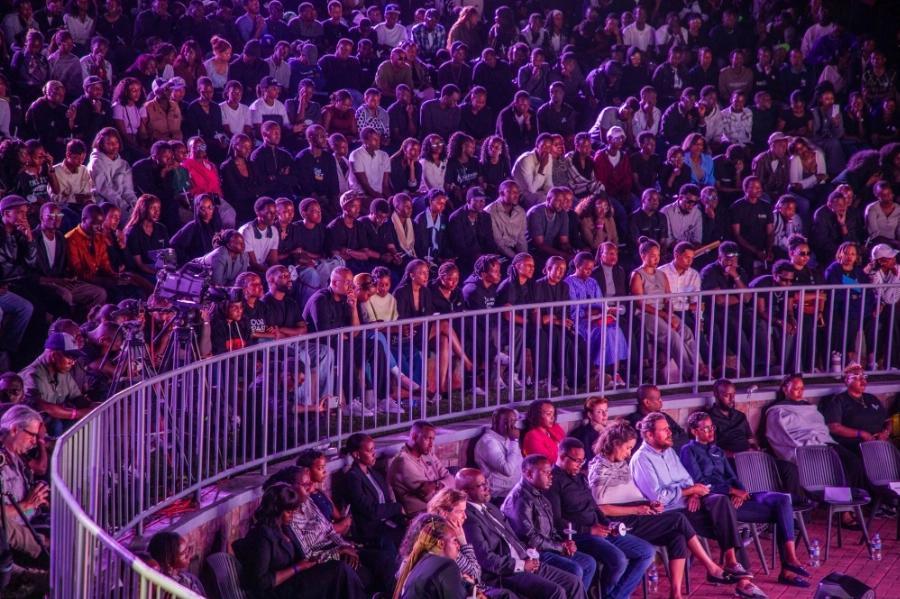
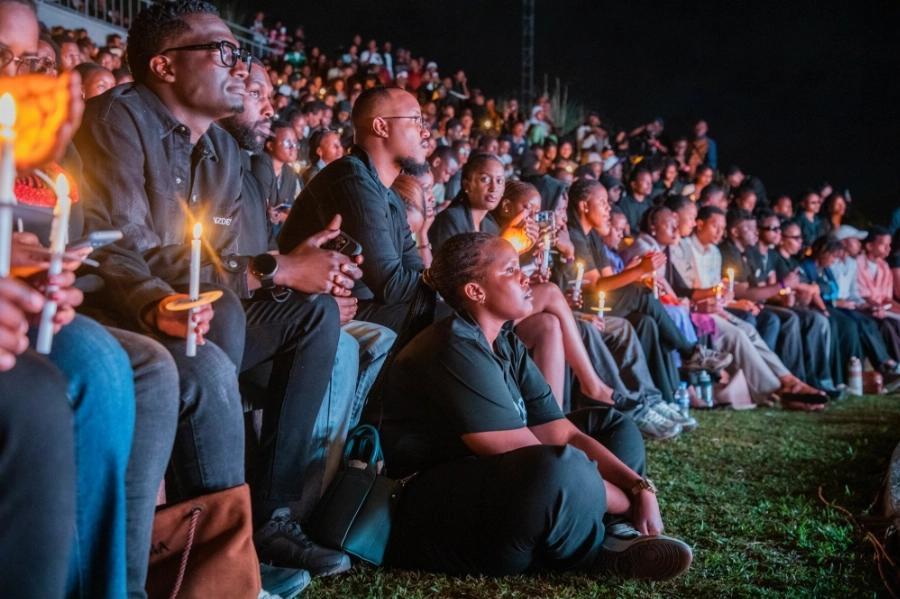
Mourners follow Issa Nsengiyumva’s testimony during the 15th edition of Our Past Initiative on Thursday, April 9. All photos by Craish Bahizi.
“We were targeted because of who we were,” he recalled, as he gave his testimony during the Our Past event held on April 9 as part of the commemoration of the 32nd anniversary of the Genocide against the Tutsi.
“Our neighbors included government soldiers. One day, my uncle was attacked with a grenade that destroyed his eye. They later accused my father and his younger brother of being behind it.”
Nsengiyumva, a survivor of the Genocide against the Tutsi, was born and raised in Kagarama sector, Kicukiro District.
Fearing for his life, Nsengiyumva’s father fled before the genocide began. Soon after, the family was forced to seek refuge at Kicukiro Catholic Parish, joining others in search of safety.
When the plane carrying former President Juvénal Habyarimana was shot down on April 6, 1994, the situation quickly deteriorated. A day later, under the direction of a priest, United Nations peacekeepers (UNAMIR) transported the refugees to ETO Kicukiro, a school compound believed to offer protection.
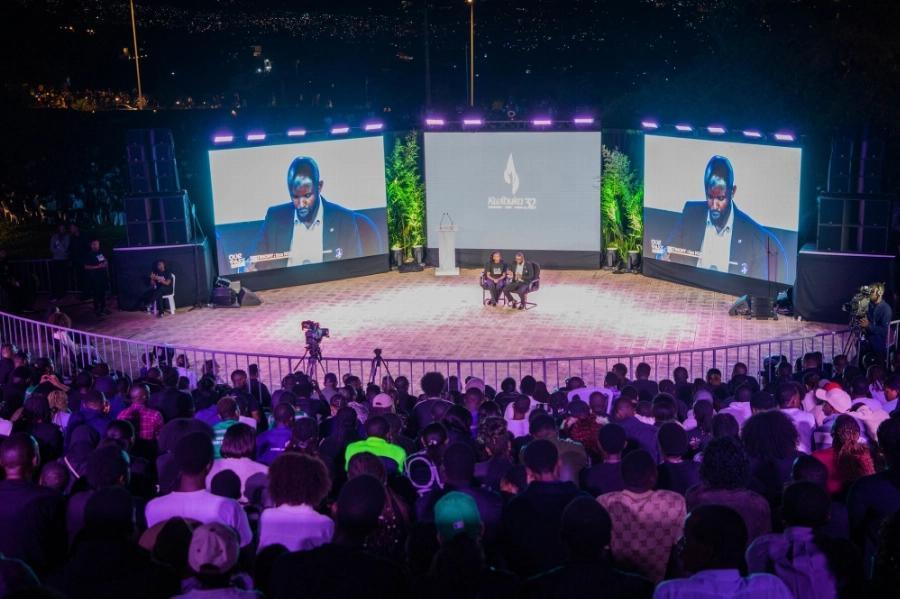
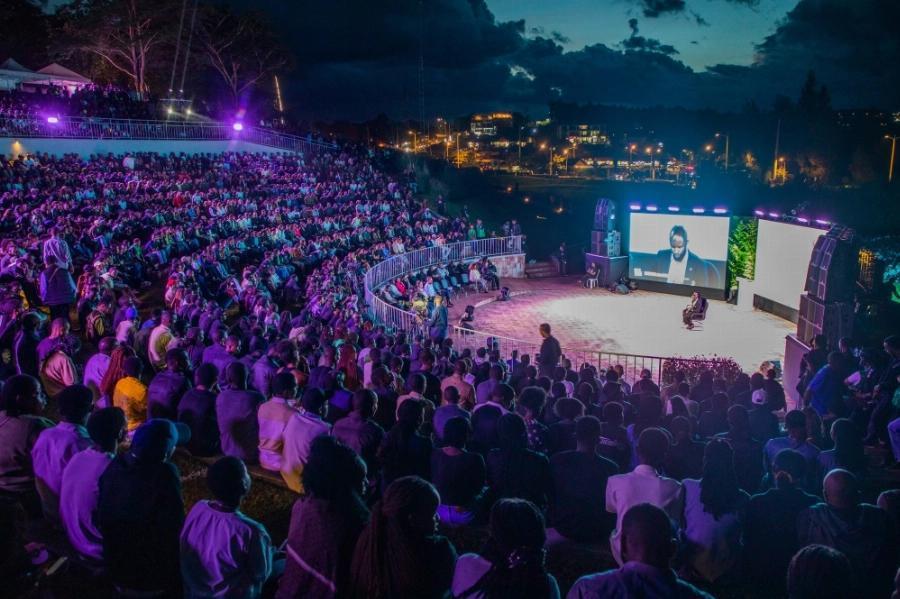
Thousands of mourners during the 15th edition of Our Past Initiative on Thursday, April 9. All photos by Craish Bahizi
But that their hope for safety at the technical school was short-lived as the forces that could protect them abandoned them there.
“On April 11, we saw the UN soldiers packing their bags,” Nsengiyumva said. “They told us to gather in the hall for food, but instead, they left us behind. That’s when everything changed.”
Shortly after the peacekeepers’ withdrawal, Interahamwe militia stormed the school compound. The refugees were rounded up and forced to march toward Nyanza, where many were slaughtered in what would become one of the most tragic massacres of the Genocide.
“They separated people along the way,” he recounted. “They said Hutus should step aside. I saw my mother carrying my younger sister, Mutesi, on her back. They killed her. My sister started crying. Then they began shooting at us and throwing grenades.”
In the chaotic situation, Nsengiyumva was separated from his parents.
“I jumped and ran. I ended up hiding with other survivors. We spent days and nights in hiding, coming out only at dawn to drink whatever water we could find,” he said.
Alongside an older boy named Pascal, Nsengiyumva decided to leave their hiding place in search of food.
“We thought we were going to die anyway,” he said.
Their journey led them through several dangerous zones before they encountered fighters of the Rwandan Patriotic Army (Inkotanyi), who rescued them.
“They gave us food and sugar. From there, they moved us through different locations—Rebero, Gishushu, Kabuye, and finally to Byumba,” he explained.
Nsengiyumva was later placed in an orphanage, having lost both parents during the Nyanza massacre. Later, an aunt who had survived the Genocide took him in, and together they returned to Kagarama to begin rebuilding their lives.
Today, he reflects on survival with a mix of grief and gratitude.
“We thank God for the strength given to Inkotanyi to rescue us,” he said. “If it wasn’t for them, I would have been among those buried in memorial sites.”
His message to youth and everyone is to “never allow genocide to happen again. Anything that divides people brings nothing good.”
For More News And Analysis About Rwanda Follow Africa-Press