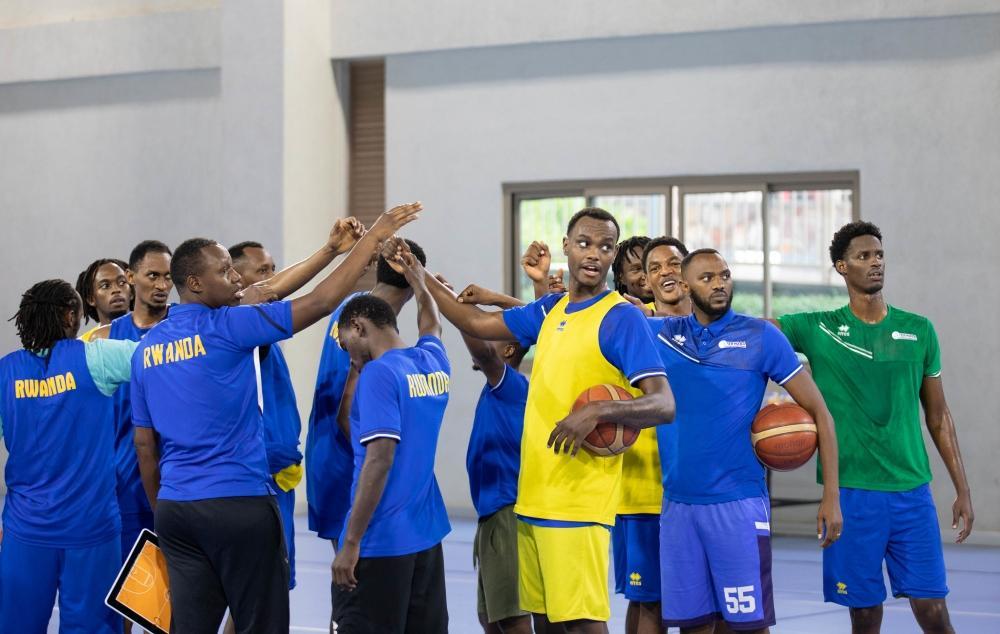
Africa-Press – Rwanda. Rwanda is one of the countries on the African continent that has made considerable investments in basketball, making it a center of the game in East and Central Africa.
With all the resources that the country invests in making Rwandan basketball competitive at the highest levels, that cause can not be helped when the more reliable top players turn down the invitation to play for the national.
Players snubbing national team call up is something that the federation must take seriously as the offence constitutes not just indiscipline but also a lack of commitment to the national cause, and patriotism.
Playing for the national team is not a matter of choice but a privilege, and any player(s) that don’t take national team commitment seriously without valid reasons needs to be held to account, one way or another.
Rwanda’s basketball rise over the past two decades has been steady and deliberate, powered by strong domestic investment, strategic coaching appointments, and a growing talent pool.
But the recent decision by top players to turn down national team call-ups threatens to undermine that progress—and FERWABA’s newly announced response, a potential one-year suspension from all basketball activities, signals just how seriously the federation views the issue.
The warning, issued during FERWABA’s General Assembly on December 6 follows the high-profile absences of national team regulars Ntore Habimana and William Robeyns during the FIBA World Cup 2027 Qualifiers – Window 1 in Tunisia.
Rwanda finished bottom of Group C without a single win, raising difficult questions about what might have been had the team fielded its full roster.
This is not uncharted territory, especially for Habimana — it was his second time withdrawing from national duty without injury concerns, having earlier skipped the 2023 Afrobasket qualifiers in Senegal.
Yet his on-court contributions when present cannot be overstated. In the February qualifiers, Habimana posted standout performances—12 points and seven rebounds against Senegal, 17 points and 12 assists against Cameroon, and 18 points against Gabon. These are numbers that change games.
And that raises an uncomfortable question: would Rwanda’s fortunes in Tunisia have been different had their key players answered the call?
While basketball remains a team sport, the absence of experienced, high-impact athletes inevitably leaves a void.
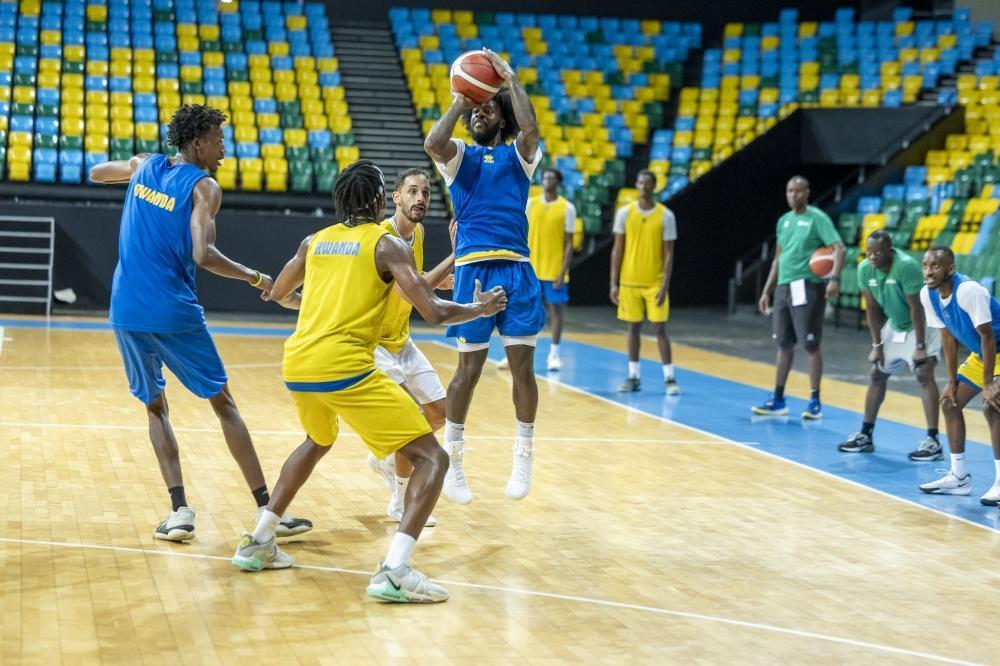
Rwanda’s struggles – lack of offensive rhythm, limited creativity in tight situations, and insufficient depth in key positions – were all areas where a player of Habimana’s versatility or Robeyns’ scoring ability could have made tangible differences. International qualifying windows are unforgiving, and Rwanda had to navigate them without some of its most trusted weapons, which is very unfortunate.
FERWABA’s new stance is therefore rooted in more than frustration. It is about accountability, professionalism, and protecting the integrity of the national programme. I wholly agree with the federation that club support and player patriotism must go hand in hand, especially in a country that has invested heavily to make basketball a top sport.
Rwanda hosts major continental events like the Basketball Africa League and has developed strong domestic teams such as APR, REG, and Patriots. Yet on the court, the senior men’s team has yet to translate that investment into consistent continental success.
For any national team, whether basketball or any other sport, to succeed, commitment must be ingrained. In other places, being called to represent one’s country is seen not as a choice but as an honour – and sometimes even a duty.
Rwanda cannot afford to normalize a trend in which national team invitations are negotiable, and personal reasons outweigh national aspirations. Never. It’s unacceptable.
Will the threat of a one-year suspension change player attitudes? It very well could or not, depending on the players’ professional ambitions.
A year sidelined from all (basketball) activities is a harsh penalty. It affects club careers, livelihoods, and professional momentum. Such a heavy deterrent may persuade players to prioritize national duty or at least communicate more transparently when unavailable.
It could also spark deeper dialogue between players, clubs, and the federation about scheduling, workloads, and support systems. It has to be an open and candid conversation between all parties, for, probably a player has genuine reasons for not answering the national call, but maybe fails in communication.
However, the long-term effectiveness of the policy will depend on FERWABA’s consistency. A punishment announced but not enforced loses meaning.
The federation must balance firmness with fairness, ensuring that legitimate reasons for absence are treated with empathy while unjustified refusals have consequences.
The country has already achieved historic milestones such as defeating Angola at AfroBasket 2021 and securing bronze at the 2023 FIBA AfroCan. Being a regular at Afrobasket, too, since 2007, cannot be taken for granted. Not every nation boosts of such a record.
With a full roster including the likes of Habimana, Robeyns, Axel Mpoyo, and Osborn Shema, among others, Rwanda is capable of challenging the continent’s elite.
But that potential is only realized when the country’s best players show up with pride and commitment. Rwanda’s ambition to become a continental force requires unity of purpose.
And if severe reprimands, including long suspension, is what it takes to restore that understanding, then FERWABA may indeed be taking a necessary step toward protecting Rwanda’s basketball future.
Investment alone cannot win games. Talent alone cannot build legacy. National duty must be embraced, not taken for granted.
For More News And Analysis About Rwanda Follow Africa-Press