Africa-Press – Seychelles. Many of us know a loved one, close friend or colleague living with Alzheimer’s disease. Indeed, we do not know if we might be one of its victims in the future.
September has been dedicated as World Alzheimer’s Month as a way to get individuals, groups, civil society, organisations and Alzheimer associations all around the world to spread the word and raise awareness about Alzheimer’s disease.
Every year on September 21, countries globally commemorate World Alzheimer’s Day. There are millions of people living with Alzheimer’s disease worldwide including here in Seychelles. With many people still believing that Alzheimer’s disease is a normal part of ageing it is even more important to increase people’s knowledge about this insidious disease.
The theme for this year’s World Alzheimer’s Day is ‘Never too early, never too late’, which focuses on the key risk factors and ways to reduce your risk as a way of delaying or possibly preventing the onset of dementia. Nevertheless, it also goes on to identify ways to further reduce the risk for those who already have a diagnosis and living with the disease.
What is Alzheimer’s disease?
Alzheimer’s disease is the most common form of dementia. It is a progressive disease that affects the parts of the brain that controls your thoughts, memory and language. It usually starts off with mild memory loss but then progresses to inability to have a conversation with others and being unable to respond appropriately with your environment. It eventually becomes severe enough to affect your ability to carry out your daily tasks on your own.
Risk factors of Alzheimer’s disease
Many people have a misconception that Alzheimer’s disease is a normal part of ageing. This is far from being true. While ageing is the most common risk factor for the disease, it is not a cause for the condition. In fact, most people living with this condition is above the age of 65. There is however a small number of individuals who have Alzheimer’s at an earlier age usually beginning around the age of 40, known as early- or young-onset Alzheimer’s.
Although a family history of the condition increases your risk, your environment plays a significant role in determining whether you go on to develop the disease later in life. There is evidence emerging about other risk factors now such as head injury, cardiovascular disease and lifestyle choices linked to cardiovascular disease itself and other non-communicable diseases. This includes smoking, consumption of highly processed foods that increases your risk of obesity. Other conditions like diabetes, high blood pressure and high blood cholesterol can also increase your risk of Alzheimer’s disease.
Symptoms and early signs of Alzheimer’s disease
There is no cure for Alzheimer and once symptoms start, it progressively worsens over time. The changes that are happening in your brain however can already begin many years before the first symptoms start to appear.
One of the common early signs of Alzheimer is difficulty to remember information that you have just learned. Aside from memory problems, as brain cells start to fail other symptoms gradually start to appear. There can be memory loss to the point that it affects daily life because you forget routine or familiar activities and places. This leads to confusion about places, activities, people and time. You may have trouble handling money or making sound judgement.
Other symptoms include disorientation, lack of trust in family, friends and health professionals providing care. There can be personality, mood and behaviour changes including aggression. Some people may also have trouble in making conversation, chewing, swallowing and with their mobility.
Diet for those with Alzheimer’s disease
There is no special diet for someone living with Alzheimer’s disease but the food you provide should be nutritious and familiar to improve intake. The meals you provide can help improve symptoms and maintain a healthy weight.
Try to diversify the diet by providing a variety of healthy foods like fruits, vegetables, wholegrains such as oats and corn, local starches like breadfruit and sweet potatoes, fish, eggs, chicken, lean meat, lentils, beans, milk products and healthy fats like olive oil. You should also ensure adequate hydration by drinking water.
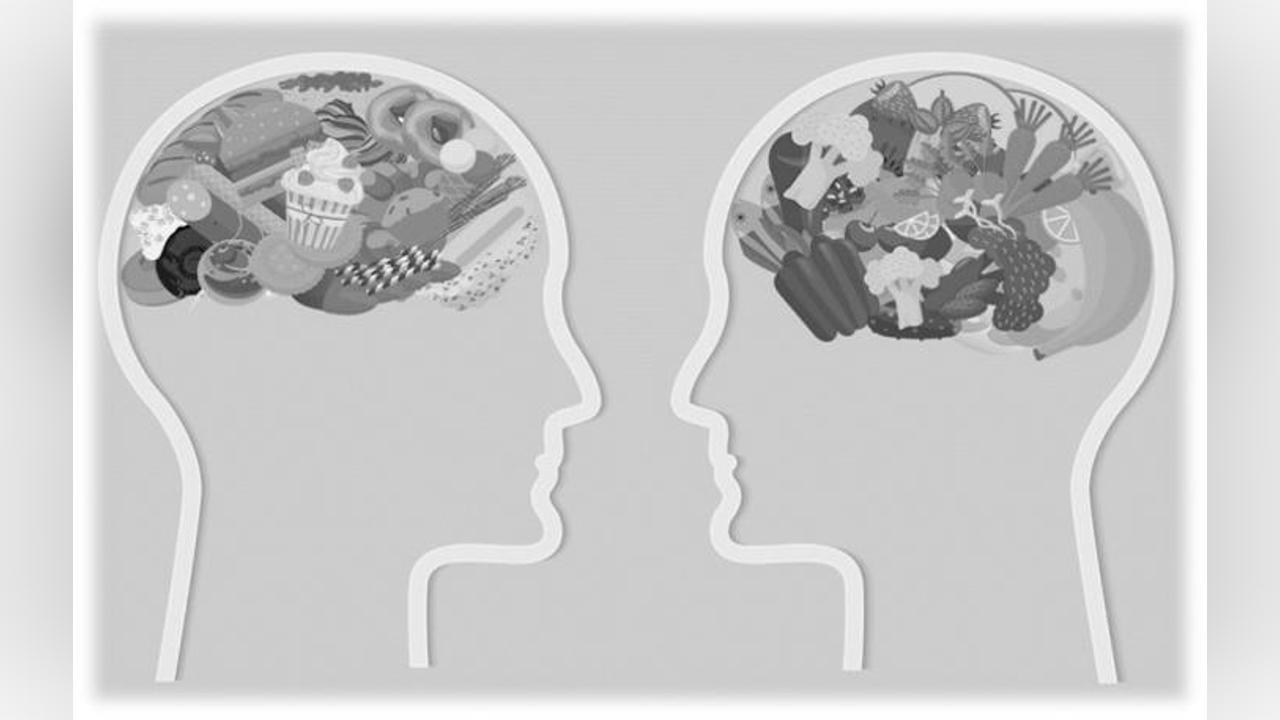
You should also limit your intake of highly processed foods that are high in saturated fats, sugar and salt like luncheon meat, corned beef, soft drinks, juices, chips, biscuits, pastries, sweets, chocolate, instant noodles and ready-made sauces.
Preventing Alzheimer’s disease
Although there is no diet that can prevent someone from getting Alzheimer’s disease, there is evidence that what is known as the MIND (Mediterranean-DASH (dietary approaches to stop hypertension) Intervention for Neurodegenerative Delay) diet which incorporates recommendations from both the Mediterranean and DASH diets can help reduce a person’s risk of developing dementia later on in life.
The MIND diet basically focuses on predominantly plant-based foods with nutrients that have been linked to improved brain function and dementia prevention. The weekly recommendations from the MIND diet includes intake of green leafy vegetables like watercress, kale, spinach; other vegetables; berries; wholegrains, fish; poultry, beans; nuts and olive oil. It also recommends that you limit your intake of red meat, cheese, butter and try to avoid fast and deep-fried foods as well as sugary foods.
This recommendation is closely aligned to the same recommendations made in promoting a healthy and nutritious diet to the population and is found in our local food-based dietary guidelines. A copy of the guidelines can be downloaded from the Ministry of Health website if you would like further information.
Aside from a healthy diet, other lifestyle behaviours should also be revisited. This includes stopping smoking, abstaining from alcohol, reducing sedentary behaviours and being more physically active. Other approaches like maintaining a healthy blood pressure has also been linked with reducing a person’s risk of having Alzheimer’s disease.
Thank you for joining us this week on our Eat for Our Health page. Look us up on social media – Eat for Our Health Seychelles on Facebook.
Please get in touch by emailing [email protected] and let us know how you’re doing with these ideas, or better still, let us know how we can help you.
For More News And Analysis About Seychelles Follow Africa-Press