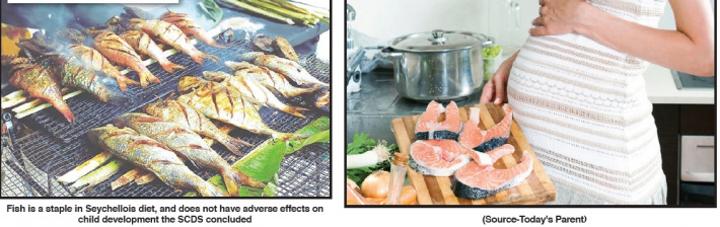
Africa-Press – Seychelles. A new scientific study by the UK’s University of Bristol has concluded that mercury levels during pregnancy are unlikely to have any adverse effects on the development of the child, provided that the mother consumes fish.
The findings confirm that of a research study conducted in the Seychelles in 1985, which concluded that there is no “clear evidence of abnormal or delayed development in children as a result of their mother’s consumption of fish during pregnancy”.
The Seychelles Child Development Study (SCDS) involving the Seychelles’ Ministry of Health and of Education, in partnership with the University of Ulster in Ireland, and the University of Rochester in the United States, began in the mid-1980s with two main aims – evaluating the development of children in Seychelles, and finding out if the low levels of mercury in the fish diet during pregnancy can have an effect on the development of the child.
The SCDS has shown that despite the fact that the level of fish consumption in Seychelles is much greater than most other nations and cultures around the globe, at an average of eight fish-based meals per week, Seychellois children have a normal range of development when compared to children in developed countries.
The University of Bristol’s study which was officially published in the NeuroToxicology journal last week, considered two contrasting studies, including the SCDS, and analysis from the University’s Children of the 90s study, where fish is consumed far less frequently.
Although it has been known for years that children of women who eat fish in pregnancy are likely to benefit, for instance with regard to their eyesight and intellectual abilities, official nutritional guidance in numerous countries included the warning to not eat certain types of fish that have relatively high levels of mercury.
Importantly, the researchers found that it does not appear to matter which types of fish are eaten because the essential nutrients in the fish could be protective against the mercury content of the fish. More important is whether the woman consumes fish or not.
Professor Jean Golding, co-author and Emeritus Professor of Paediatric and Perinatal Epidemiology at the University of Bristol, said it is important that advisories from health professionals revise their advice warning against eating certain species of fish.
“There is no evidence of harm from these fish, but there is evidence from different countries that such advice can cause confusion in pregnant women. The guidance for pregnancy should highlight ‘Eat at least two portions of fish a week, one of which should be oily’ – and omit all warnings that certain fish should not be eaten.”
For More News And Analysis About Seychelles Follow Africa-Press