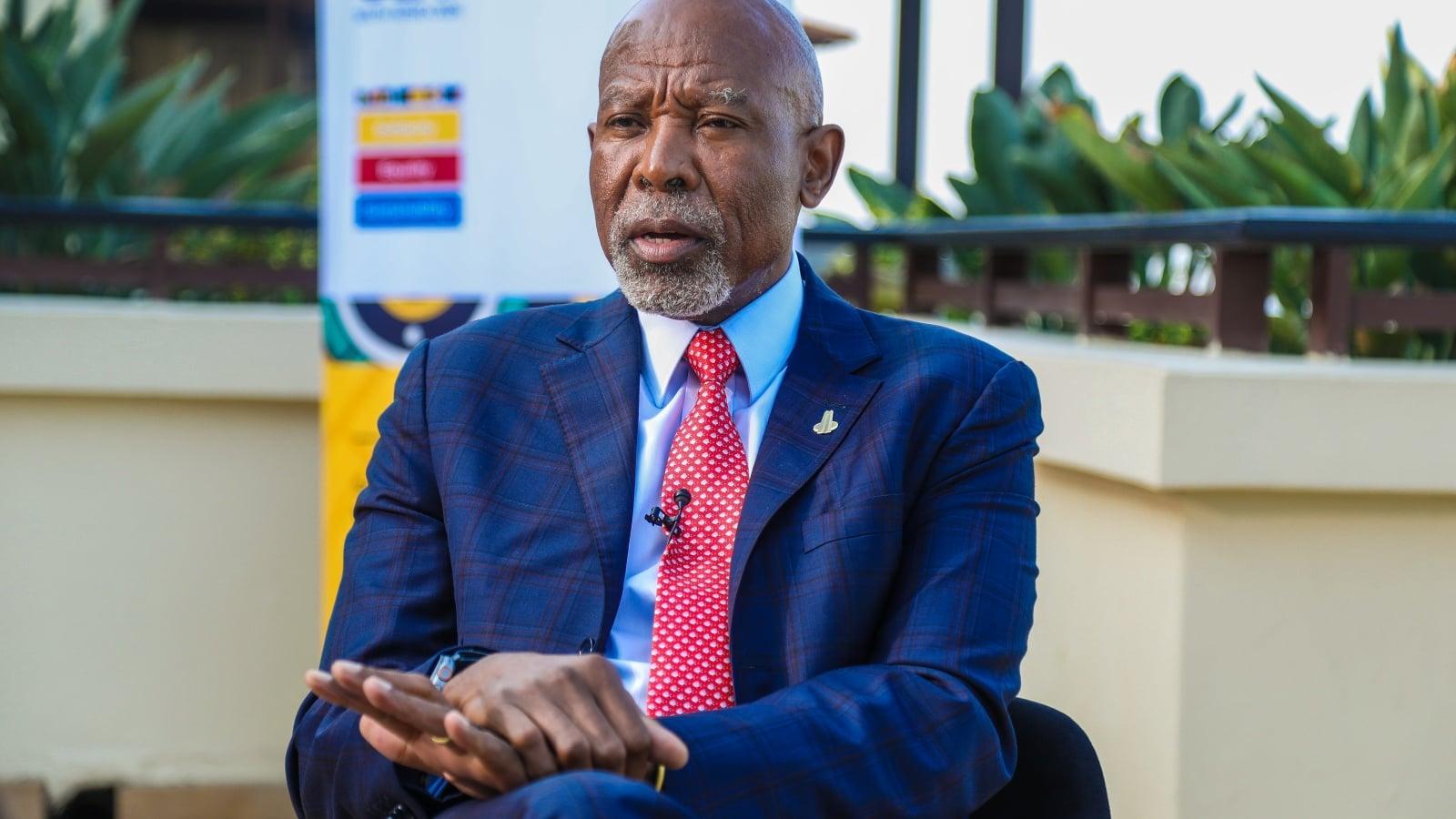
Africa-Press – South-Africa. Reserve Bank Governor Lesetja Kganyago referenced an 1879 battle in the Anglo-Zulu war in his views on how to tackle the coming wave on inflation from the Iran war shocks, implying a preference to raise interest rates sooner rather than later.
“The policy response should be to make sure that the shock becomes transitory rather than becomes persistent,” Kganyago said on an International Institute of Finance panel in Washington on Wednesday.
He used the analogy of the battle of Rorke’s Drift, where about 150 British soldiers held off thousands of Zulu warriors.
At the time, a British commander told his troops to “take aim at your enemy, my boy, wait until you see the whites of his eyes, and then pull the trigger,” Kganyago said.
“We do not have that luxury of waiting until we see the whites of inflation’s eyes,” he said. “By the time you decide to act, it might be too late.”
Kganyago pointed to the last inflation shock that followed the pandemic and Russia’s invasion of Ukraine: “Central banks that responded late ended up having to respond more aggressively.”
Consumer inflation in South Africa slowed to 3% in February — hitting the central bank’s target — from 3.5% in the previous month.
That slowdown came before the government raised gasoline prices by the most in two decades, with fears of more to come as the conflict in the Persian Gulf remains unresolved.
Kganyago said last month that higher energy costs may lift inflation to 4% in the near term, while fuel-price growth may accelerate to more than 18%.
The monetary policy committee left its benchmark interest rate at 6.75% when it met last month to weigh the impact of the Iran war on the bank’s inflation target, as well as other headwinds from geopolitical risks and heightened uncertainty. It warned that policy tightening may be necessary if the conflict drags on.
For More News And Analysis About South-Africa Follow Africa-Press