Africa-Press – South-Africa. Inefficiencies in South Africa’s freight and logistics network cost the country an estimated R1 billion every single day. Now, the government hopes a change in railway ownership will turn this around.
Private participation in South Africa’s railway network is also expected to bring about improved efficiency and greater investment in the country’s logistics sector.
President Cyril Ramaphosa outlined the economic cost of railway inefficiencies in his opening address at the country’s inaugural Transport Conference on 16 March 2026.
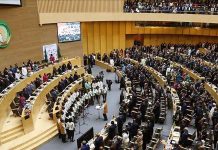
Held over three days, the conference brought together over 1,500 delegates with the aim of establishing a roadmap for the future of South Africa’s various transport sectors.
In his opening address, Ramaphosa explained that almost 70% of all freight in South Africa travels by road.
“This places immense strain on our road network and contributes to poor road safety,” Ramaphosa said. “Inefficiencies in logistics are estimated to cost our economy close to R1 billion a day.”
These inefficiencies could be mitigated through investment in the country’s railway network, which has been underdeveloped for decades.
Former Transport Minister Fikile Mbalula pointed to policies such as the De Villiers Report of 1986 as being responsible for the downfall of South Africa’s railways.
During the mid-1980s, South Africa had one of the most extensive and efficient rail networks in the developing world.
De Villiers’ report called for a deregulation of the country’s goods transport market, with rail operators shifting away from being public service providers towards commercial enterprises.
This caused much of the country’s high-value freight to shift away from railways and towards trucking, which was less regulated and more competitive.
As a result, steep declines in rail freight revenue made it untenable to maintain the country’s railway infrastructure, leading to rapid deterioration, which further deterred rail freight.
This was compounded by other policy issues, such as operational difficulties arising from the separation of the country’s passenger rail and goods transport rail networks.
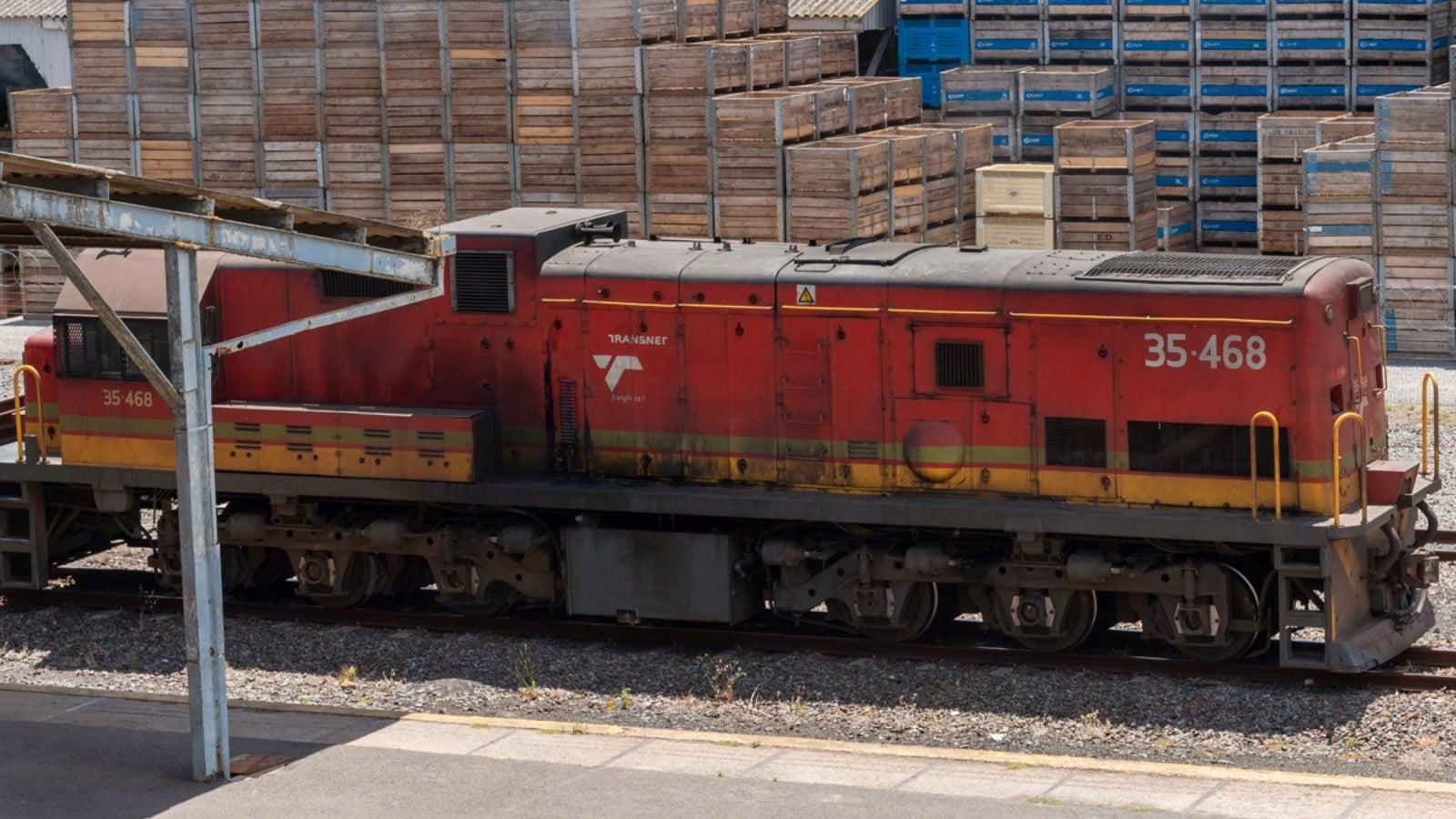
Transnet and the Passenger Rail Agency of South Africa (PRASA) share some infrastructure, yet they reported to different departments until just two years ago.
Transnet formerly reported to the Department of Public Enterprises until its dissolution, and was transferred to the Department of Transport in August 2024, to which PRASA also reports.
Restoring South Africa’s railways
Stellenbosch University Logistics Professor and Gain Group Director Jan Havenga
The South African government has made the restoration of the country’s railway network one of its top priorities in its recent policies.
The White Paper on National Rail Policy was adopted in March 2022, with the aim of completely restructuring the country’s rail market through key policy reforms.
The main aim of this policy is to encourage private investment in the rail industry, thereby increasing the sector’s competitiveness and improving operational efficiency.
This will also lead to job creation and economic growth within the sector, as well as better access to rail for people living in rural areas.
To better facilitate the practical implementation of the National Rail Policy, the Department of Transport has drafted the National Rail Masterplan (NRMP).
The NRMP transforms the National Rail Policy into a phased plan for revitalising the country’s freight and passenger rail over the coming decades.
South Africa’s Cabinet has approved the publication of the draft NRMP for public comment, which it says will position rail as the backbone of the country’s freight and logistics network.
Stellenbosch University Logistics Professor and Gain Group director Jan Havenga discussed the importance of the NRMP in an interview on 702.
“The Minister has made a lot of effort in making sure we arrange private sector access to the rail,” Havenga said. “But we now need to get the railway fixed. To do that, we need to have that split in ownership.”
“The ownership of the railways must get out of Transnet. The infrastructure of the railways should go to the Department of Transport as an agency in the same way SANRAL did.”
The President noted in his opening remarks at the Transport Conference that the first private operators on the national railway system will begin operating in April 2027.
Through these public-private partnerships, Ramaphosa said the country will aim to move 250 million tonnes of freight by rail before the end of the decade.
For More News And Analysis About South-Africa Follow Africa-Press