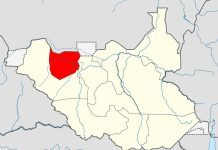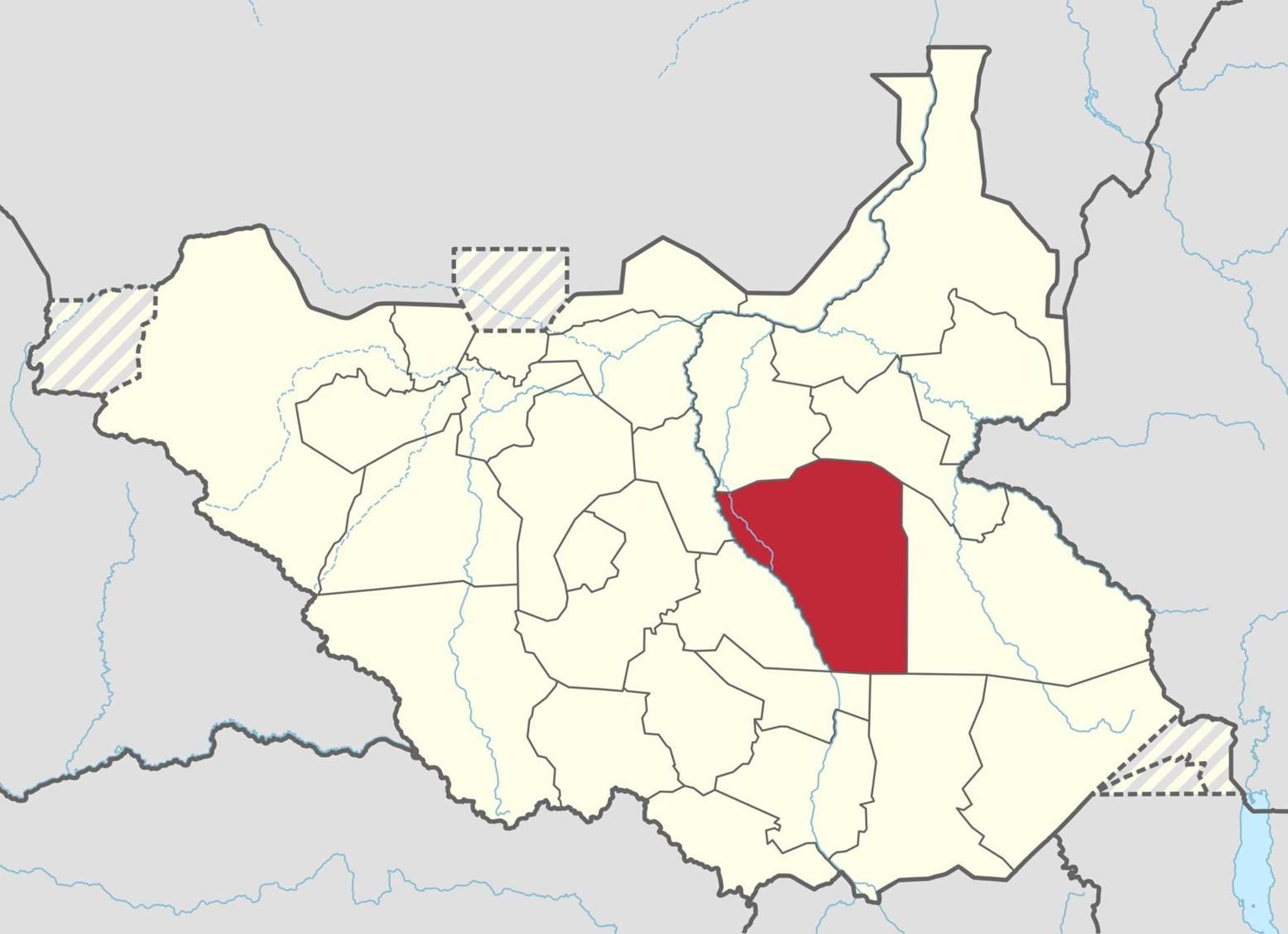
Africa-Press – South-Sudan. More than 60,000 residents of South Sudan’s Jonglei State have fled their homes amid growing fears of possible attacks by forces aligned with the Sudan People’s Liberation Army-in Opposition (SPLA-IO), according to a senior government official.
The mass displacement follows statements attributed to SPLA-IO forces operating in Akobo, Uror and Nyirol counties of Jonglei State, in which they allegedly declared intentions to march toward Juba to overthrow President Salva Kiir’s government and install First Vice President Riek Machar as head of state. The developments have heightened anxiety among civilians, prompting widespread movement away from perceived conflict zones.
On Monday, the Minister of Humanitarian Affairs and Disaster Management, Albino Akol Atak, held an emergency meeting with the United Nations Humanitarian Coordinator in South Sudan, Anita Kiki, to assess the unfolding humanitarian situation, particularly in Jonglei and neighbouring Unity State.
Speaking to the media after the meeting, Akol said the displacement was largely driven by fear fueled by incitement and misinformation circulating on social media platforms.
“The meeting centred on the number of people who have already moved. More than 60,000 people have reportedly been displaced, although these figures are still being verified,” Akol said.
He noted that many families have sought refuge within Jonglei State, especially in Duk County and surrounding areas, while others have crossed the Nile River from Bor to Mingkaman in Central Equatoria State. Akol warned that such movements pose significant humanitarian challenges.
“Where they actually move within Jonglei State, especially in Duk and other surrounding areas, and where we expect them to move further, some have already crossed the river to Mingkaman. Such movement worries us as humanitarians, and we must sit down and plan,” he said.
The minister reaffirmed the government’s commitment to supporting affected communities and coordinating with humanitarian partners to ensure timely assistance, including food, shelter and protection services.
For her part, UN Humanitarian Coordinator Anita Kiki reiterated the United Nations’ commitment to continue assisting vulnerable populations displaced by insecurity across the country. She emphasised the importance of coordination between the government and humanitarian actors.
“Our meeting was about how we can come together, understand the situation first, and then agree on what can be done to support affected people moving forward,” Kiki said.
However, Kiki cautioned that the humanitarian response is being constrained by severe funding shortages.
“I also took the opportunity to stress to the minister that we are in a challenging financial situation as a humanitarian community, and we will have to be very precise in what we do moving forward,” she added.
The displacement adds to South Sudan’s already fragile humanitarian landscape, where millions remain affected by conflict, flooding and economic hardship, underscoring the urgent need for calm, accurate information and sustained support for civilians.
For More News And Analysis About South-Sudan Follow Africa-Press