Africa-Press – South-Sudan. As the Tumaini Peace Initiative prepares to resume in Nairobi this month, civil society activists are urging that the talks be harmonized with the 2018 peace agreement, saying such a merger could unlock progress toward lasting peace and a democratic transition in South Sudan.
The call follows the handover of a Framework for Dialogue by retired Kenyan General Lazaro Sumbeiywo, Chief Facilitator of the Tumaini Initiative, to a Special Envoy of President Salva Kiir Mayardit in Nairobi.
The framework is intended to guide discussions toward a South Sudan National Consensus Charter for Peace and Democracy, aimed at resolving the country’s prolonged political deadlock.
The framework, dated late January, has also been presented to leaders of the SPLM-IO in Nairobi, opposition figures under the United Peoples’ Alliance (UPA), prominent civil society actors, and groups within the South Sudan Opposition Movements Alliance (SSOMA), including the National Salvation Front (NAS).
The South Sudan Council of Churches was briefed on the development and described it as a milestone, noting that the forthcoming dialogue marks a shift toward an inclusive, non-hierarchical, people-centered peace process focused on national ownership, collective problem-solving, and democratic transition.
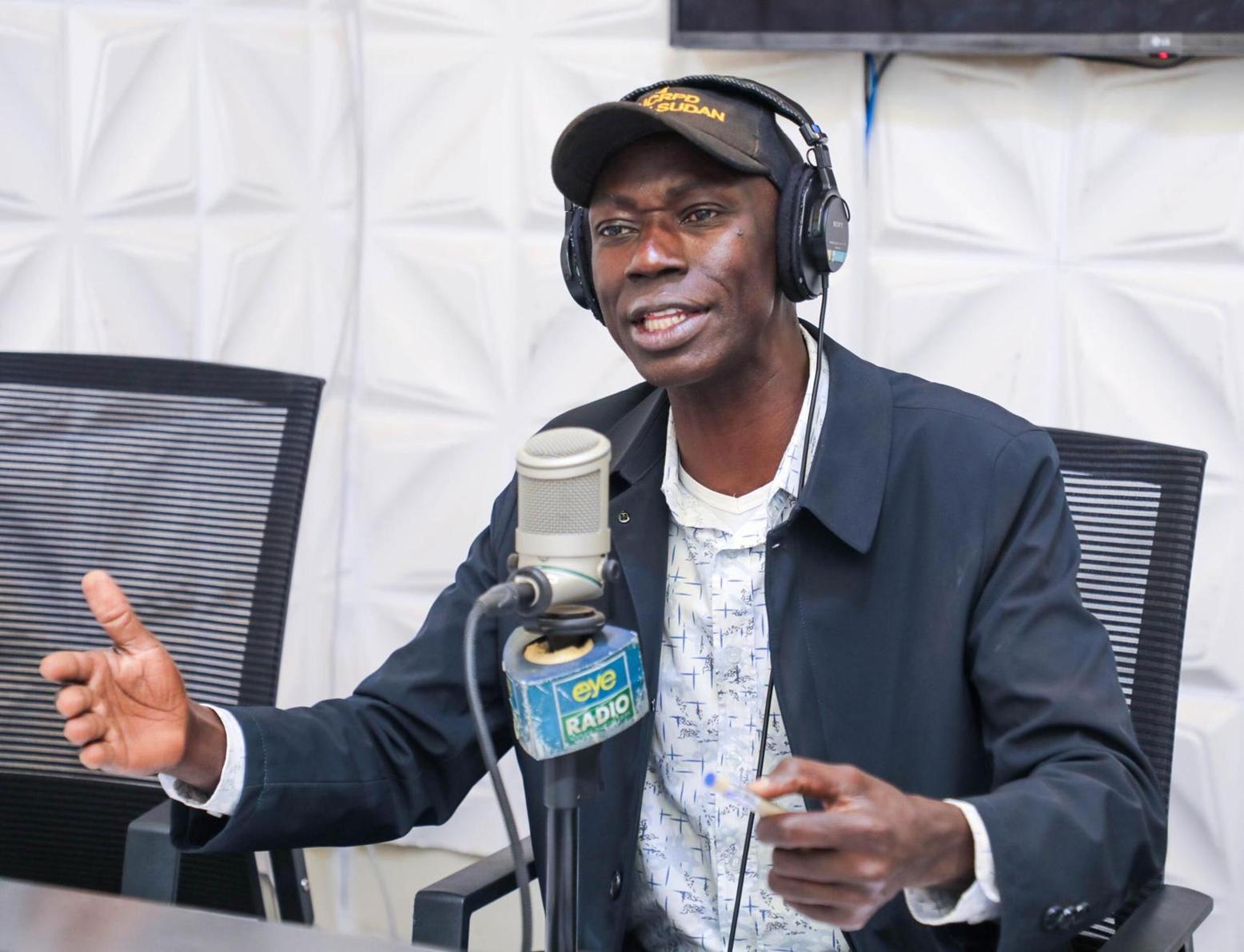
Reacting to the development, civil society activist Edmond Yakani emphasized that the Nairobi talks should not be confined solely to the Tumaini Initiative.
“I expect the talks in Nairobi should not be centered only on Tumaini,” Yakani told Eye Radio.
“I am advocating that this round of talks should be a merger between the Tumaini process and the R-ARCSS. Whatever the final product—whether a national consensus or charter—it should bring together all actors around R-ARCSS and Tumaini in one room to produce a single political framework that can end political splits and confrontations across the country.”
Bol Deng, another civil society activist from Jonglei State, echoed similar sentiments, saying the Tumaini proposals could help accelerate implementation of the revitalized peace agreement if parties commit to peaceful engagement.
“We feel the recent proposal is trying to make things easier for the stakeholders implementing R-ARCSS,” Deng said.
“That is why they are looking at how Tumaini and R-ARCSS can be merged. If parties agree to continue implementing the agreement without violence, then the Tumaini proposals will help to fast-track the peace process.”
Deng also called on political leaders to honor the peace agreement without further delays.
“R-ARCSS should be implemented without another extension because people have endured enough,” he said.
“South Sudanese are tired of violence and tired of hearing elections promised year after year. Violence helped us liberate ourselves, but it cannot be used to build democracy or development.”
Both activists urged political leaders to abandon violence and embrace dialogue, unity, and peaceful engagement as essential pillars for lasting stability, democratic progress, and credible elections in South Sudan.
Source: Eye Radio
For More News And Analysis About South-Sudan Follow Africa-Press