Africa-Press – South-Sudan. JUBA — The Community Empowerment for Progress Organization (CEPO) has called on the National Election Commission to take the lead in spearheading electoral reforms, arguing that the move is critical to ensuring credible and transparent elections in the country.
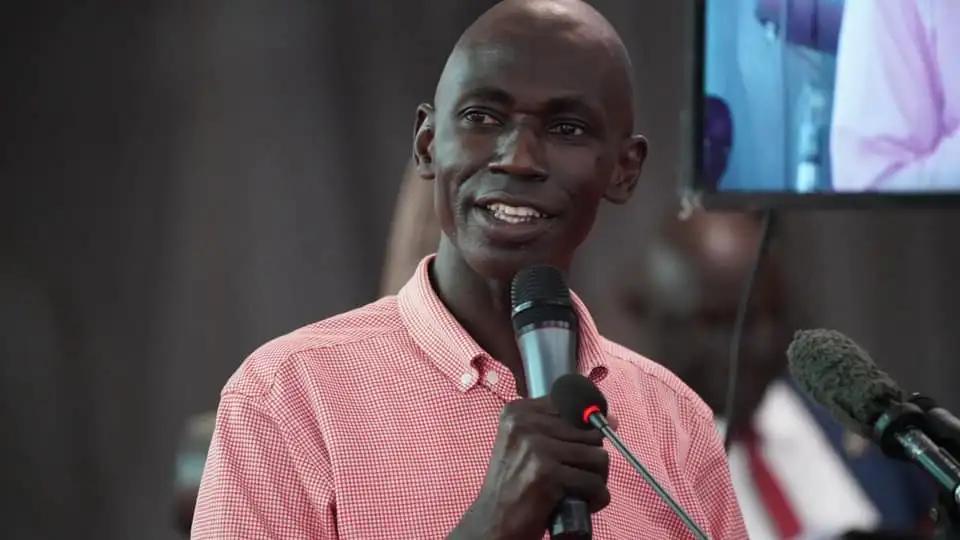
Edmund Yakani, executive director for CEPO, made the call following the cabinet’s approval of the 2026 amendment bill to the Revitalized Agreement on the Resolution of the Conflict in South Sudan.
The decision follows a Cabinet session chaired by President Salva Kiir Mayardit, during which ministers endorsed changes to provisions of the agreement to effectively clear the legal pathway for the national elections scheduled for December this year.
Ateny Wek Ateny, Minister of Information and Communication, was quoted on South Sudan Broadcasting Corporation as saying the approval paves the way for the amendment bill to be forwarded to the National Legislative Assembly for scrutiny and final approval before it becomes law.
“This time round, let political leaders not make amendments on behalf of the National Election Commission. The Commission must be allowed to propose the necessary legal changes that will enable them to conduct elections in December 2026,” Yakani told Sudans Post on Saturday.
Yakani warned that time is running out, highlighting key electoral deadlines:
“We are facing a serious deadline of 22nd June 2026 for the announcement of the final voters’ list and national readiness. By 30th June, the Political Parties Council must also submit the final list of eligible parties.”
Yakani pointed to two major risks threatening the electoral timeline—legal gaps and lack of funding:
“Even if the legal framework is fixed today without funding, elections will still face challenges. And even if funding is provided without fixing the law, the problem remains.”
He expressed concern over delays in financing the electoral body:
“The National Election Commission has repeatedly requested funding, yet resources are being allocated to other priorities. This is deeply concerning.”
While welcoming the Cabinet’s move to amend the peace agreement, Yakani stressed that the process must strictly follow the law and agreed procedures.
He noted that South Sudanese citizens are demanding elections in December 2026 without further delays, especially after leaders committed that the current transitional period would be the final extension.
Yakani reiterated that stakeholders support limited amendments aimed only at creating a conducive legal framework for elections—particularly by removing impractical preconditions such as the constitution-making process and the population census.
However, he warned against altering key provisions like Articles 8.2 and 8.3, which guarantee the supremacy of the agreement.
Calling for urgent and lawful action, he urged leaders to follow procedures under Article 8.4 and ensure consensus among all signatories.
“Amendments must strictly aim at enabling elections and should not tamper with Chapter 8 of the agreement, which is not directly related to elections.”
He concluded with a firm appeal:
“We urge our leaders to commit themselves to timely and adequate funding of the National Election Commission and to ensure elections are conducted as scheduled. Any attempt to delay through indirect means is unacceptable to the citizens.”
“The focus should be on enabling elections, not changing the core principles of the agreement.”
For More News And Analysis About South-Sudan Follow Africa-Press