Africa-Press – South-Sudan. The United Nations Human Rights Commission in South Sudan has warned that holding the first national elections in the country without political, security, and human rights guarantees could lead to a resurgence of armed conflict and an increased risk of committing “atrocious crimes,” rather than paving the way for a democratic transition.
The warning came in a document issued by the commission this week, stating that “the necessary political, security, and human rights guarantees for conducting a peaceful and credible vote are largely absent in South Sudan.”
The commission identified several intersecting risk factors: “the resurgence of armed conflict, weak institutions, entrenched impunity, exclusionary governance, corruption, shrinking civil space, and incitement rhetoric.”
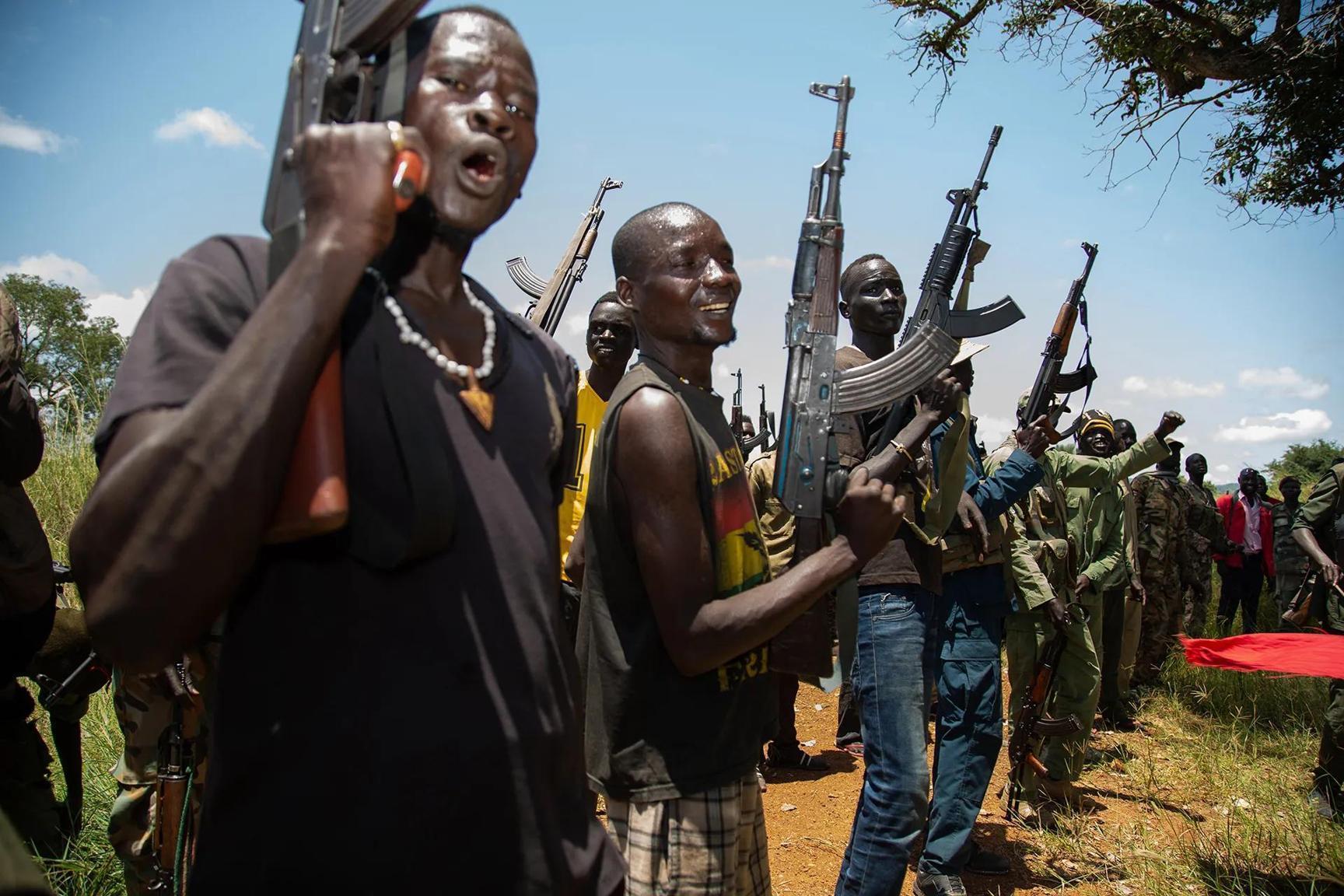
It noted the registration of 407 ceasefire violations between August 2025 and January 2026, and the return of fighting in the Upper Nile, Jonglei, Unity, Western Equatoria, and Central Equatoria states.
Regarding the implementation of the peace agreement signed in 2018 between the government and the opposition, the commission reported that 46.4% of the agreement’s provisions remain unimplemented, and that the government has not adhered to the sequence outlined in the agreement concerning security sector reform and constitutional reform.
The chair of the commission, Yasmin Sooka, stated in a statement from the Office of the High Commissioner for Human Rights that “the citizens of South Sudan have waited 15 years to cast their votes for the first time as citizens of an independent state, and they have the right to choose their government through free, peaceful, and democratic elections.” She added that the population deserves “elections that give them a voice, not elections that put their lives at risk.”
Commission member Barney Afako remarked that South Sudan is still in a transitional phase aimed at breaking cycles of violence and repression, warning that elections must not turn into a new battleground. Member Carlos Castresana Fernandez emphasized that elections are not credible merely because they are held on time, but when citizens can vote without fear, opponents can participate freely, courts adjudicate disputes independently, and institutions are constrained in exercising power.
Commission Recommendations
The commission called on the government and parties to immediately cease hostilities and restore transitional security arrangements, halt the mobilization of armed actors, and re-establish an inclusive political dialogue involving the SPLM, opposition groups, dissenting factions, civil society organizations, and representatives of women and youth.
It also demanded the release of detained opposition leaders, including Riek Machar, the former vice president, or their presentation to independent courts with guarantees of a fair trial, restoration of civil and political space, establishment of independent electoral institutions and fair dispute resolution mechanisms, protection of the participation of women, youth, persons with disabilities, internally displaced persons, and refugees, and prevention of hate speech and incitement to violence.
Authorities in South Sudan announced on June 22, 2026, that December 22, 2026, would be the date for the first general elections since independence in 2011, following repeated delays. The election has been postponed twice, in 2022 and 2024.
Last year, the opposition leader Riek Machar was suspended from his position as first vice president after being charged with treason, and he is currently under house arrest in Juba. Authorities have not clarified whether he will be legally allowed to run for the presidency given the charges against him.
The civil war between President Salva Kiir Mayardit and Riek Machar from 2013 to 2018 resulted in the deaths of approximately 400,000 people. The commission stated that the current trajectory remains amendable, but emphasized the urgent need for an inclusive political dialogue and the implementation of the peace agreement.