

What You Need to Know
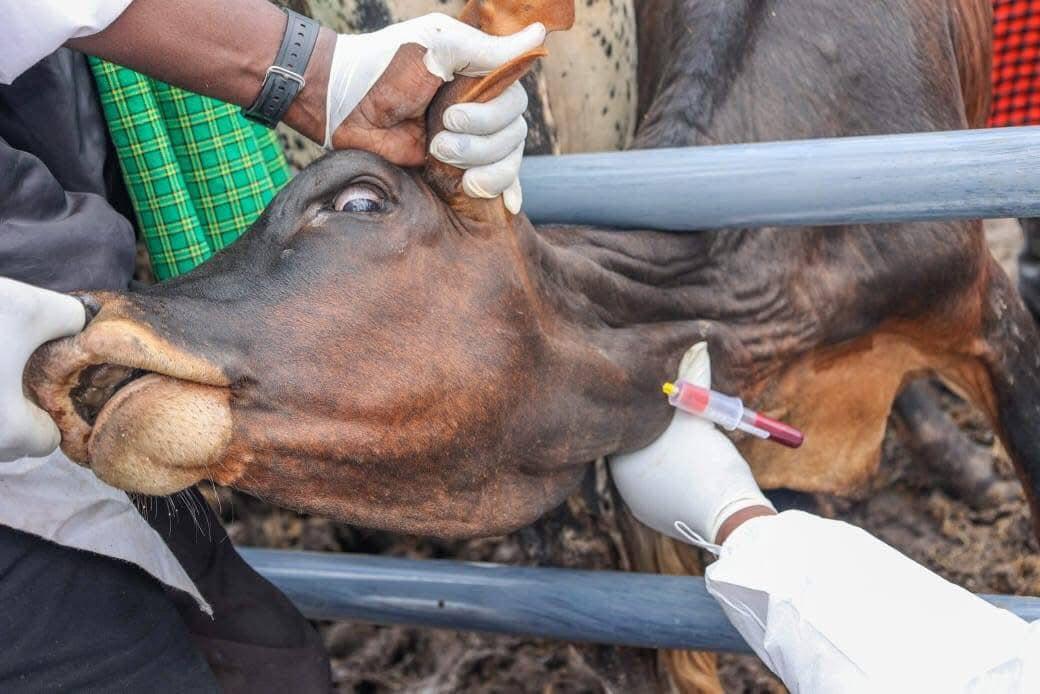
Tanzania’s Livestock Vaccination and Identification Programme has achieved 64.5% completion nationwide. The government plans to allocate 30.8 billion Tanzanian Shillings for the second phase in the upcoming financial year. This initiative aims to vaccinate millions of livestock, demonstrating the government’s commitment to controlling diseases and improving the livestock sector.
Africa-Press – Tanzania. THE Livestock Vaccination and Identification Programme has reached 64.5 per cent nationwide, with the government planning to spend 30.8bn/- for the second phase in the next financial year.
Deputy Minister for Livestock and Fisheries, Ng’wasi Kamani, said this in Dodoma yesterday, noting that the government recognises the importance of vaccination in controlling livestock diseases.
She was responding to a question from Special Seats MP Maririta Kivunge’s question, asked on her behalf by Silvia Sigula.
The Deputy Minister said the ongoing five-year programme (2024/2025– 2028/2029), valued at 216bn/-, demonstrates the government’s commitment to improving the sector.
She added that in the 2024/2025 budget, 61.2bn/- was allocated for the nationwide vaccination targeting 19 million cattle, 17 million goats and sheep, and 40 million indigenous chickens.
As of March this year, vaccination coverage had reached 64.5 per cent nationwide.
The Livestock Vaccination and Identification Programme is part of Tanzania’s broader strategy to enhance agricultural productivity and animal health. Launched as a five-year initiative, it aims to vaccinate millions of livestock, including cattle, goats, sheep, and chickens, to mitigate the impact of diseases that threaten food security and farmers’ livelihoods. The government’s investment reflects its recognition of the livestock sector’s significance in the economy and rural development, as well as its commitment to sustainable agricultural practices.