

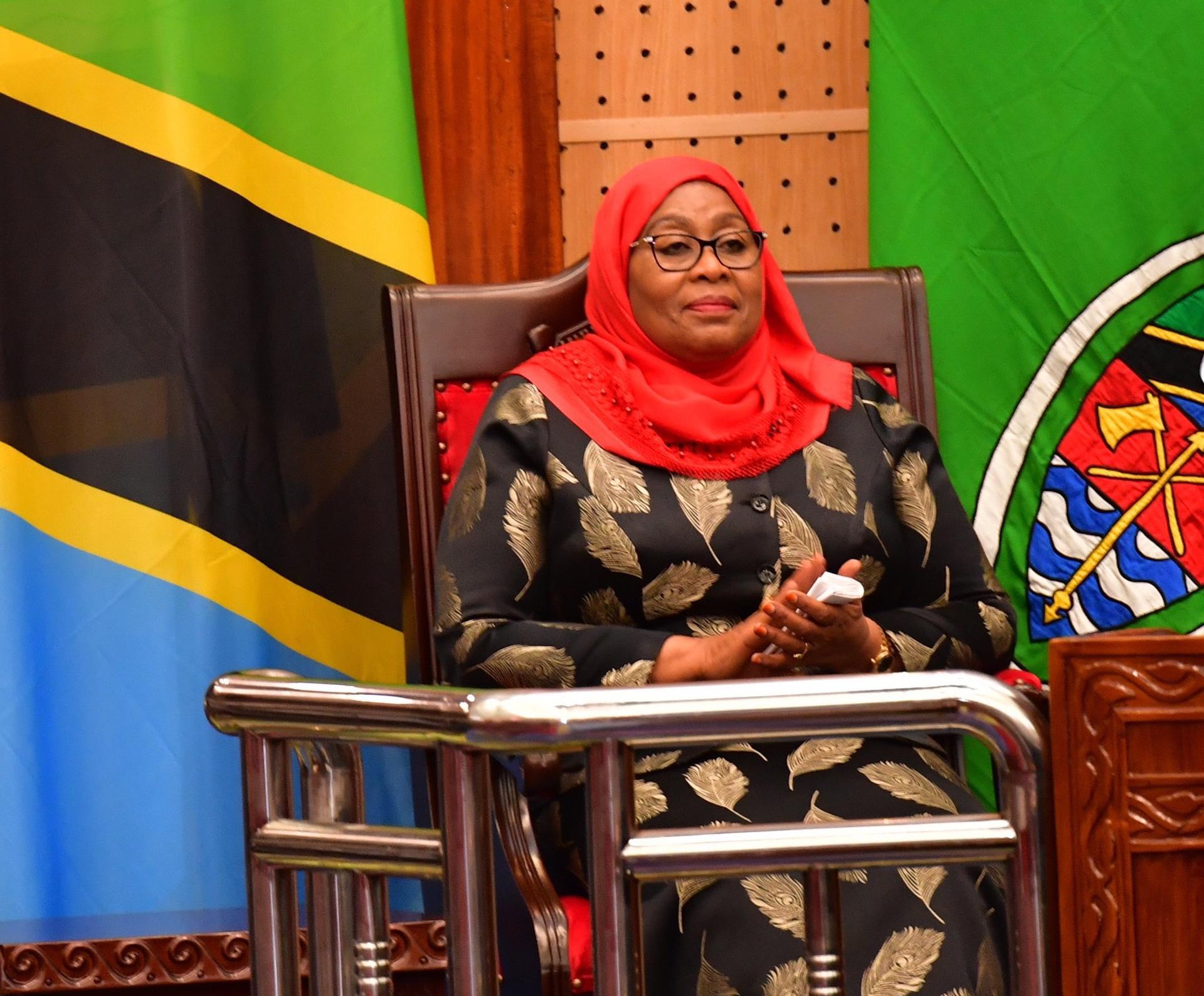
Africa-Press – Tanzania. YESTERDAY, the media was awash with President Samia Suluhu Hassan interview with Salim Kikeke of BBC Swahili programe, where various issues were discussed and still going viral in the social media. One thing that drew attention of the public and worth shedding light on was court cases.
Most of us have expressed opinions on court decisions – sometimes we think a sentence for a criminal conviction was too lenient or too harsh; sometimes we think an injured person should have got more compensation or was given too much. But we rarely hear anyone say that a court’s decision should be respected.
This being a delicate thing to expound, the rule of law only works if we respect our courts enough to let them settle disputes according to the laws, rules and practices that have been created by our democratically elected representatives.
If we don’t trust our courts to do that and instead start polarizing cases, people could choose other means, such as violence, to settle disputes and this is not Tanzania, Mwalimu Julius Nyerere and past heads of state left behind.
The rule of law also requires that governments respect the courts, that is why President Samia steered away from interfering with court case against the CHADEMA Chairman. If governments don’t respect the courts’ decisions, we could see elected officials or government staff telling employees to do things that are illegal.
If such actions expand, our democracy starts to fall apart. Respect for our courts, then, is an essential component of our way of life – our safety, our freedom and our security.
If that respect is weakened or lost, we should all be worried. We should reach a point of accepting that courts are independent entities and regarded as playing an important role in protecting and enforcing the rights of individuals. These institutions are equally, important because they help protect our constitutional rights to equal protection and due process under the law.
For that matter, courts are an impartial forum, and judges are free to apply the law without regard to the states wishes or the weight of public opinion, but in line with human rights.
Court decisions are based on what the law says and what the evidence proves; there is no place in the courts for suspicion, bias or favouritism.
The procedures and decisions must be accessible and transparent and apply on Human Rights. Courts exist to do justice, to guarantee liberty, to enhance social order, to resolve disputes, to maintain the rule of law, to provide for equal protection to all regardless of background and to ensure the due process of law.