
What You Need to Know
Political analysts in Tanzania are optimistic about the upcoming inquiry report, which aims to uncover the causes of the October 29, 2025 incidents. They believe the findings will promote accountability, strengthen national unity, and provide a roadmap for peace and stability in the country. The report is expected to be submitted to President Samia Suluhu Hassan soon.
Africa-Press – Tanzania. POLITICAL analysts and academicians have expressed optimism over the forthcoming report of the commission of inquiry, saying it is likely to uncover the root causes of the October 29, 2025 incidents and provide a vital learning opportunity to strengthen national unity and develop strategies for safeguarding peace.
They believe the report will play a critical role in addressing past events, promoting accountability and guiding Tanzania towards unity, stability and sustainable peace.
The analysts expect the report to present clear and accurate findings that will not only explain what transpired, but also offer a roadmap for correcting mistakes and rebuilding national cohesion.
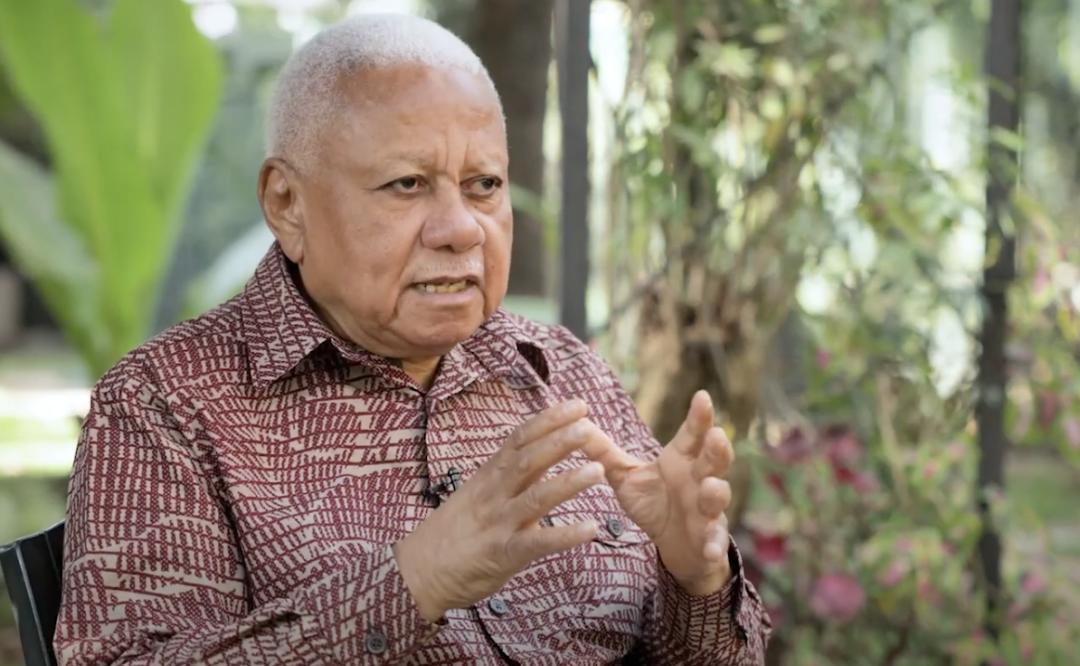
The commission chaired by retired Chief Justice Mohammed Chande Othman is scheduled to submit its report early next month to President Samia Suluhu Hassan.
In an exclusive interview with the Sunday News, Dar es Salaam Tumaini University Assistant Lecturer, Ms Rachel Yusuph, said the public expects a credible and professionally conducted process, given the expertise involved in the inquiry.S
he said the report will be a turning point for the country.
“The report will help the country to move forward by strengthening unity and ensuring such incidents do not happen again,” she said.
Ms Yusuph added that the report is expected to emphasise peace as the foundation of development and reinforce the importance of patriotism, tolerance and collective responsibility in maintaining national stability.
She also said that the findings will help to address misuse of political influence and recommend measures to curb misinformation, particularly on digital platforms where false narratives can undermine unity.
According to her, the findings will stress the importance of empowering citizens, especially the youth, with skills to identify and challenge disinformation, while encouraging institutions to actively verify and correct misleading information.
On governance, she said the report is expected to enhance accountability within state institutions, noting that transparency and responsiveness will help restore public trust and confidence in leadership.
Political analyst Mr Hamiduni Maliseli said the commission’s report is expected to restore citizens’ confidence and strengthen national tranquillity through reconciliation efforts.
He noted that the report will help uncover the truth behind the electoral incidents and lay a foundation for national dialogue on peace.
“The commission will reveal the truth to both the President and the citizens. Its formation is timely, considering that the country’s state of peace has significantly improved compared to the period immediately after the incidents, when emotions were still high,” he said.
He added that the commission brings hope as it will enable the nation to understand the truth and determine the way forward. “We are optimistic that it will pave the way for reconciliation,” he said.
Mr Maliseli noted that the findings will guide reconciliation efforts aimed at achieving national consensus and safeguarding the country’s peace, stressing that only truth can secure public confidence and support for peace interventions.
On his part, Dr Paul Loisulie from the University of Dodoma said he expects a comprehensive, evidence-based report that clearly explains the causes of the October 29 events.
He said such a report would provide a scientific account of what happened, helping to address speculation and conflicting narratives.
According to him, public reactions may be mixed, with some remaining sceptical while others express confidence in the findings.
However, he stressed that the report remains a crucial step towards dialogue, reconciliation and national progress.
Tanzania has faced various political challenges, particularly surrounding electoral incidents that have tested its national unity and peace. The formation of the commission of inquiry, chaired by retired Chief Justice Mohammed Chande Othman, is a response to these challenges, aiming to address past grievances and foster reconciliation. The commission’s findings are anticipated to play a crucial role in shaping the country’s political landscape and restoring public trust in governance.
Historically, Tanzania has prioritized peace and stability, but recent events have raised concerns about political influence and misinformation. The inquiry seeks to provide clarity on these issues, offering,