

Africa-Press – Tanzania. THE Judiciary of Tanzania has successfully determined a total of 87,116 cases, which is equivalent to 98.7 per cent of 88,232 cases registered at all levels of courts in the country between January and May, 2021.
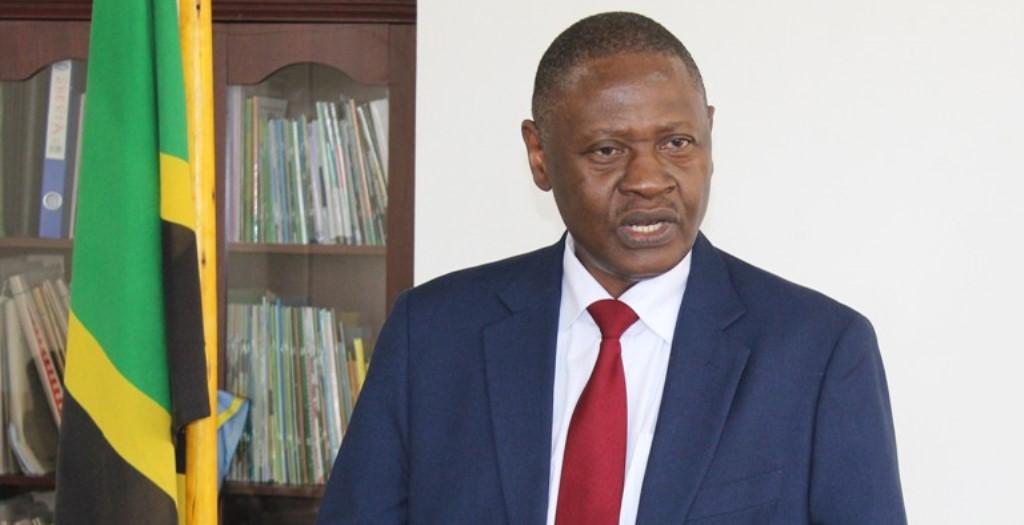
This was disclosed by Chief Justice, Prof Ibrahim Juma when speaking at a meeting recently, which brought together members of the Judicial Service Commission and staff of the High Court of Tanzania, Mbeya Zone.
Prof Juma commended all judicial officers for their excellent performance following the successful hearing of cases.
The Chief Justice, who is also the Chairman of the Commission, said that all High Courts in the country have successfully managed to complete the determination of cases by 98 per cent.
According to a statement issued yesterday by the Information and Communication Unit of the Judiciary of Tanzania, Prof Juma referred to some data contained in the report of the Chief Registrar of the Judiciary of Tanzania, which shows that a total of 5,875 cases were registered between January and May, 2021 and that 5,848 cases were heard and concluded in all zones of the High Court in the country during that period.
Regarding Resident Magistrate Courts, the Chief Justice stated that a total of 3,650 cases were filed between January and May, 2021 where 4,320 cases were heard and concluded, equivalent to 118 per cent. He said that there has been a reduction of the backlog of cases by 18 per cent.
Prof Juma explained that the District Courts have managed to complete 96 per cent of the cases, which were registered between January and May 2021. He noted that a total of 15,598 cases out of 16,067 registered during the period in question were heard.
In addition, all Primary Courts have been able to handle 98 per cent of a total of 61,005 cases out of 61,931 registered in various parts of the country, according to the Chief Justice.
On part of Juvenile Courts, Prof Juma said that 100 per cent of all registered cases between January and May 2021 have been finalised. A total of 332 children related cases were heard and concluded, while the number of registered cases during such period was 329.
The Chief Justice explained that despite the great success achieved by the Judiciary in the hearing of the cases, the one of three pillars of state was still facing the challenge of not properly using the mediation mechanism in resolving various disputes in the community.
He said that the country’s constitution emphasises the use of mediation mechanism as a method of alternative resolution of cases and if used properly, it would help reduce the number of cases filed in courts.
Prof Juma cited another challenge as the failure of filing inventory on inheritance related proceedings filed in courts. He said that out of 31,461 cases filed in the country, 28,130 have not been concluded so far, a situation that led administrators of estates continuing to benefit from the deceased’s assets.
Members of the Commission continue with their visits to Mbeya and Songwe regions with the aim of publicising it and educating members of the Regional and District Ethics Committees as well as Judicial stakeholders.
The Judicial Service Commission is established in accordance with Article 112 (1) of the Constitution of the United Republic of Tanzania of 1977 read together with the Judiciary Administration Act No. 4 of 2011. It was established for the purpose of overseeing the key issues pertaining to the Judiciary.
Some of the functions of the Commission include advising the President of the United Republic of Tanzania on the appointment of High Court Judges, disciplinary matters, salaries and interests of Judges, advising on the employment of magistrates and overseeing their discipline.
The members of the Commission include the Chief Justice of Tanzania (Chairman), the Attorney General, one Judge of the Court of Appeal appointed by the President, the Principal Judge of the High Court of Tanzania and two other members appointed by the President.