
Africa-Press – Tanzania. THE number of patients seeking health treatments abroad continues to drastically drop, from 682 in 2015 to 42 patients last year, an equivalent to 94 per cent decrease, thanks to substantial investments in the health sector by the government.
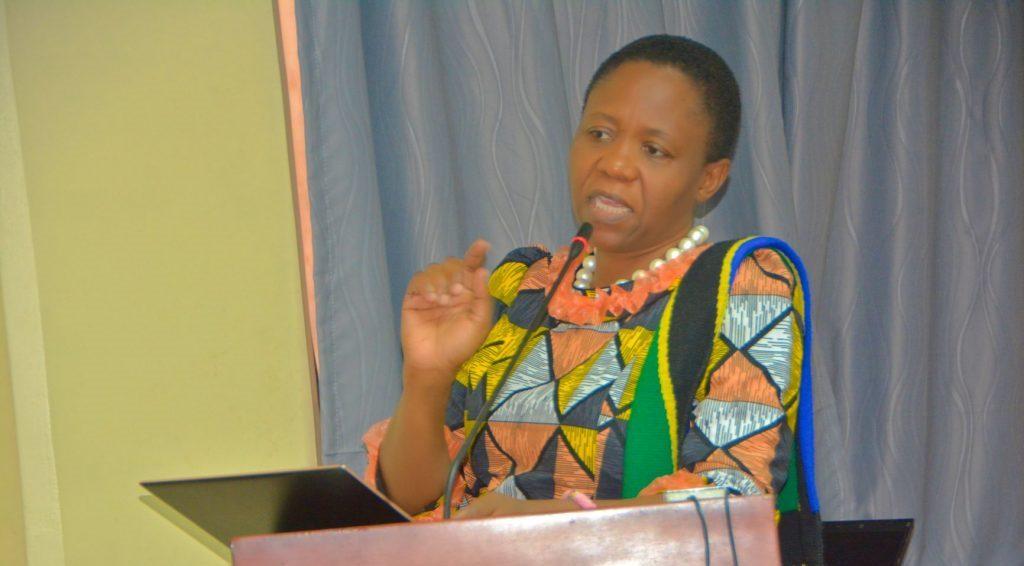
The statistics were revealed by the Minister for Health, Community Development, Gender, Elderly and Children, Dr Doroth Gwajima, here this week, saying the decrease was due to immense improvements in the health sector, including construction of many more health centres, country-wide.
“The decrease in patients seeking health treatments abroad has reached 94 per cent. The fifth-phase government continues to improve the health sector in various ways, including employing professionals and ensuring the availability of medical devices.
“It also sponsors regular training to health experts to sharpen their knowledge and enable them to conduct complicated major surgeries in the country,” said Dr Gwajima.
In her tour, Dr Gwajima also witnessed the laying of a foundation stone for the construction of the Chato Referral Hospital, performed by President John Magufuli and visiting Mozambican President, Filipe Nyusi, who was in the country for a one-day State visit.
Minister Gwajima expressed the fifth-phase government’s commitment to continue improving the country’s health sector.
She said that the government has invested a lot in health infrastructure to ensure access of the crucial services to its citizens and that is the reason why the number of Tanzanians seeking medical treatments abroad will continue dropping to zero.
Dr Gwajima further revealed during President Magufuli’s first presidential term, 2015-2020, new 1198 dispensaries, 487 health centres with ability to conduct major surgeries, 99 municipal hospitals as well as five referral hospitals were constructed.
The minister named the five hospitals as Songwe, Katavi and Geita regional referral hospitals as well as Southern and Chato zonal hospitals.
Construction of zonal hospitals is part of the fifth-phase government plan to set health services close to Tanzanians and at the same time make sure that all services are locally available, stressed the minister.
Dr Gwajima also presented the report for Chato Referral Hospital progress, saying its first phase construction has reached 90 per cent.
“And once accomplished, the hospital will have capacity to serve at-least 14 million patients annually, equal to between700 and 1,000 patients per day.”
Under President Magufuli’s leadership, the country has so far witnessed an improved healthcare delivery system, which employs modern technology at major referral hospitals.
The latest approach has significantly reduced cases of patients’ referrals abroad, making major medical breakthroughs and laid a strong foundation for grand Universal Health Coverage (UHC) plans.
As the country grapple to achieve the World Health Organisation (WHO) recommendations of doctor population ratio of 1:1,000 per year, the fifth phase government has employed a total of 13,479 medical personnel in various disciplines, including specialists, nurses, dentists, radiologists and pharmacists between November 2015 and January 2020.
Tanzania’s health sector annual budget has improved by an average of 123.3bn/- in the period of five years, statistics indicate.
The data shows that in the financial year 2015/16, the budget for the sector was 780.7bn/- but during the five years of Fifth Phase government, it stood at an average of 905bn/-, which is an increase by 15.7 per cent.
The annual health budget allocation trend was 780.7bn/- in 2015/16, 796.1bn/- (2016/17), 1.07tri/- (2017/18), 866.2bn/- (2018/19), 959.1bn/- (2019/20) and 900bn/- in the coming financial year.
To make the figures have more meaning to the Tanzanians, the budget for procuring medicines has tremendously gone up from just 31bn/- in 2015 to 270bn/- last year.
“We have strengthened availability of drugs and medical equipment, whereby we have increased its budget from 31bn/- in 2015 to 270bn/- currently,” stated President Magufuli while dissolving the 11th Parliament in Dodoma on June 16th, last year.