
What You Need to Know
The Tanzanian government, led by Prime Minister Dr. Mwigulu Nchemba, is committed to implementing people-centered reforms aimed at enhancing citizens’ livelihoods and national development. During a recent inspection of the Arusha Stadium construction, Dr. Nchemba praised President Samia Suluhu Hassan’s leadership style, which prioritizes long-term development over political ambitions, and outlined
Africa-Press – Tanzania. THE government has reaffirmed its commitment to addressing citizens’ challenges while advancing people-centred reforms aimed at improving livelihoods and strengthening national development systems.
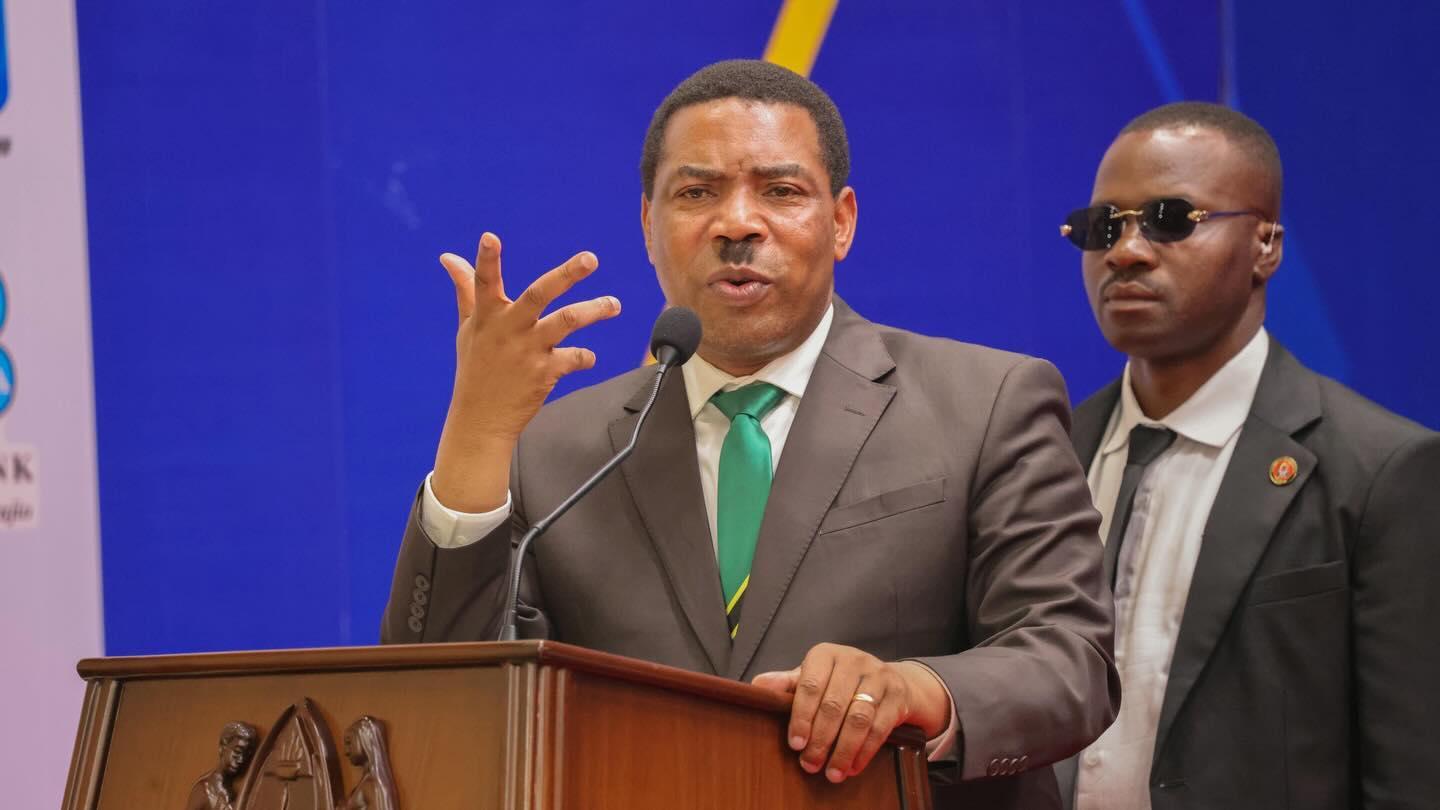
Prime Minister Dr Mwigulu Nchemba said President Samia Suluhu Hassan has set herself apart as a leader focused on transforming lives rather than pursuing electoral politics.
Dr Nchemba made the remarks yesterday while inspecting the Arusha Stadium construction project, noting that the President’s leadership prioritises long-term national development over short-term political interests.
“President Samia is not a leader of elections. She is not driven by the pursuit of power, but by a commitment to transform the lives of citizens,” he said.
He further said that not all presidents in the country’s history have had the opportunity to author a national development vision, but said the current administration under President Samia has successfully developed a guiding framework that will shape the country’s longterm development direction.
Dr Nchemba also highlighted what he described as historic reforms in the education sector, stating that such comprehensive changes had not been undertaken since 1967 during the leadership of the nation’s founding father, Mwalimu Julius Nyerere.
He said the reforms introduced mark the first major overhaul in more than five decades. “These are not just changes on paper. They are real reforms that are introducing something new, shifting the education system from a purely theoretical approach to one based on practical skills,” he explained.
Adding, “this transformation is intended to address one of the most persistent global challenges: youth unemployment.” He said that for many years the education system had been structured mainly to produce professionals for public sector employment, including teachers, medical workers, and government officials.
While this approach served earlier national needs, Dr Nchemba said it eventually contributed to imbalances in the labour market.
“That is why we have continued to face this challenge over the years, at one point, the number of trained teachers exceeded available positions. We also expanded secondary schools to every ward to address access, but even today there are still some fields where the number of graduates is higher than the available public sector jobs, because training was largely oriented toward government employment,” he said.
On universal health insurance, Dr Nchemba said the government has demonstrated decisive leadership by introducing legislation and initiating the implementation of a nationwide health coverage scheme, describing it as a historic step that had never previously been achieved in the country.
“This is leadership that solves people’s problems, citizens must also benefit from the progress being made for them,” he said.
Tanzania has undergone significant political and economic changes since its independence in 1961. The nation has historically focused on socialist policies under its founding leader, Mwalimu Julius Nyerere, which emphasized education and health as fundamental rights. However, over the decades, the country has faced challenges such as youth unemployment and a need for educational reform to align with market demands. Recent leadership has sought to address these issues through comprehensive reforms aimed at transforming the education sector and expanding healthcare access.