
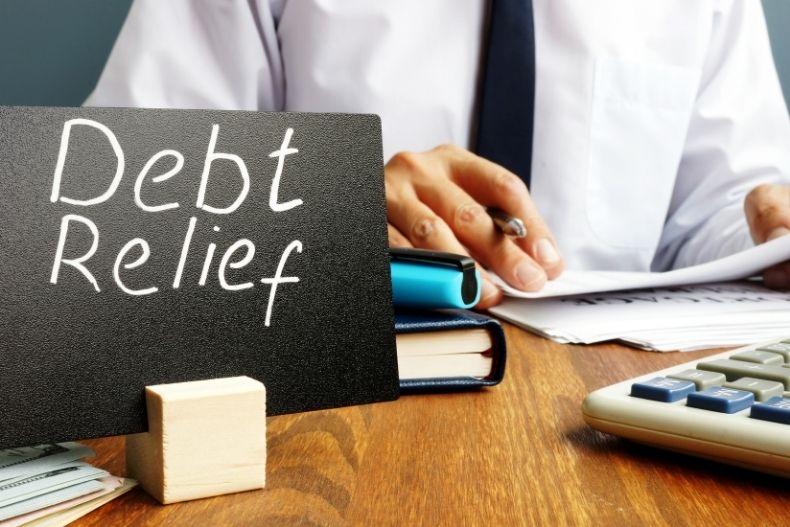
Africa-Press – Tanzania. ECONOMISTS and political scientists have welcomed President Samia Suluhu Hassan’s call on the need for Southern African Development Community (SADC) member states to have a one voice in convincing developed countries to provide debt relief to developing nations.
They said her suggestion has come at the right time and that the debt relief is going to boost economic growth in SADC member states, as a result being in a position to mitigate the effects of Covid-19.
During the just concluded 41st Ordinary Summit of SADC Heads of State and Government held in Lilongwe, Malawi, President Samia also suggested the need for developed countries and international financial institutions to extend the repayment time.
She was of the view that the debt relief would provide developing countries with enough space to recover their economies affected by Covid-19. Her suggestions considered the fact that economies of most SADC countries depend on tourism, agriculture and manufacturing sectors that have employed a higher number of people, only to be threatened by the scourge and climate change.
Commenting on President Samia’s move, an economistcum-investment banker Dr Hildebrand Shayo said the appeahas come at the right time, urging the member states to work on her suggestions, since they are helpful in boosting economies of developing countries.
“It is well known that sectors like tourism and manufacturing were most affected. I believe President Samia understands well that debt relief will mitigate any negative effects that debt service obligations might have on the economies of SADC state members,” he said.
According to him, high levels of debt can not only depress economic growth but slow growth only after its face value reaches a threshold level, especially when it reaches about 50 per cent of Gross Domestic Product (GDP). Dr Shayo noted that if President Samia’s request is honoured, then there will be a prompt addition of between 0.8 and1.1 per cent to the per capita GDP growth rates.
“Based on own analysis on average, every percentage point increase in debt service as a share of GDP decreases public investment by about 0.2 per cent point, implying that reducing debt service let say by 5 per cent points of GDP would raise public investment by an estimated 0.75–1 per cent point of GDP, which, in turn, would translate into a modest increase of about 0.2 per cent point in growth,” he explained. On his part, a University of Dodoma (UDOM) lecturer Dr Paul Loisulie apart from supporting President Samia’s request, suggested for the need of the bloc to have a powerful team to negotiate the matter.
“This team will have to be able to defend the interest of the bloc at large in the global arena, this will have a greater impact on the economy of all member states,” he said.
He suggested that, since the relief is meant to mitigate the effects of the Covid-19 pandemic, then it is crucial for member states to continue adhering to the requirements put by the World Health Organisation (WHO) on managing the global pandemic.
Dr Loisulie was of the view that the support should target recovery in the tourism, manufacturing and agriculture sector that have employed a huge number of people in the region.