

What You Need to Know
Firms are encouraged to rethink their leadership models in light of global uncertainties, according to Dr. David Kalaba of ESAMI. He emphasizes the need for agile and inclusive leadership, particularly through initiatives like the Female Future Programme, which aims to empower women for senior roles and enhance organizational resilience.
Africa-Press – Tanzania. FIRMS have been urged to rethink their leadership models and embrace inclusive decision-making as rapid technological change, geopolitical tensions and shifting workforce expectations render traditional management approaches increasingly ineffective.
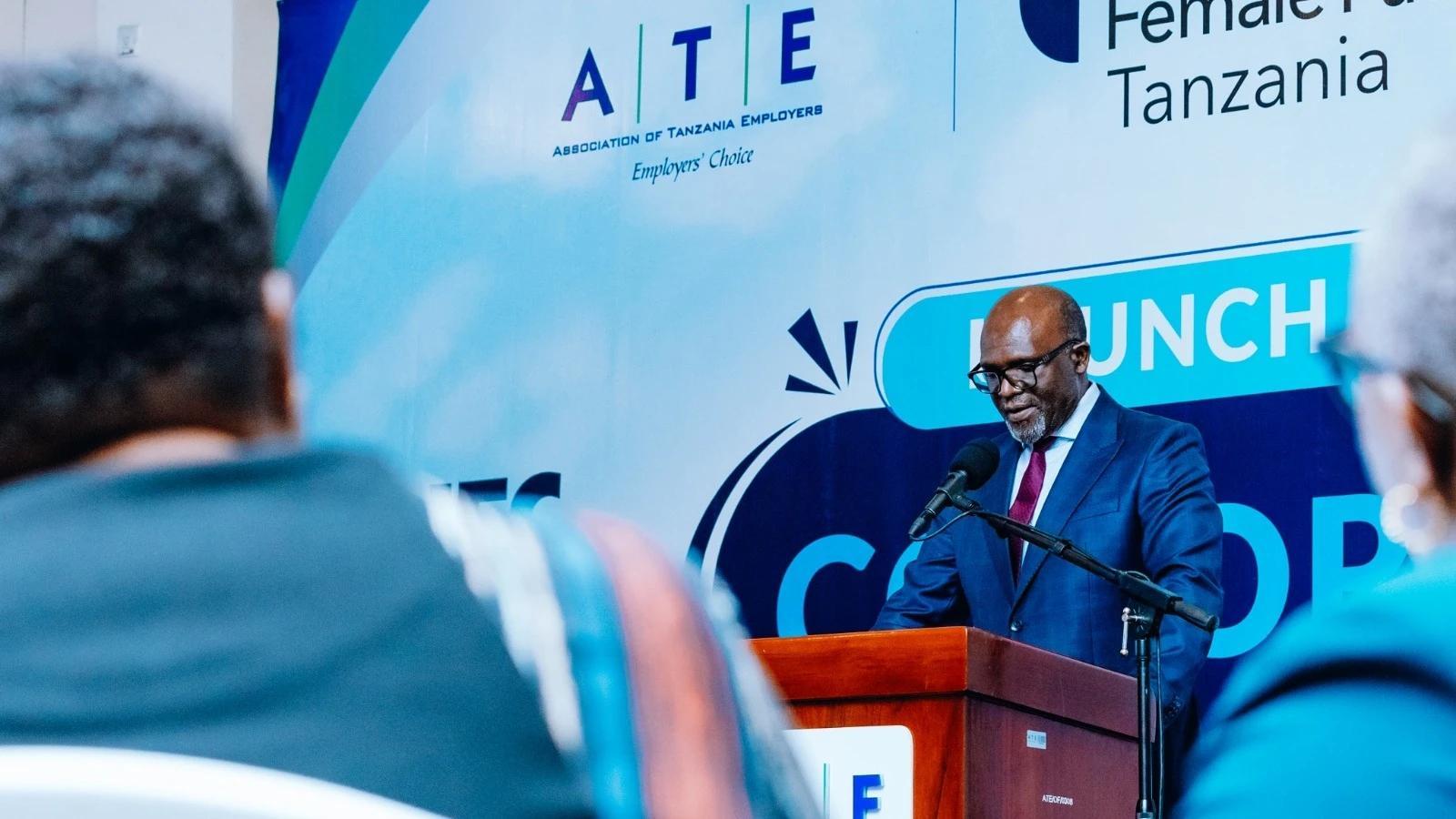
The call was made by Eastern and Southern African Management Institute (ESAMI) Deputy Director General, Dr David Kalaba, during the launch of the Female Future Programme Cohort recently in Dar es Salaam.
He said the fast-changing and unpredictable global environment is making hierarchical, command-and-control leadership styles obsolete, calling for a new generation of leaders who are agile and globally minded.
“We are no longer in a predictable world. Leaders must be agile, globally minded and able to make sound decisions under uncertainty,” he said.
Dr Kalaba noted that the future of leadership will be anchored on influence, collaboration and adaptability, warning that organisations that fail to adjust risk losing competitiveness and long-term sustainability. He stressed that building resilient and inclusive leadership pipelines is now a strategic priority, with women playing a central role in driving organisational success.
The Female Future Programme, organised by the Association of Tanzania Employers (ATE) in collaboration with ESAMI, aims to equip women with leadership skills and prepare them for senior roles. Since its inception in 2016, the initiative has benefited more than 800 women, with this year’s Cohort 12 comprising 142 participants undertaking a nine-month leadership programme.
The initiative forms part of broader efforts to strengthen leadership capacity and position organisations to better navigate emerging global challenges. Dr Kalaba added that empowering women must go beyond the workplace, calling for consistency in leadership support across both professional and social spaces.
ATE Chief Executive Officer, Ms Suzanne NdombaDoran, said the programme has grown into a transformative platform for women leaders across sectors. She noted that the initiative has contributed to increased productivity, stronger leadership pipelines and greater confidence among women in leadership roles.
The call for rethinking leadership comes amid significant global changes, including technological advancements and geopolitical tensions. Traditional leadership styles are increasingly seen as inadequate in addressing the complexities of today’s business environment. Programs like the Female Future Programme are part of broader efforts to enhance leadership capacity and promote gender equality in leadership roles, which is crucial for organizational success and sustainability. Since its launch in 2016, this initiative has successfully trained hundreds of women, highlighting the importance of inclusive leadership in navigating future challenges.