
What You Need to Know
Tanzania’s Minister of State for Planning and Investment, Kitila Mkumbo, highlighted significant challenges in improving the business environment, particularly the need for a mindset shift among government officials. During a review of the MKUMBI II plan, he noted 59 challenges affecting business operations and emphasized the importance of reforming public institutions to facilitate rather than st
Africa-Press – Tanzania. THE Minister of State in the President’s Office for Planning and Investment, Kitila Mkumbo, said efforts to improve the business environment in Tanzania are facing a major challenge in changing the mindset of government officials.
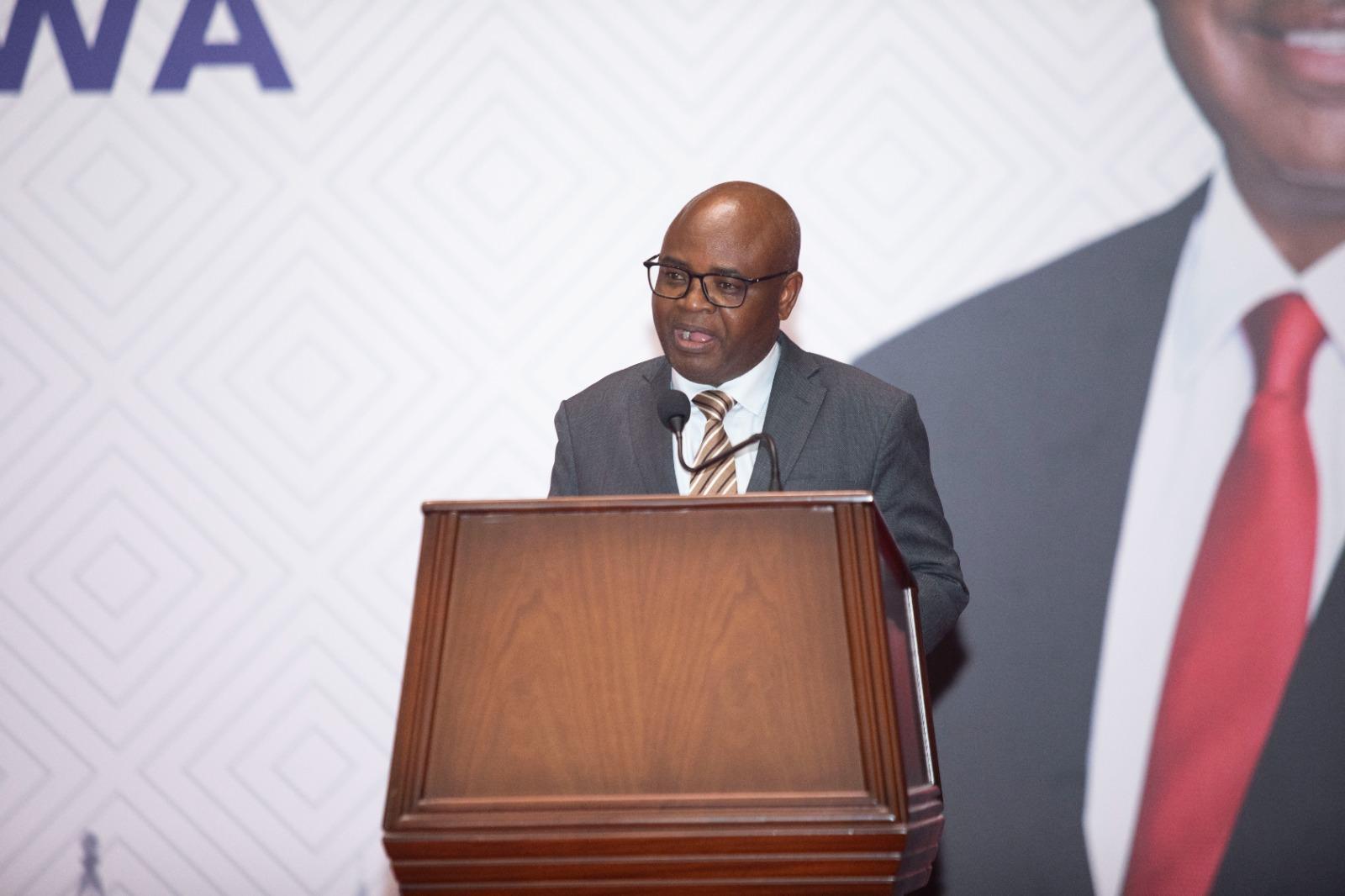
Speaking today, March 27, 2026, in Dar es Salaam, in the presence of Zanzibar President Hussein Ali Mwinyi, during a review meeting of the Second Business Environment and Investment Improvement Plan (MKUMBI II), Prof Mkumbo said although top leadership is actively championing reforms, significant challenges remain at the lower levels of policy implementation.
He explained that public institutions and regulatory authorities bear primary responsibility for overseeing the business environment. If that environment remains unfavorable, these institutions are largely accountable.
He emphasized that meaningful reform must therefore begin within these entities.
According to the minister, the draft MKUMBI II has identified 59 challenges hindering business operations in both Mainland Tanzania and Zanzibar. To address these, the plan proposes 11 priority areas encompassing a total of 246 reform actions.
Prof Mkumbo further clarified that the central objective of the plan is to transform the public sector from merely enforcing regulatory compliance into actively facilitating business activity. He stressed that shifting institutional mindsets is more difficult than passing legislative reforms, yet it is critical to the success of these changes.
He also acknowledged the existence of mutual distrust between the government and the private sector, where the government often perceives business operators as tax evaders, while the private sector views the government as a barrier to growth. He noted that MKUMBI II aims to eliminate this mistrust by fostering sustained confidence and strong collaboration between the two sides.
Tanzania has been working to enhance its business environment through various reforms aimed at attracting investment and fostering economic growth. The MKUMBI II plan, introduced to address these challenges, seeks to transform the public sector’s role from regulatory enforcement to active facilitation of business activities. This shift is crucial for building trust between the government and the private sector, which has historically been marked by mutual distrust and misperceptions. Addressing these issues is essential for sustainable economic development in the region.