

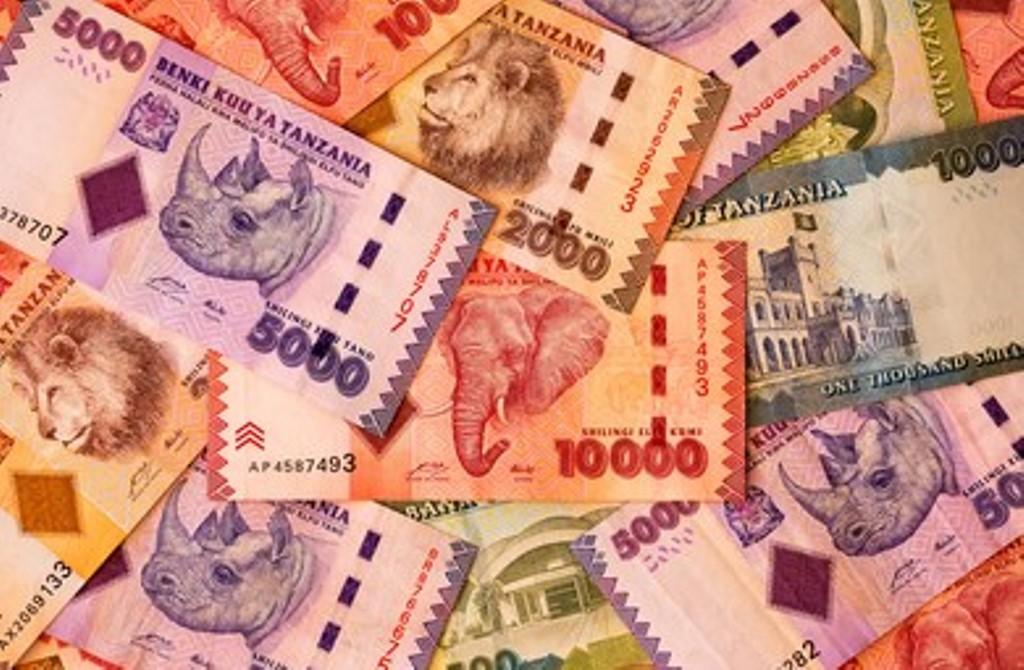
Africa-Press – Tanzania. THE shilling lost 8 per cent in points (pips) on the Interbank Foreign Exchange Market (IFEM), which is the highest loss since the beginning of this fiscal year.
The shilling lost 8pips to close the week to last Friday at the weighted average exchange rate of 2,310/81 against a US dollar. Orbit Securities said in its Weekly Market Synopsis that the loss was the highest albeit insignificant since the beginning of the 2021/22 fiscal year. “The shilling is still on a gradual depreciation that began at the end of May,” Orbit said.
However, on Monday the shilling traded flat against the greenback thanks to inflows from agriculture and manufacturer goods.
“The shilling continued trading flat against the dollar with inflows from commodities cushioning the appetite for USD from SMEs and,” NMB Bank said in its e-market for forex.
Monday’s trading session remained at 2308/2339 levels and the same trend is expected throughout the week. NMB’s quarterly Market Digest issued yesterday said the local unit traded sideways with limited volatility for the entire quarter that ended June at IFEM.
The shilling opened the quarter under review at 2319/- to the dollar and appreciated slightly to 2318/- before firming and close at 2319/-.
“Despite the demand for dividend payments, which in recent years has led to notable depreciation of the shilling during the same period, the local unit managed to hold firm this time around,” the NMB report said.
The bank which is the largest lender in the land said the firmly trading was owed to the resilience to a well-timed increase in agri, gold exports and trade inflows, which aided greatly in the shilling’s stability.
The volumes traded in the IFEM decreased by 18 per cent from the 79.25 million US dollars traded in the preceding quarter to 64.8 million US dollars during the period under review.
“IFEM members opted for back-toback customer covers as price discovery and liquidity continued to be limited in the interbank space,” NMB said. The Bank of Tanzania (BoT) continued to ensure orderly market conditions via prudent monetary policies.
“Looking ahead to the upcoming quarter,” NMB said, “the expectation is for a stable currency as inflows continue to come in from sesame and tobacco proceeds.”