

What You Need to Know
At just 13, Rafat Ally Simba is making waves in Tanzania’s literary scene with her debut book, The First Female President. Her story of a young girl defying societal norms reflects broader changes in Tanzania. Experts emphasize the need to nurture young talent to sustain the country’s publishing industry and promote creativity in education.
Africa-Press – Tanzania. At an age when many of her peers are immersed in play or social media, 13-year-old Rafat Ally Simba is charting a different path, one that speaks not only to her personal ambition, but also to the future of Tanzania’s publishing industry.
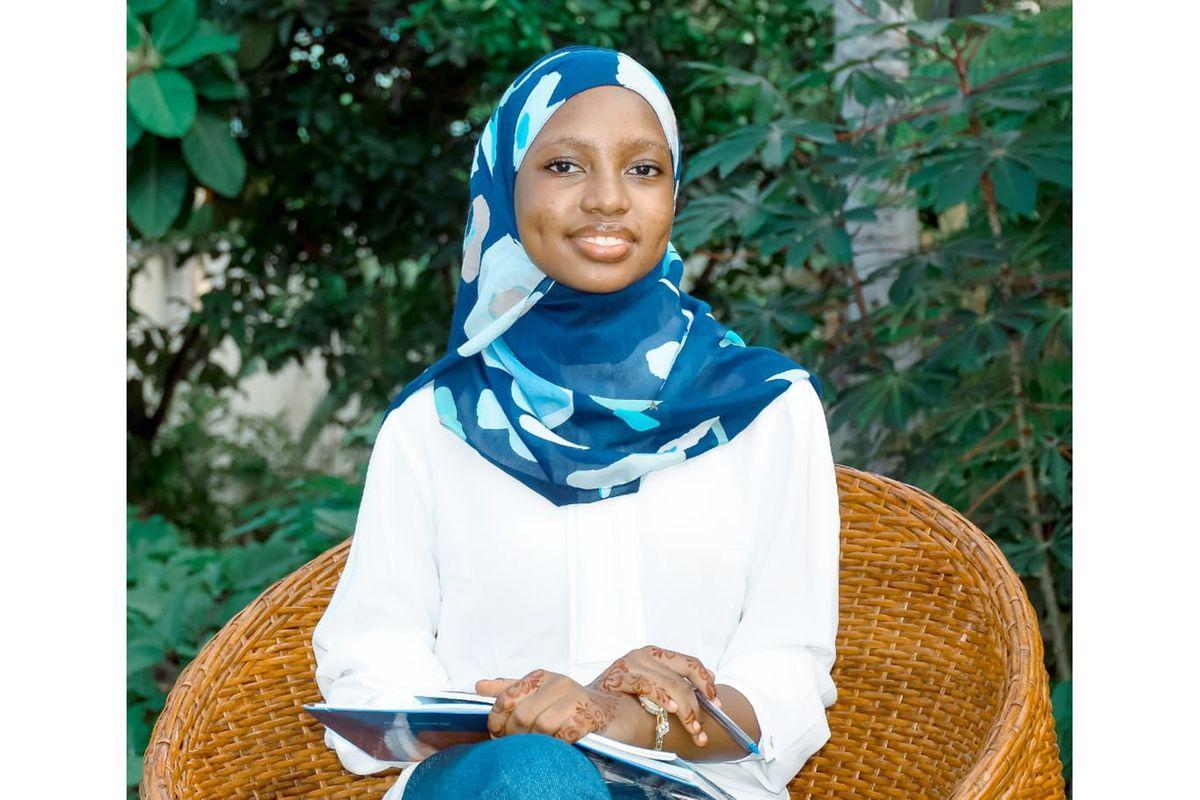
Through her debut book, The First Female President, Rafat (pictured) is doing more than telling a story. She is tapping into a deeper national conversation about reading culture, youth creativity and the sustainability of the country’s literary ecosystem.
Her book follows the journey of Sakina, a young girl growing up in a society that confines women to traditional roles. Against the odds, Sakina challenges these beliefs and rises to leadership. The storyline mirrors broader societal shifts, inspired in part by Tanzania’s historic moment of having a female Head of State, President Samia Suluhu Hassan.
“I wanted to show that even if society sets limits on you, you can still succeed if you believe in yourself,” Rafat said in an interview.
Her journey into writing began in primary school, where she took part in writing training and competitions that nurtured her talent.
With support from her parents and teachers, she has since grown into a confident young author, an example of how early investment in creative skills can bear fruit.
Yet beyond Rafat’s personal story lies a bigger question: can Tanzania cultivate a new generation of writers to sustain its publishing industry?
Experts say the answer depends largely on how well such young talents are identified, supported and integrated into the broader literary ecosystem.
An education expert, Dr Joyce Ndabuki, believes that stories like Rafat’s highlight the untapped potential within the country’s school system.
“We have many children with creative abilities, but they are often not given enough platforms to express themselves,” she said. “If we nurture writing from an early age, we are not only building confidence among learners but also securing the future of our publishing industry.”
She added that the reading and writing culture in Tanzania still faces challenges, including limited access to books and a heavy focus on exam-oriented learning, which leaves little room for creativity.
“These young writers remind us that education should go beyond passing exams. It should also encourage imagination and critical thinking,” she noted.
The government has in recent years made efforts to revitalise interest in literature, notably through the introduction of the Mwalimu Nyerere National Literary Awards.
The awards aim to recognise and promote excellence in writing, while inspiring both established and emerging authors.
According to publishing analyst Mr Richard Mutuki, such initiatives are a step in the right direction, but more needs to be done to connect young writers to the industry.
“The Mwalimu Nyerere awards are important because they give recognition and visibility to writers,” he said. “However, we need a more structured system that supports young authors like Rafat, from mentorship programmes to accessible publishing opportunities.”
Tanzania has a rich literary tradition, yet it faces challenges in fostering a vibrant reading culture among the youth. The government has initiated programs like the Mwalimu Nyerere National Literary Awards to encourage writing and recognize talent. However, many young writers struggle with limited access to resources and platforms for expression, highlighting the need for systemic support in the literary ecosystem. Rafat’s journey exemplifies the potential of young authors to inspire change and contribute to the country’s cultural landscape.