Africa-Press – Uganda. The National Resistance Movement (NRM) National Vice Chairperson for Eastern Region, David Calvin Echodu, has intensified his call for stronger collaboration between the Church and government, emphasizing the critical role faith-based institutions can play in transforming communities and advancing national development.
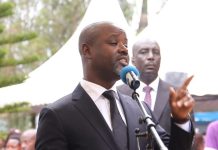
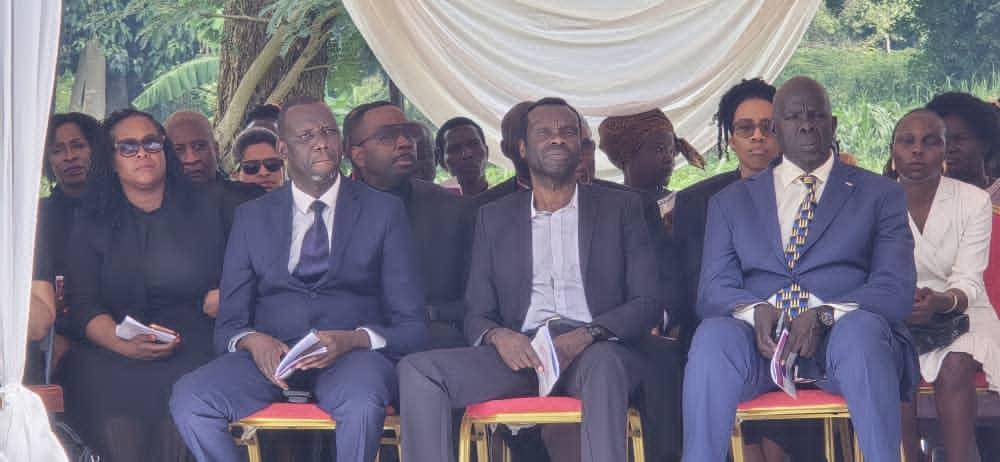
Echodu, who is also the Member of Parliament–elect for Soroti City West Division, made the remarks while addressing Christians at Life Renewal International Church in Soroti during the consecration of Eletu Joseph as Bishop of Soroti.
His message underscored a growing commitment to actively engage religious leaders as strategic partners in promoting socio-economic transformation across the country.
“The Church has a very powerful voice in society today, and government acknowledges this,” Echodu said. “Church leaders should therefore use their influence to speak boldly against corruption, while also guiding their congregations to support the government’s development agenda.”
He noted that the Church remains one of the most trusted institutions in Uganda, with the ability to shape values, influence behavior, and mobilize communities at the grassroots level. According to Echodu, this unique position places a responsibility on religious leaders to champion integrity, accountability, and mindset change—key ingredients for sustainable development.
Echodu stressed that Uganda’s journey toward economic transformation cannot be achieved by government efforts alone. Instead, he called for a united front in which religious institutions actively support government programmes aimed at improving livelihoods, particularly in rural and underserved communities.
“If churches become strong allies of government, much of the burden of mindset change will be addressed,” he said. “We need citizens who are not only spiritually grounded but also economically empowered and responsive to national development initiatives.”
His remarks reflect a broader strategy to bridge the gap between policy implementation and community uptake, leveraging the Church’s influence to drive awareness and participation in government programmes such as wealth creation, education, and health initiatives.
Echodu reaffirmed his commitment to strengthening engagement with religious institutions in his constituency and across the Eastern Region. He pledged to work closely with church leaders to ensure development messages are effectively communicated and embraced by local communities.
Observers say his approach signals a deliberate effort to integrate moral leadership with political governance, positioning the Church as a key stakeholder in Uganda’s development agenda.
During the same event, Echodu congratulated Bishop Eletu Joseph upon his consecration and urged the clergy to remain steadfast in promoting unity, peace, and ethical leadership. He emphasized that the Church’s prophetic voice should not only challenge societal ills such as corruption but also inspire hope and collective action toward national progress.