Africa-Press – Uganda. The Minister for Energy and Mineral Development, Ruth Nankabirwa, has assured Parliament that Uganda has sufficient fuel reserves to last more than two months, with additional May supplies already arriving at regional ports in Kenya and Tanzania.
Appearing before the Parliamentary Committee on Natural Resources to present the ministry’s policy statement for the 2026/27 financial year, Nankabirwa said the country currently has adequate fuel stocks to sustain demand through April and May.
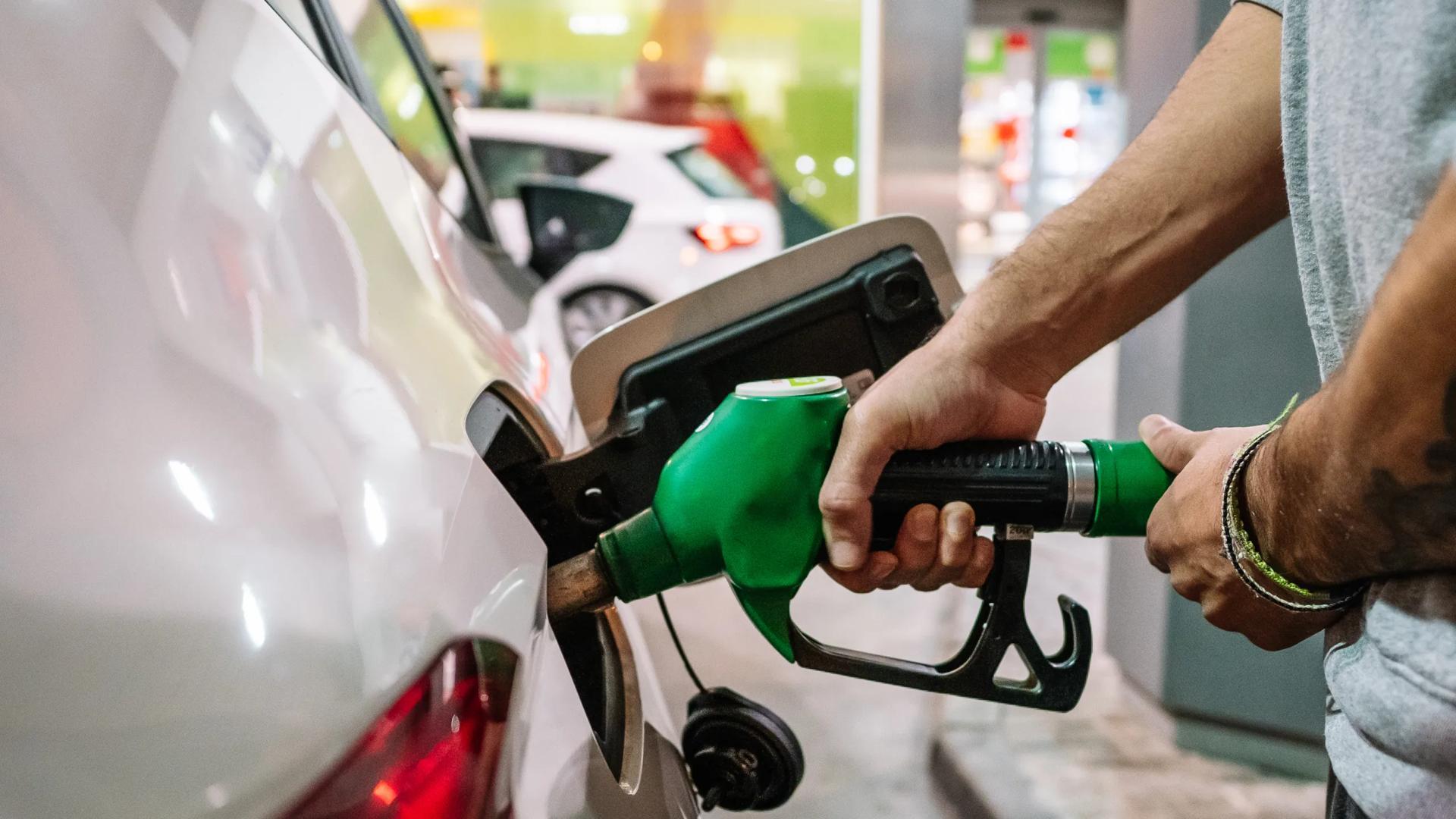
She revealed that Uganda expects deliveries of 195 million litres of petrol, 155 million litres of diesel, and 24 million litres of jet fuel starting this month.
According to the minister, petrol stocks will last approximately 52 days, diesel 44 days, and jet fuel about 39 days.
Nankabirwa said part of the May fuel consignment is already arriving at the port of Mombasa, with additional shipments being routed through Tanzanian ports to avoid supply disruptions.
She defended the government’s decision to grant fuel import licences to the Uganda National Oil Company, describing it as a strategic move aimed at strengthening national energy security.
On rising fuel prices, the minister attributed the increases largely to the appreciation of the US dollar but noted that ongoing engagements with oil marketing companies have helped contain further hikes.
She said government continues to engage fuel firms to regulate excessive price increments despite global pressures and logistical costs.
Nankabirwa presented a proposed budget of Shs2.282 trillion for the oil and energy sector for the 2026/27 financial year.
Of this, Shs18.9 billion is allocated for wages, Shs186.8 billion for non-wage recurrent expenditure, and Shs951.6 billion for development, while Shs1.125 trillion is expected from external financing.
However, lawmakers expressed concern after learning that the Petroleum Fund, previously approved by Parliament, remains unfunded.
The Petroleum Authority of Uganda is seeking Shs106.868 billion, covering wage, recurrent, and development expenditures.
The minister also reaffirmed Uganda’s ambition to achieve first oil, noting that companies such as TotalEnergies and CNOOC have made significant progress in drilling activities at the Tilenga and Kingfisher oil fields.
She disclosed that more than 224 wells have already been drilled, surpassing initial targets, and that technical commissioning of oil production is expected by July 31, with key infrastructure components anticipated by October.
Despite the assurances, Members of Parliament remained skeptical about shifting timelines for oil production.
The committee called for clearer schedules and greater accountability, particularly regarding delays and restructuring within the energy sector, including the Rural Electrification Agency.
Legislators also raised concerns about funding gaps, unpaid contractors, and the broader implications for Uganda’s national development agenda.