Africa-Press – Uganda. Stakeholders in Uganda’s tourism sector are calling for stronger private sector involvement in the proposed amendments to the country’s Tourism Act, as debates intensify over reforms aimed at boosting the industry’s growth and sustainability.
The Tourism Act of 2008, which established the Uganda Tourism Board and the Tourism Development Fund, has been criticized for not fully integrating private sector input in policy decisions. As the government considers revisions, industry leaders argue that addressing this gap is essential for sustainable and inclusive growth.
During a stakeholder meeting organized by the Uganda Tourism Association (UTA), tourism professionals, government officials, and experts emphasized the need for a framework that gives private actors a meaningful voice in shaping policy.
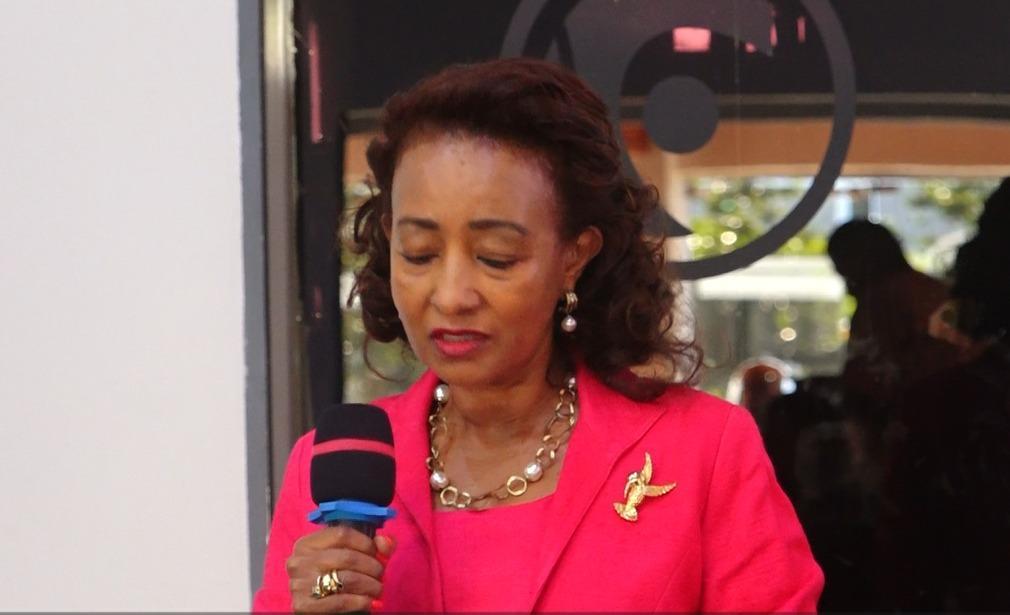
Dr. Yogi Birigwa, President of the Uganda Tourism Association, noted, “The private sector plays a pivotal role in shaping how tourism operates on the ground, yet the proposed changes do not adequately recognize the Uganda Tourism Association as a key driver of the industry.”
A major concern raised by stakeholders is the absence of a strong legal mandate for tourism associations, which limits their ability to influence policy, coordinate with government, and advocate for industry players. They argue that empowering an apex body such as UTA would improve sector coordination and ensure policies reflect realities on the ground.
While the proposed amendments aim to address issues such as sustainability, infrastructure, and decentralization of tourism management to local governments, critics warn that these reforms may fall short without structured private sector participation. Key challenges include deforestation, infrastructure gaps, and inconsistent service standards, which require collaborative solutions.
Comparisons were drawn with Rwanda, where a clear and efficient system allows strong government-private sector collaboration, contributing to a more competitive tourism industry.
Dr. Andrew Seguya, Executive Secretary of the Greater Virunga Transboundary Collaboration, emphasized, “In Rwanda, the system is clear and efficient, with defined roles and strong private sector involvement. Uganda has an opportunity to learn from this model.”
He added, “I have heard about the development of the tourism bill, and it is exciting. What needs to be done is to involve the private sector in how arrangements are made about the sector. My five-year study shows that the private sector has not contributed as much as it could have if it was part of the process. It is important for the Uganda Tourism Association to be involved.”
Stakeholders are urging further consultations before finalizing the amendments, including potential involvement of external experts to review the bill. Many believe that a more inclusive approach will address current gaps and position Uganda’s tourism sector for long-term competitiveness and growth.
As the legislative process continues, industry players remain hopeful that the final amendments will reflect a balanced partnership between government and private actors, unlocking the full potential of Uganda’s tourism industry.
For More News And Analysis About Uganda Follow Africa-Press