Africa-Press – Uganda. Uganda National Bureau of Standards has called for urgent policy and regulatory reforms to improve access to safe and affordable menstrual health products, warning that cost and quality gaps continue to affect millions of Ugandan girls and women.
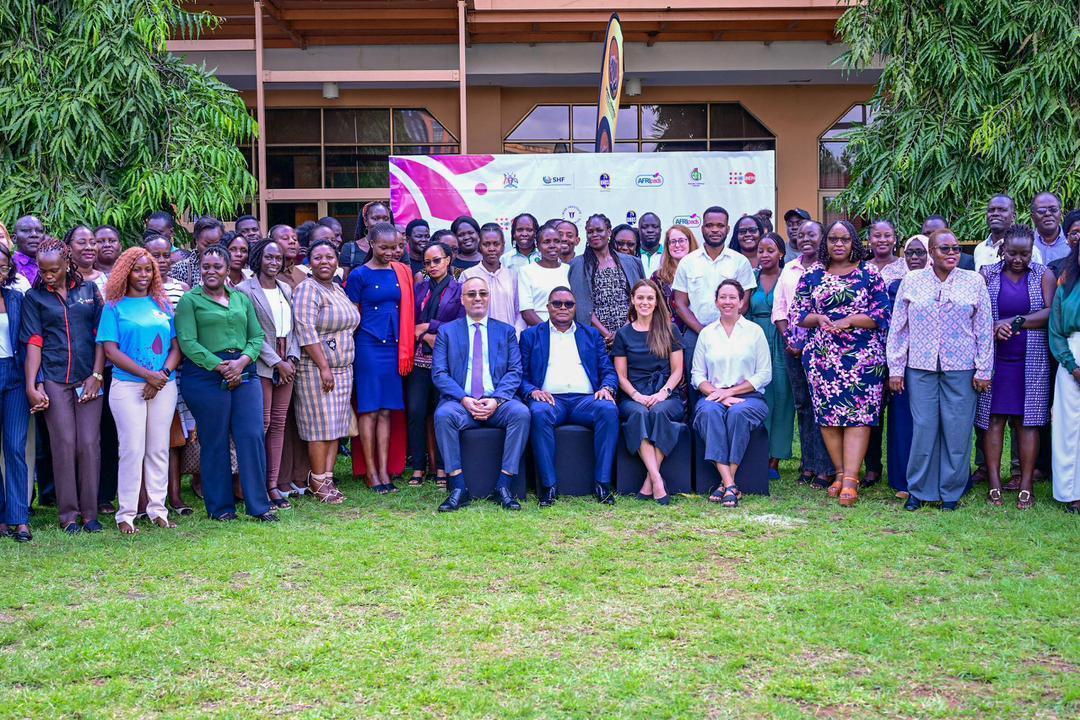
The call was made during a two-day Menstrual Hygiene Symposium held in Kampala on April 8–9, organised in partnership with United Nations Population Fund and the Sanitation and Hygiene Fund.
Speaking at the event, UNBS Manager for Testing Services, Hajj Aziz Mukota, said enforcing standards and reforming policies are critical to ensuring menstrual products on the Ugandan market are both safe and affordable.
“Menstrual health management is a matter of human rights, dignity, health and gender equity. As UNBS, we are committed to ensuring that all menstrual products comply with national standards,” Mukota said.
The symposium brought together more than 100 stakeholders from government, the private sector, civil society and development partners, with discussions focusing on reducing the cost of menstrual products, strengthening regulation, and expanding access—particularly for underserved communities.
UNBS officials highlighted that Uganda already has a set of national standards covering disposable sanitary pads, reusable sanitary towels, menstrual cups and tampons. However, stakeholders noted that enforcement gaps and high production costs continue to limit affordability and access.
Participants pushed for tax reforms and incentives to support local manufacturers, arguing that boosting domestic production of quality-assured menstrual products could significantly lower prices and improve supply.
The discussions also emphasized the need for stronger collaboration between regulators and industry players to ensure compliance while encouraging innovation in the sector.
The meeting comes amid growing concern over the impact of menstrual health challenges on education outcomes. Stakeholders cited evidence that many school-going girls in Uganda miss classes due to lack of access to affordable menstrual products and adequate sanitation facilities.
Delegates said addressing the problem requires a coordinated approach that combines policy reform, strict enforcement of standards, and investment in sanitation infrastructure.
Uganda is also seeking to influence global standards on menstrual health products through its participation in the International Organization for Standardization’s Technical Committee on menstrual products.
UNBS, through its textiles and related products committee, is contributing to the development of international guidelines covering both single-use and reusable products.
Officials said aligning national standards with global frameworks would not only protect consumers but also enhance Uganda’s ability to compete in regional and international markets.
UNBS reaffirmed its commitment to working with government ministries, development partners and the private sector to promote innovation, research and investment in menstrual health solutions.
Mukota said the bureau would continue to support standards development and enforcement while advocating for an enabling policy environment.
“Our goal is to protect consumers, facilitate trade and ultimately improve the well-being of all Ugandans,” he said.
For More News And Analysis About Uganda Follow Africa-Press