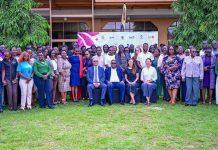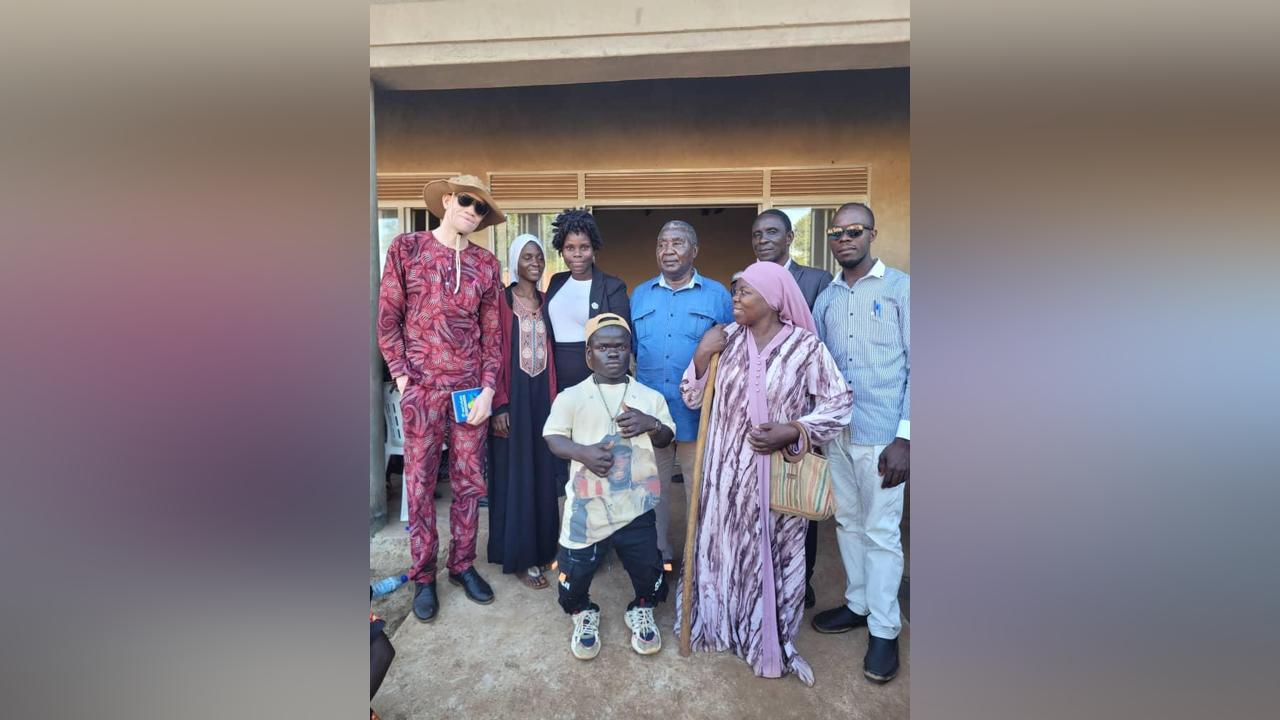
Africa-Press – Uganda. The National Union of Disabled Persons of Uganda in Kayunga District has conducted elections, ushering in a new generation of leadership in what stakeholders describe as a bold step toward strengthening the representation of Persons with Disabilities (PWDs) at the grassroots level.
The elections come at a time when many PWDs in Kayunga continue to raise concerns about neglect, exclusion, and limited access to essential services. Leaders and members noted that despite national frameworks supporting disability rights, implementation at the district level remains weak.
Across Uganda, National Union of Disabled Persons of Uganda plays a central role in uniting disability groups and advocating for inclusive policies, capacity building, and social protection for PWDs.
Presiding over the elections, Paporus Aisu, a programme officer at NUDIPU, expressed gratitude for the successful exercise.
“We mobilized persons with disabilities from the village to the sub-county level, and this time we have been able to elect a structure that will support the affairs of the district union,” he said.
Aisu noted that the newly elected committee will play a key role in advocating for the rights of persons with disabilities and ensuring they benefit from both government and non-government programmes.
“There will be a link between the government and persons with disabilities. The leaders will collect views from both sides and present them to councillors, who will in turn engage the local government,” he added.
During the electoral process, participants emphasized the need for leaders who are proactive in advocating for persons with disabilities, transparent and accountable to the community, and committed to service delivery—especially in health, education, and livelihood support.
The elections also reflect a broader national momentum, where PWD representation has been strengthened through structured electoral systems, including special interest group elections organized by the Electoral Commission of Uganda.
At the same meeting, it was noted that PWD leaders have previously raised concerns about systemic challenges, including neglect by local authorities, limited funding for disability programmes, and the exploitation of PWD positions by non-disabled individuals seeking political advantage.
Such concerns have made these elections particularly significant, as communities seek authentic representation that truly understands their lived experiences.
The newly elected leaders are now expected to strengthen advocacy for disability-friendly services, work closely with district authorities to influence policy, and promote economic empowerment and inclusion.
For many residents, this election marks renewed hope that PWD voices in Kayunga will become louder, more organized, and better represented.
For More News And Analysis About Uganda Follow Africa-Press