Africa-Press – Uganda. The Finance ministry’s top brass told us what we already knew during an interface with the House’s Budget Committee on Monday. According to Mr Ramathan Ggoobi—the ministry’s permanent secretary who also doubles as the secretary to the treasury—Uganda will this year hedge its bets on oil as it looks to regain some of the old energy it had before the pandemic reared an ugly head.
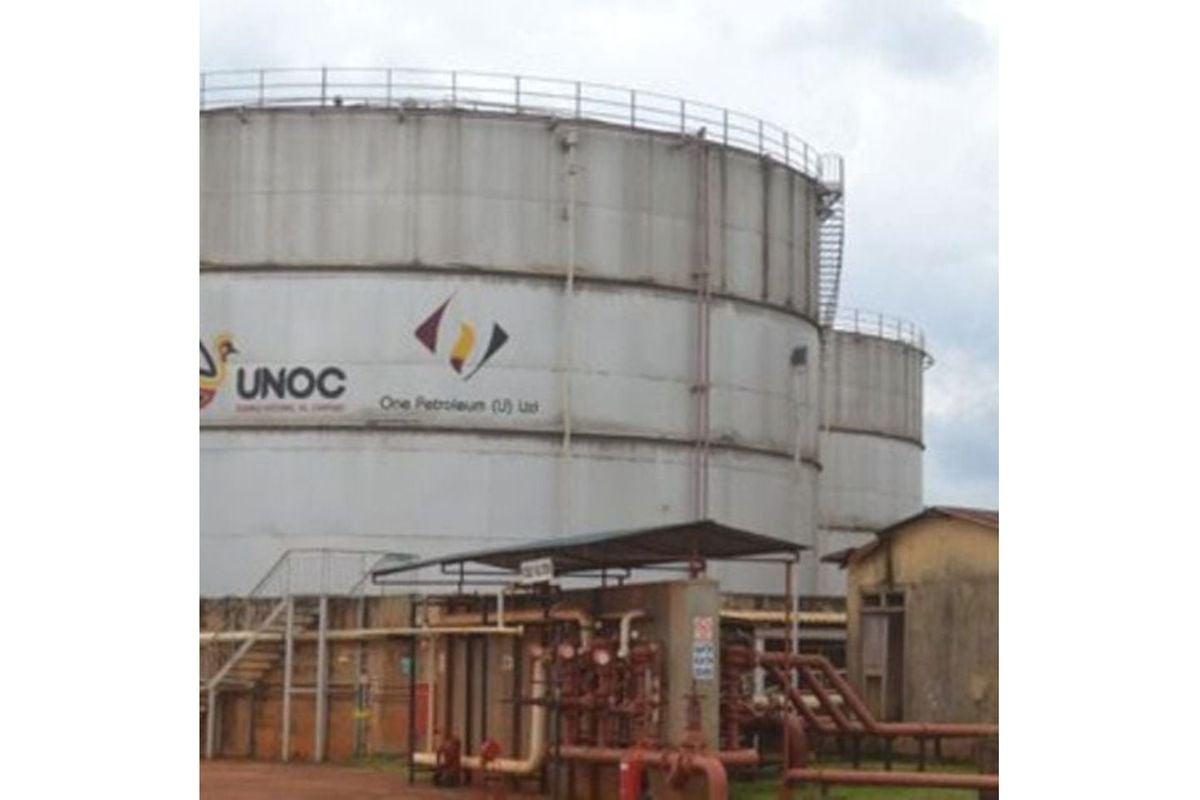
The final investment decision (FID) on the oil refinery, which Mr Ggoobi says “will be announced soon”, is widely expected to be a tour de force that will unlock countless economic opportunities. Whether it will do as the government desperately hopes rests on a cornerstone of conjecture. At least for now. What is abundantly clear is that it is a risky gamble to concentrate all hopes in one area. We believe the reliance on the so-called black gold for a silver bullet solution to what hobbles Uganda post-pandemic is as lazy as it is foolhardy. If someone is looking for the initial symptoms of the Dutch disease, they need to look no further.
Whilst the world’s largest oil producers are purposefully diversifying away from the black gold as a less carbon-intensive economic model starts taking shape, Uganda appears to happy—even keen—on doing the polar opposite. This is bound to sow seeds of fears amongst Ugandans that tend to look at the bigger picture.
Meeting the House’s Budget Committee on Tuesday, Dr Michael Atingi-Ego—the central bank’s deputy governor—crystallised another fear when he juxtaposed Uganda’s debt service of $900 million and commercial oil production. The latter—expected or, more accurately, hoped to materialise in the next four years—is expected to counterbalance the country’s growing debt.
If a week is a long time in politics, then how about four years? The reliance on oil exports to wave the proverbial magic wand masks hard choices. It is our hope that the country’s policy wonks at the Finance ministry articulate their approach to the aforesaid hard choices. If oil is our plan A, what are the other options in case things go horribly wrong?
It doesn’t help matters that the scorecard on the government’s latest poverty alleviation programme—the Parish Development Model—doesn’t make for good reading thus far. The programme has been dogged by what its predecessors struggled unsuccessfully with—corruption.
We urge the responsible authorities to stop hiding their head in the sand like an ostrich. While it’s not a crime to take a more sanguine view about future prospects on the basis of a finite resource, as oil is, we find the parochial scope of state actors hardly helpful. Our recommendation is that it treats the—to borrow the term used by Climate Action Tracker—gold rush for new fossil fuel projects in the wake of boycotts and bans on Russian oil and gas as a temporary supply measure.
Nothing less, nothing more. Hopefully, the government will make it a point to articulate other ways it plans to take the country out of the current economic malaise and slump. Oil doesn’t have to be the alpha and omega.
For More News And Analysis About Uganda Follow Africa-Press