Africa-Press – Uganda. Street vendors in Masaka City have asked President Museveni to prevail over city authorities, who they said have adamantly continued to levy dues which were abolished in 2017.
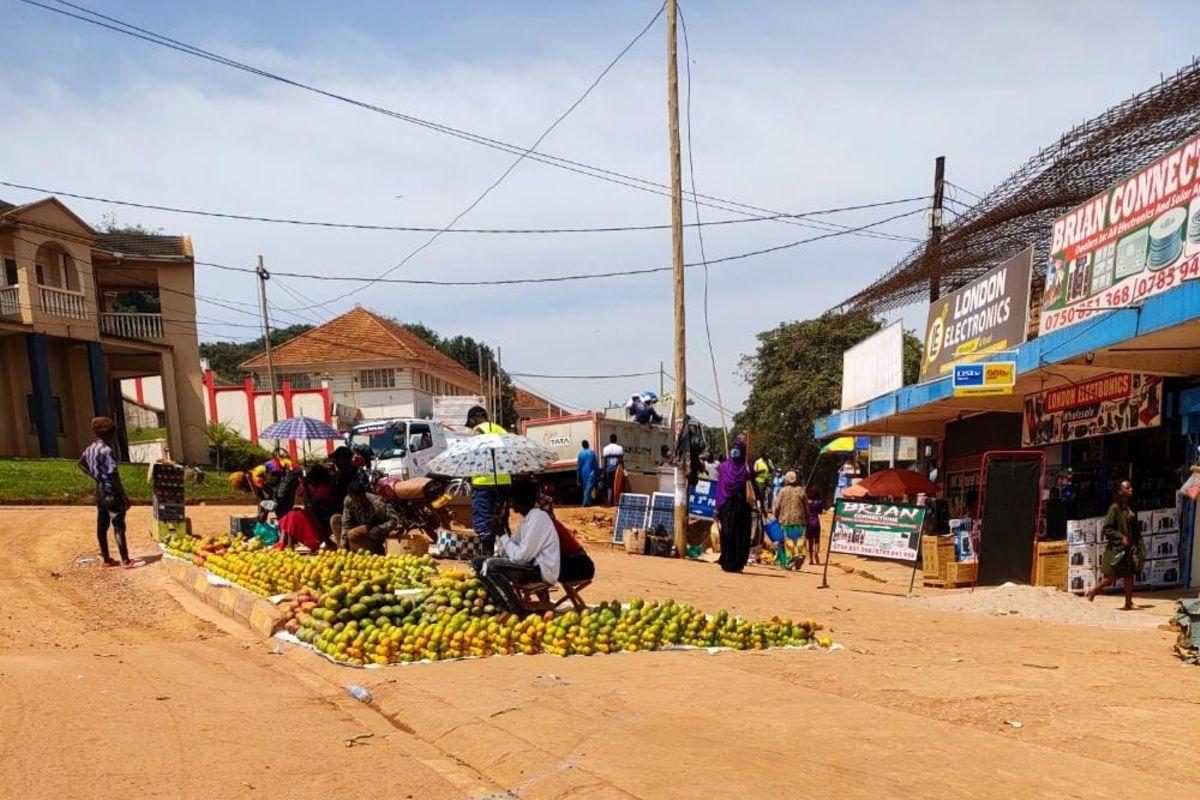
The most affected vendors are operating on Elgin Street, Edward Avenue, Kikuubo Lane and Victoria Road, among others.
The vendors claim that those who try to resist paying the illegal fees risk having their merchandise confiscated by tax collectors, especially those deployed at night.
Mr Patrick Kyeyune, one of the affected vendors, who runs a chapatti stall on Edward Avenue, said the tax collectors issue receipts for those who insist to have them, while others simply take the money without issuing anything to acknowledge receipt of the money.
On average, a night vendor in Masaka City pays Shs1,000 per day, which translates to Shs365,000 a year. The vendors said this is higher than what most traders owning shops in the city pay as licence fees annually.
“It is surprising that even after President Museveni suspended such dues in 2017, authorities in Masaka City are still collecting these illegal fees. Some unscrupulous individuals are profiteering from charging this money,” Ms Agnes Namata, a food vendor on Edward Avenue, said in an interview on Monday.
“It is only the President who can save us from this exploitation,” she added.
Masaka Deputy Resident City Commissioner Ahmed Kateregga Musaazi condemned the continued levying of illegal dues from the roadside vendors, saying his office is going to investigate the matter.
“I was not aware that city council authorities were still charging those illegal fees. I am going to speak to the city leaders and see how this issue can be addressed,” he said.
Mr Tom Luyobya, the chairperson of Masaka City Council finance committee, said the council tendered collection of revenue to vendors’ associations, but they are not supposed to charge money from vendors operating at night because revenue collection ends at 7pm.
Masaka City Mayor Florence Namayanja said some of the street vendors chose to work at night because they could not be accommodated in the central market.
“It is not fair to tax poor vendors who are selling their merchandise on streets at night. We apologise to our people for taking long to address that matter,” she said.
She added that when the new Masaka Central Market becomes operational, many of the affected street vendors will get stalls and be able to work any time they wish.
Street vendors are a prominent feature of urban life in many urban centres across Uganda. This informal trade has long served as a key livelihood strategy in the absence of formal employment opportunities. It offers important livelihood support for a highly marginalised and vulnerable group of urban poor.
In his July 22, 2017 letter to the then Prime Minister Ruhakana Rugunda, copied to Local Government and Finance ministers, President Museveni suspended the levying of dues on informal businesses.
The President said informal business groups such as food vendors as well as taxi operators should only pay annual licences as opposed to daily dues so they can operate without daily hindrances.
At least 200 vendors operate on Masaka City streets at night but the number rises to more than 500 during day time.
For More News And Analysis About Uganda Follow Africa-Press