Africa-Press – Uganda. Health workers in Acholi have warned that poor adherence to Tuberculosis treatment due to poverty could reverse the successes against the disease.
According to statistics obtained from health facilities in districts across the sub-region, between January and March, several cases of TB were recorded.
For instance, at Kaladima Health Centre III in Lamogi Sub-county, Amuru District, Ms Susan Labeja, a nursing assistant, said between January and March, they received 24 cases of TB and two of the multi-drug resistant type.
“Those two cases we referred to Gulu Regional Referral Hospital. The biggest problem with these patients is malnutrition and this is forcing them to abandon treatment,” Ms Labeja said in an interview at the weekend.
“These drugs have some side effects, so when many of these patients lack what to eat, they abandon treatment. Others will tell you in your face that I cannot take drugs on an empty stomach,” she added.
Ms Labeja said when the patients are started on treatment, they only take drugs for about one year and slide back to alcoholism.
“When you try to tell them to complete their treatment, they tell you they don’t have TB,” she added.
Health personnel say this has led to an increase in the number of cases of multi-drug resistant TB.
Mr Churchill Opira, the Kitgum District TB/Leprosy focal person, said their assessment of St Joseph Hospital, Kitgum General Hospital and New Life Health Centre III revealed a low cure rate, low treatment success rate and an increased death rate among TB patients.
“At Kitgum General Hospital, Namokora HC IV, St Joseph Hospital, Okidi Health Centre III and Pajimo Health Centre III, patients enrolled on treatment absconded,” Mr Opira said.
In the report seen by this newspaper, challenges such as long distances between the patients’ residences and treatment points, and failure by the community to collaborate with medical facilities, among others, continue to frustrate efforts to trace the patients and their contacts.
“You have to waste a lot of resources to trace that person deep in the village but even when you reach down there, those who test positive if you make an appointment with them and get their contacts; they will avoid you or claim to be busy,” the report reads in part.
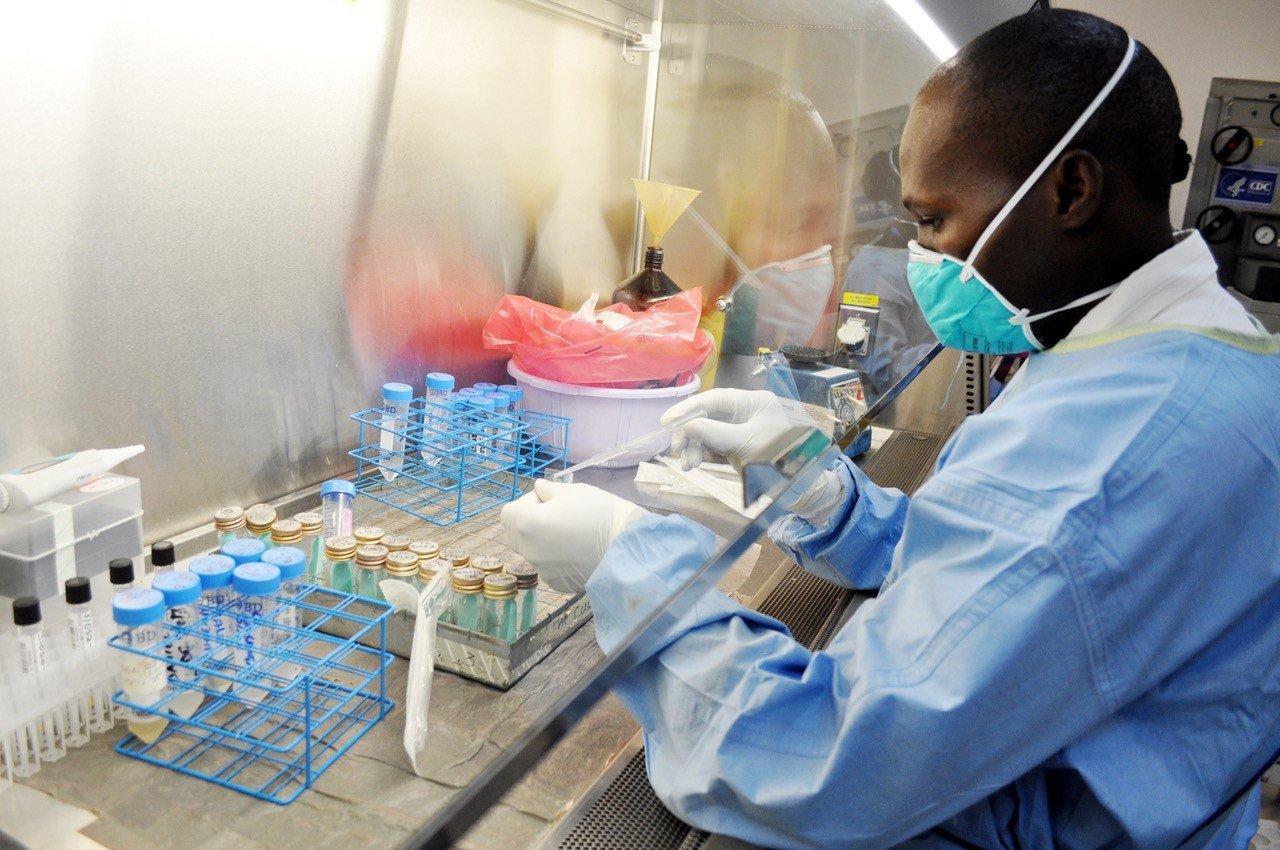
Dr Godfrey Ojok, the Deputy Director of Community Health Services at St Mary’s Hospital Lacor, acknowledged that TB diagnosis in major health facilities in the sub-region has remained a challenge.
Dr Ojok explained emphasised that every health worker should take it upon him/herself to look for a person who has TB symptoms, identify, isolate them and screen them as part of their responsibility of saving lives.
“We should do our part, but the community should also help us. If you identify a person with TB symptoms, bring them to the hospital early. Avoid self-medication; this has the highest contributor to low case detection,” Dr Ojok warned.
“Make sure you avoid local herbs; instead of coming to seek treatment, people first go to churches for prayers, which can come alongside medical services if you access services earlier; you can be supported,” he added.
Dr Philip Okot, the Regional TB/Leprosy Focal Person for the Acholi, said: “Sometimes, the challenge the health workers are facing is lack of transport to reach homes of TB patients which are usually far and they cannot foot.”
According to him, they managed to collect more than 200 samples within a week during last month’s Community Awareness and Screening to curb TB spread (CAST) campaign across the districts, with at least 140 samples turning positive.
Daily Monitor established that of the 140 positive samples, seven were from Gulu District, 15 from Gulu City, Kitgum had 29, Lamwo 10, Nwoya, 18, Omoro, 22, and Pader 48.
The statistics, according to Dr Okot, indicate that many people are dying silently with TB at home.
“In terms of percentages of TB notification (positive cases) between January and March 2023, Agago had 72 percent, Amuru 70.5 percent, Lamwo 108 percent, Nwoya 58 percent, Omoro 92 percent, Gulu City 120 percent, Pader 92 percent and Gulu District 75 percent, while the region’s average ranked at 86.8 percent, that it is very high,” Dr Okot explained.
For More News And Analysis About Uganda Follow Africa-Press