Africa-Press – Uganda. Uganda needs over $390bn investment to achieve 100% renewable energy target by 2050- study
A new study by the World-Wide Fund for Nature (WWF) and its partners has indicated that Uganda would need in excess of $390 billion to achieve its 100% renewable energy target by 2050.
“If we are to go renewable energy 100% by 2050, it means 90% has to be solar energy and only 10% from other sources including hydrogen . To achieve this target of 100% renewable energy, Uganda requires $390 billion of upfront investment,” said Yona Turinayo, the coordinator energy, climate and extractives at WWF.
He noted that by transitioning to a fully renewable energy system, Uganda is expected to have a 60% reduction in the average net present cost of electricity generation whereas the country will replace conventional cooking stoves with electric stoves that will ensure Uganda’s biomass usage remains within sustainable limits.
“This transition is crucial in preventing deforestation and biodiversity loss.”
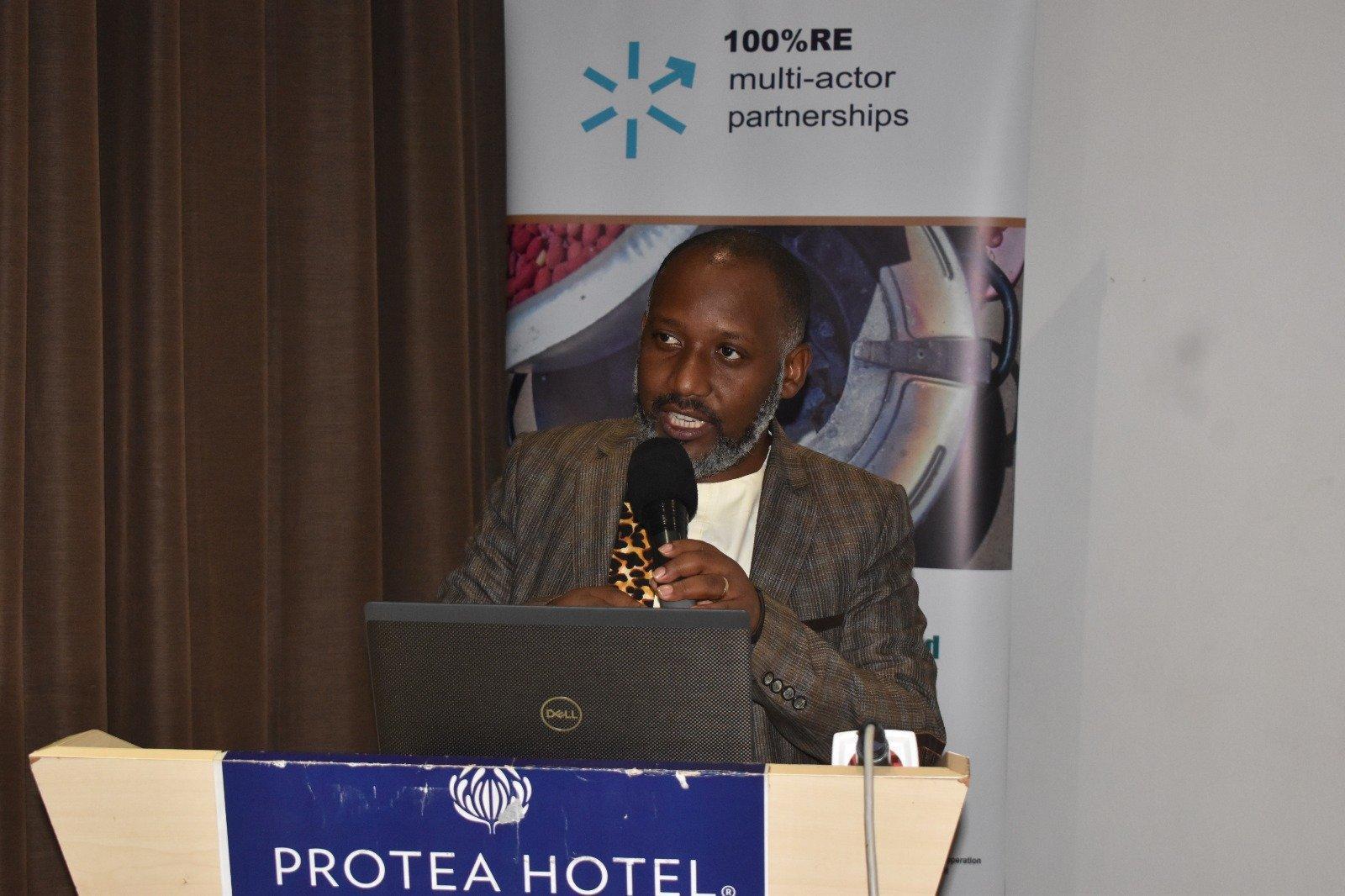
Dr.Nicholas Mukisa, the deputy national coordinator for the National Energy Platform, there are many challenges to Uganda’s energy supply.
“There is heavy reliance on biomass (87.8%), combined with limited access to clean cooking technologies (1% access) which leads to environmental degradation.”
He said building alliances and creating awareness on all levels will lead to a paradigm change in the public’s perception of renewable energy and adopt it.
“Integrating renewables into institutional, economic, social, and technical decision-making processes, while integrating renewable policies with efficiency policies will also help drive the love for renewable energy but also neutralizing the disadvantages and misconceptions about renewable energy will play a great role in ensuring Uganda achieves the 100% target by 2050,” Dr.Mukisa said.
He noted that getting the by 100% renewable energy by 2050 plan as close as possible to stakeholders, engaging closely and helping people to understand their roles as the country transitions to leaner sources of energy will be impactful.
He also emphasized the use of sustainable biomass by Ugandans.
“Many Ugandans have for long known the use of charcoal and firewood but must take into consideration the next generation. With sustainable, you need to plan the way you use biomass. Beyond the familiar charcoal and firewood, one can use briquettes, bio fuels like bio ethanol which cooks like gas but clean and safe. These are alternatives we should look into,” Dr.Mukisa advised.
“The transitional will not be the same across all levels considering the level of incomes. There is need for sustainable use of fuels rather than encroaching on forests. Wee have lost tremendous volumes of area cover for forests but we now want to ensure people restore forest cover.”
For More News And Analysis About Uganda Follow Africa-Press