Africa-Press – Uganda. Seven days ago, I called my aunt Dorokasi on the phone to have a casual banter, mostly to hear her crazy laughter. Soon the conversation turned to Christmas as expected.
She told me she had just plastered her floors and walls for the big day, and that she was on the way to the village Sacco to pick up her Christmas money.
She partly needed that money to take her millet to the milling machine in time. Luckily, someone had erected a milling machine in the village, so she didn’t have to walk 12 kilometres (round trip) to the nearest town and back.
By the time I got off the phone, it occurred to me that Christmas in the countryside is such a big deal.
Christmas in the countryside is always a culmination of so many endeavours, all aimed at making the day extra special, which makes it more worthy of celebration. I will attempt to show you how this is so.
Christmas Eve
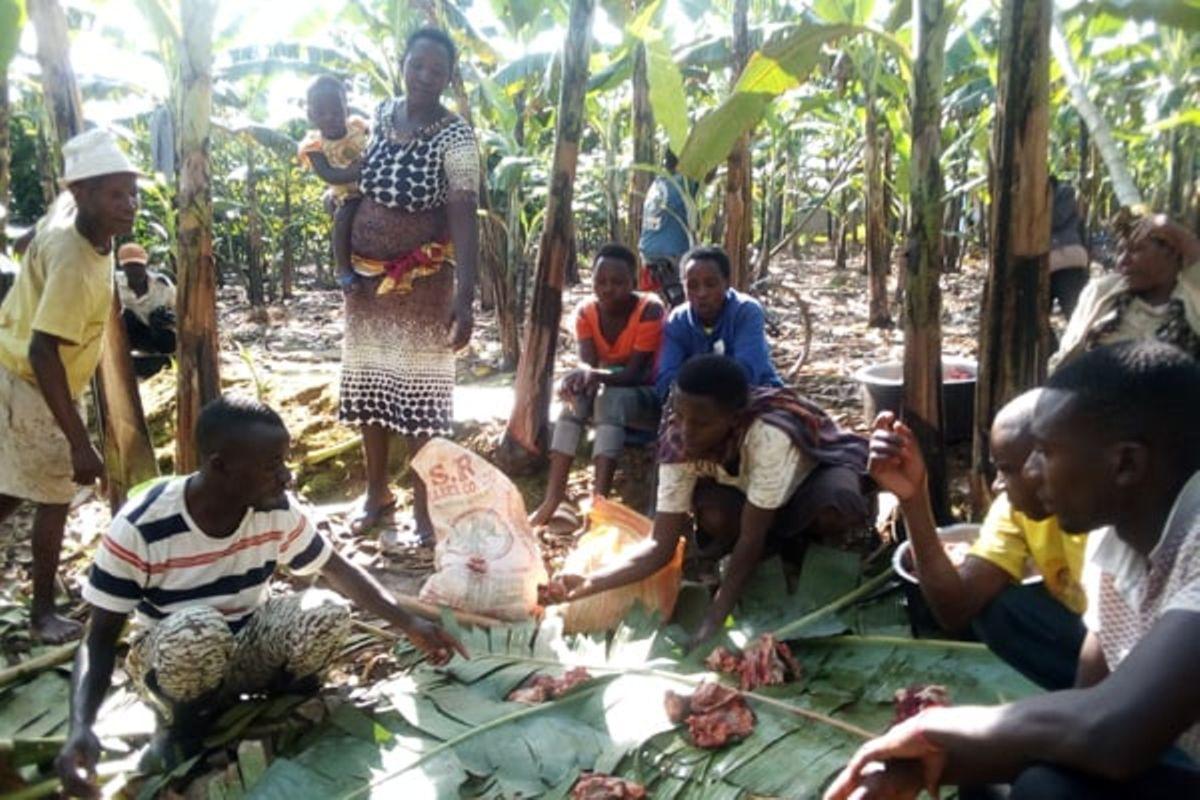
Christmas Eve is “the day of meat” in the countryside. Butchers in the trading centres sell all their meat by midday. Temporary butchers are erected under trees in deeper villages to cash in on the crazy demand. But that was not all.
Some associations formed at the beginning of this year just to pool money to buy a cow or goat for Christmas.
The animals are slaughtered and equally shared by those who pooled money since January.
Note: This meat is only insurance just in case the big day arrives and finds you in financial hardship. This means that the distributed meat is only half of the meat most families have at their disposal. Christmas is a carnivore day.
The night before Christmas is a time when the night angels go to every home to spread Christmas joy through song. The church sends a choir through the village to sing about Christ’s birth at every door. The choir is tipped with chickens and money.
Last week
The past seven days have been the busiest in the countryside. Aside from travelling to the last open market to buy new clothes for the family, here are the activities that occupied people’s time and creativity.
Brewing
At the beginning of last week, people in most areas in the east, West Nile, and the north started the long process of making kwete, a local brew. They needed five to seven days before Christmas so that they would cash in on the great celebration.
They mixed maize flour with cold water and stored it for fermentation no later than Monday last week. Three days ago, they boiled the fermented concoction and applied yeast to it, and stored it again. Two days ago, the brew was ready for consumption, and today, it has that extra kick. Lots of laughter that happens today is partly attributed to this drink.
In the western and central regions, the process started a little earlier. About 10 to 12 days ago, the right type of bananas were harvested, warmed in the sun, and buried. About five days ago, the bananas, having ripened, were squeezed by way of stomping on them in a dugout boat, to make juice.
On the same day, five days ago, that juice was mixed with ground roasted sorghum and buried in the ground for fermentation. Two days ago, a steaming hot brew named tonto was pulled out of the ground and stored for aging.
Today, yours truly is probably enjoying tonto in a little calabash container, in Kyamakanda Village, somewhere in Rukungiri District.
Beautifying the home
But that was not all that people in the countryside did in the last seven days. They also gave their floors and walls fresh plaster.
The floors were smeared with a special plaster of red earth reinforced with cassava (in the north) or cow dung to make it extra sticky and durable.
The walls were plastered with carefully chosen sand, reinforced the same way for the same reason as above.
And an extra mile was taken to decorate the walls with a dye made from charcoal mixed with some herbs.
Today, the house is not only clean and fresh, it smells like Christmas. All thatched roofs were given fresh grass or papyrus reeds just for the big day.
In the last month, villagers rushed to buy cows for Christmas before prices rose astronomically. They had been pooling money since January so that they could jointly buy a cow and share the meat on Christmas.
Last month, they found the right cow at the right price and bought it. They entrusted it with one member for fattening. They spend the last 30 days feeding it and protecting it from thieves.
The best-looking bunches of matooke were earmarked for Christmas and supported with yoked sticks to keep them from falling due to heady wind.
12 months ago
A group of people came together and started a monthly contribution to buy a Christmas cow or goat. In the countryside, you start planning for the big day on January 1. Yes, it is that big of a deal. Merry Christmas.
Christmas – Church
When the time for the church service/mass comes, the small village church is so packed, that some people pray from under trees outside. Christ must be worshipped on Christmas no matter what. After all, it is His day.
What makes Christmas church extra special is all the pageantry, mostly orchestrated by the sons and daughters of the soil who have come back from major cities with their overdressed children to celebrate with the people they grew up with.
The churchyard is awash with shiny cars, a welcome sight to the children of the village who barely ever see any cars the rest of the year. Nothing beats the vibe in a village church on Christmas.
And when the parishioners go back home, having worshiped Christ, it is time to celebrate Him by overeating and overindulging in alcohol and painting the village shops red.
Source: Monitor
For More News And Analysis About Uganda Follow Africa-Press