Africa-Press – Uganda. Last week, Gulu District Veterinary department declared a quarantine on cattle in Paicho and Awach sub-counties following the outbreak of Black Quarter disease.
The quarantine came after the disease claimed at least 50 head of cattle.
Mr Simon Otema, the district assistant veterinary officer, said the ban on the movement of animals into and out of the two sub-counties was the only option to contain the spread of the disease.
“We are also doing a lot of sensitisation in these areas to teach the population about the severity of this disease and the dangers of eating carcass of animals that die of the disease,” he noted.
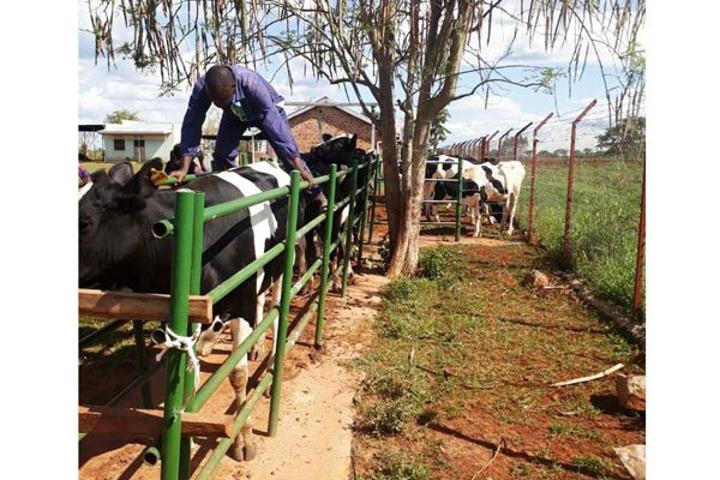
The district communications officer, Ms Gloria Aloyo, said they have embarked on vaccination of animals in the affected areas.
“Right now they have embarked on the vaccination of animals in the two sub-counties at a cost of Shs5,000 per cow because the government doesn’t have a budget to provide vaccines for Black Quarter to farmers at a free cost,” she said at the weekend.
The ban also means that trading in livestock within these areas is prohibited, Ms Aloyo said. “We call upon farmers to work with their veterinary officers on the ground so that they can vaccinate their animals while the situation is monitored,” she added.
The ban, however, comes at a time when trade in livestock was starting to boom in the area at the onset of the rainy season, according to Mr Raymond Ocan, a cattle keeper in Cwero Village, Paicho Sub-county.
“The quarantine is a big blow to us because the months of April, May, and June are when we offload to the market animals that we have been fattening in the past year. That means we have been locked out,” Mr Ocan said.
Mr Chris Oboma, another farmer in Paibona, Awac, said he has lost about three head of cattle to the infection.
Farmers speak out
“If we had veterinary extension service providers frequently monitoring our villages, we would not have lost many animals like this, and that is our major problem, these workers are always not there to guide and advise farmers,” Mr Oboma said.
He noted that the disease was first reported in Arut Central Village, Paicho Sub-county, after a cow died under mysterious circumstances.“We would find the cattle dead and think they had been poisoned because even the meat would be black until we were told that it’s a disease,” Mr Lapaka added.
Mr Simon Otema, the extension worker in-charge of Awach and Paicho sub-counties, explained that the animals which die as a result of the disease must be buried and warned the locals against eating such meat. The livestock ban in Gulu comes at a time when other parts of the country are under similar animal quarantines over foot and mouth disease.
Authorities in Kiruhura District last week issued a total ban on the sale and movement of livestock and livestock products in the area in a bid to stop the spread of Foot and Mouth disease (FMD). The same has already been slapped on Sembabule, Nakaseke, parts of Ibanda, Mbarara and Kashaari districts.
About disease
Black Quarter or Blackleg is an acute, highly fatal disease of cattle and sheep characterised by septic swellings, commonly affecting heavy muscles (clostridial myositis).
The organisms are ingested, pass through the wall of the intestinal tract, and after gaining access to the bloodstream, are deposited in muscle and other tissues (spleen, liver, and alimentary tract) and may remain dormant indefinitely.
Most cases are seen in cattle from 6–24 months old, but thrifty calves as young as 6 weeks and cattle as old as 10–12 years may be affected.