Africa-Press – Uganda. Government has reduced the budget for the implementation of the Parish Development Model from Shs490 billion to Shs200 billion for the first phase because of shortage of funds.
The money is to be shared across all the 10,460 parishes for the preparatory phase in the first quarter of the next financial year
The initiative is the latest of government attempts at lifting the nearly 68 per cent of households from subsistence economy to commercial production to reduce poverty.
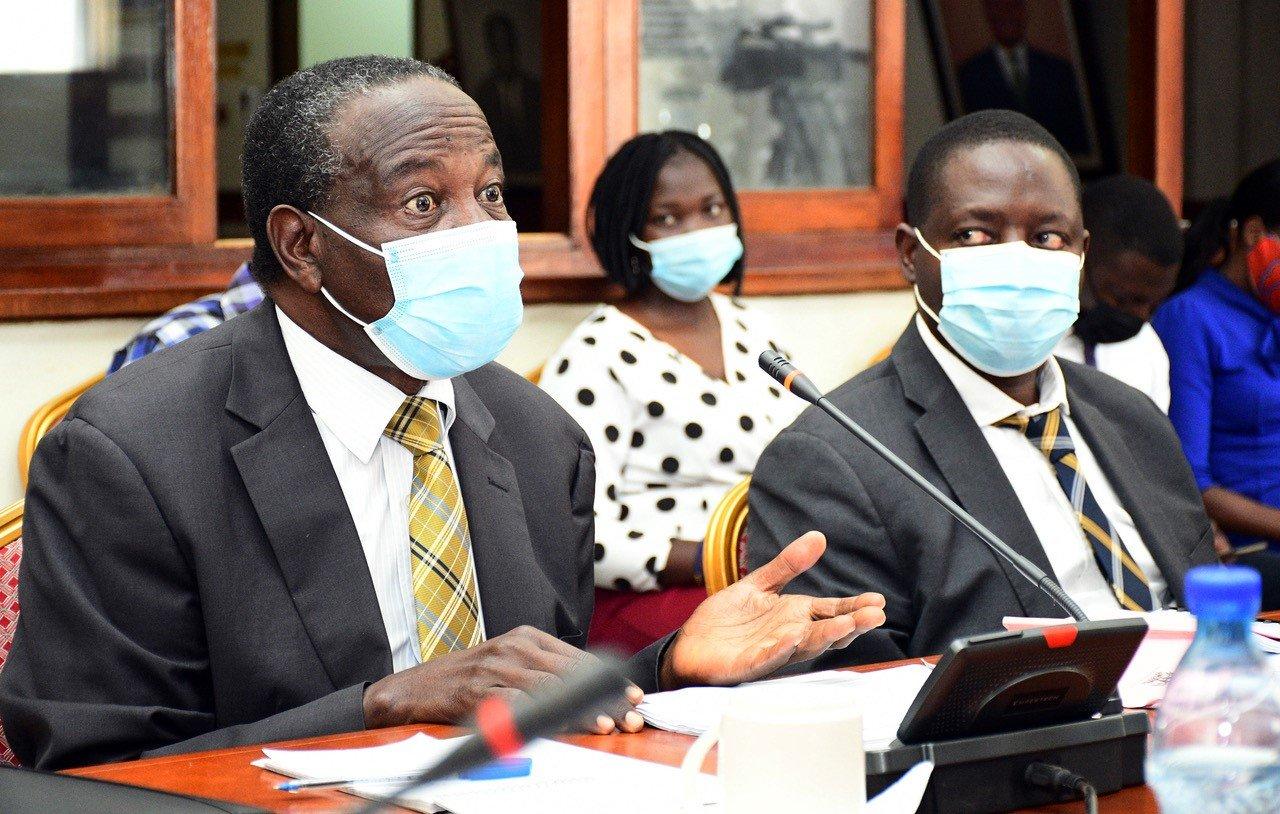
Finance minister Matia Kasaija told lawmakers on the Budget Committee of Parliament on Friday that the resource envelope reduced because some targeted funds that were to be pooled were withdrawn.
Money from the Uganda Women Entrepreneurship Programme, Youth Livelihood Programme and Emyooga funds, that had been included in the Parish Development Model, have been excluded from the plan.“The sticking point now is where we get the resources to begin implementing the parish model. We thought that all these wealth funds should be brought in a pool but you had the outcry of the ladies, who said ‘our money never’…we agreed not to touch the money,” Mr Kasaija said.
The Minister of State for Planning, Mr David Bahati, said: “New resource might not be possible to raise the initial Shs400 billion budget. So we need a middle ground where we can do half of the work with the existing funds and get more resources.”
The lawmakers, however, questioned if the programme had been redesign to fit the new budget. “When you say you are reducing it, it significantly changes the whole sector. How have you now redesigned it?” Mr Kefa Kiwanuka, the Kiboga East MP, asked.
Kachumbala County MP Patrick Isiagi Oplot suggested that some money be drawn from the budget of the Ministry of Finance, which was rejected by both the committee and ministers.
“Some people were suggesting we cut from other sectors but we have said no,” Mr Kasaija said.The committee chairperson, Mr Amos Lugoloobi (Ntenjeru County MP) said it is important that the implementation should be rolled out but tasked the Finance ministry to conduct further studies to ensure the programme does not fail like previous initiatives.
Some of the activities to be undertaken include preparing parishes to receive the funds, recruit chiefs, operationalise the Parish Development Committees, who will be in-charge of the funds, and establish the Saccos and other activities.
“We agreed that we are addressing things from the top. Money goes to the district and never percolates to the people in the village. Because we were not reaching that person we need to impact, we decided the best way is to focus on a parish because it is a small unit and the leaders know who is not working for money. The first quarter is for mind-set change.,” Mr Kasaija said.
The issue
Explaining duplications in budget, Finance minister Matia Kasaija dismissed claims that ministry officials tried to siphon off money through budget allocations.
The budget came under scrutiny after some items and allocations appeared numerous times. The ministry presented a new cleaned document and attributed the duplications to a technical error in the system.
“There are no duplications. I could say those who set the computer made an error, there is no excess money at all,” Mr Kasaija said.
In the new document, the ministry explained that the allocations made for activities like procuring, coordinating, supervising and monitoring Ministry of Health and fitness activities, football, athletes, netball, volley ball, swimming, chess and other games, activities, that fall under the health and education sectors, was due to a shift to programme approach to budgeting, with the ministry overseeing all other sectors.