Africa-Press – Uganda. Academic and political analyst Idd Kasozi has defended the involvement of religious leaders in political discourse, arguing that faith leaders have a duty to speak out against injustice.
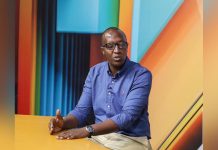
Speaking on Morning Breeze on **NBS Television> during discussions marking the commemoration of Janani Luwum, Kasozi rejected calls for clerics to stay out of politics. He said attempts to draw a “thin line” between religion and governance are often intended to silence moral voices.
“There is no way in faith you can separate politics from religion,” Kasozi said. “Politics is a small portion of what is religion.”
He criticised political leaders who urge clerics to confine themselves to preaching and wealth creation, arguing that religious teachings require believers to confront wrongdoing.
“When we see negativity happening to a group which is not ours, we are not supposed to keep quiet,” he said. “If it is being instigated by a politician, then we are supposed to counsel them and if necessary, speak against it.”
Citing Islamic teachings, he added that confronting injustice is an obligation, even if it means speaking out when direct action is impossible.
His remarks come amid renewed debate over the political significance of Luwum’s legacy. The archbishop was killed in 1977 during the rule of Idi Amin after protesting alleged human rights abuses.
Kasozi described Luwum’s legacy as “emotional, sensitive and controversial,” urging Ugandans to treat the commemoration as a moment for deep national reflection rather than symbolic observance.
“It is not enough for people to gather, waste resources, and then tomorrow repeat the same mistakes,” he said. “The right thing should be done.”
He questioned whether official ceremonies and public holiday recognition are sufficient, arguing that genuine commitment to justice matters more than symbolism.
He also suggested commemorations may sometimes be used for political positioning, particularly in regions historically associated with opposition politics.
Kasozi urged Ugandans to reflect on the broader circumstances surrounding Luwum’s death and warned against oversimplified narratives.
“The end result was death,” he said. “If things become tough again, we could see many other deaths.”
He emphasised that religious leaders must remain vocal in confronting injustice, saying silence in the face of wrongdoing would amount to a betrayal of faith.
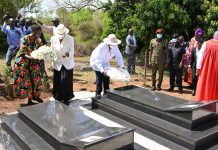
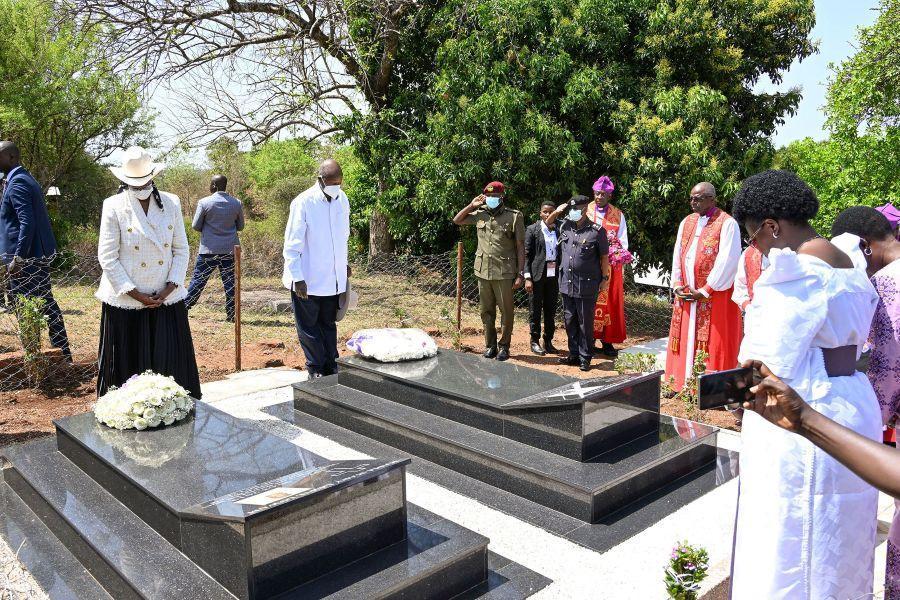
Uganda commemorates Luwum every February 16; 2026 marks 49 years since his death. Honoured globally as a Christian martyr, he is memorialised with a statue at Westminster Abbey, while national prayers and pilgrimages to Mucwini in Kitgum District continue to mark his legacy.