Africa-Press – Uganda. Government borrowing to finance public investments is an essential part of any country’s macro-economic tool kit and Uganda is not any different.
The government has been borrowing both externally and domestically to meet public expenditure both development and recurrent.
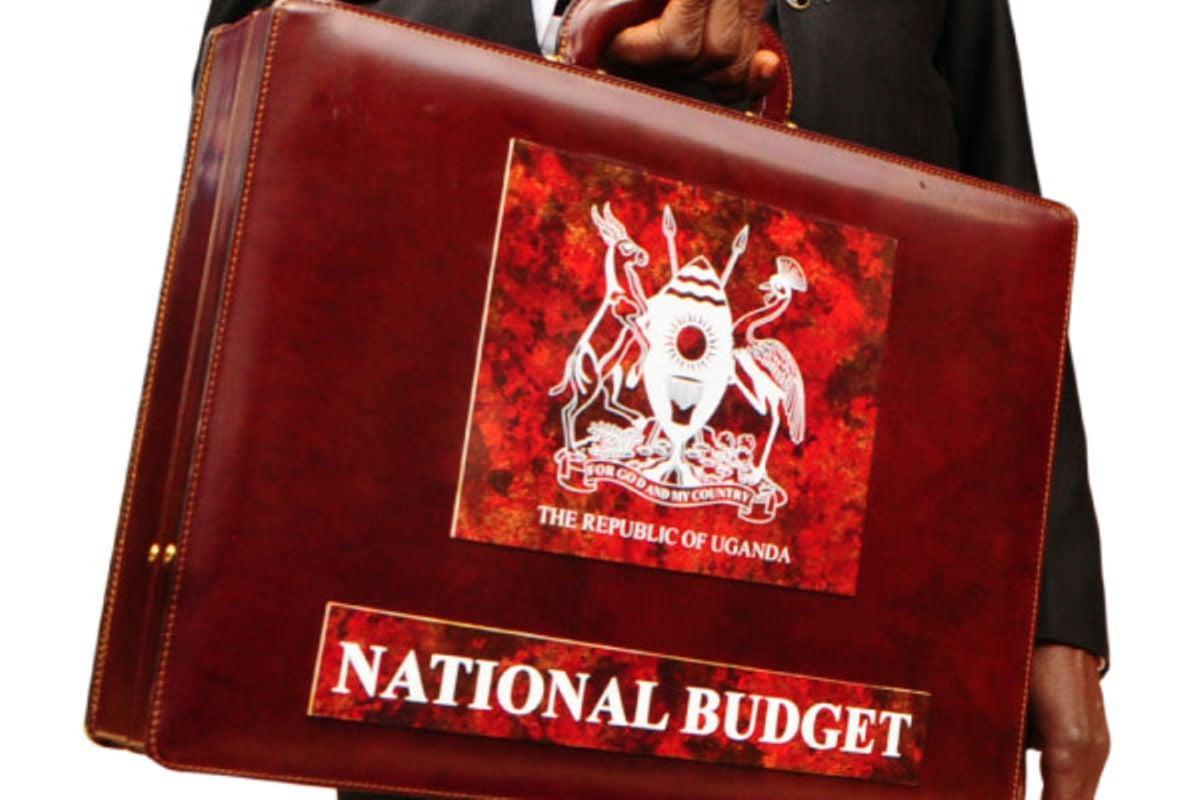
Today, the Ministry of Finance, Planning and Economic Development, Mr Matia Kasaija is expected to read the Shs52 trillion budget for the fiscal year 2023/24, and in this article, we track for you the rise in Uganda’s public debt over the last 10 years.
Total public debt was Shs13.5 trillion in June 2012 (19.2% of GDP) and gradually rose to over Shs80 trillion at the end of FY21/22 (49.1% of GDP).
The executive director of research at Bank of Uganda, Dr Adam Mugume said that the need for resources to finance public expenditure in critical sectors of the economy forces the government to borrow to close the fiscal deficit gap.
He estimated the public debt to rise to about Shs90 trillion by the end of FY22/23.
Although the public debt has been rising, it has not been in tandem with the rise in revenue collection over the last 10 years.
Dr Mugume said tax revenues rose from Shs6.5 trillion in FY2011/12 (about 9.3% of GDP) to Shs20.4 trillion FY21/22 (about 12.5% of GDP) and is estimated to rise to about Shs23.5 trillion in FY22/23.
Explaining the reasons why public debt and domestic revenue collection have behaved that way, he said it’s largely because tax revenues have been insufficient to finance government expenditure.
“Ideally, to finance activities that spur economic development, governments incur debt. Even if the state lives forever, debt can’t be accumulated forever. Which means that government expenditures supported by borrowing should be able to generate sufficient tax revenues to service the debt in addition to increasing national income,” he said.
Dr Mugume added: “The rise in debt therefore isn’t unusual. What should be a concern is if tax revenues as a share of GDP remain static. Meaning that the country isn’t collecting enough tax, either through revenue leakages or through tax exemptions.”
On the way forward, Dr Mugume said: “Indeed, the fiscal deficit/GDP is projected to decrease from 7.4% in FY21/22 to 5.1% in FY22/23 and will decline further to 3.5% in FY23/24. Moreover, this is striking a right balance between providing near-term support to the economy and ensuring that debt remains on a sustainable path over the medium term.”
He added that this will require compensating for any under-performance of tax revenues by curbing non-priority expenditures.
“In other words, in the event of a tax revenue shortfall, the government would need to reduce its expenditure proportionately. This requires expenditure efficiency measures and building fiscal buffers,” he pointed out.
Dr Mugume, however, credited the government for taking revenue-increasing measures, including; tax exemptions, rationalization and administrative measures. He said these are the measures contained in the Domestic Revenue Mobilization Strategy (DRMS).
For More News And Analysis About Uganda Follow Africa-Press