Africa-Press – Uganda. On Monday, Senior House officers (SHOs), sometimes known as specialist doctors, went on strike over government’s failure to pay their allowances for more than four months.
According to Dr Robert Lubega, the president of the SHOs, their attempts to engage the various government agencies over the matter where futile, leaving them with no option but to lay down their tools.
“We have written letters, but no one responds. You call people and they do not pick. We send them WhatsApp [messages] but no one responds. So, we cannot take back empty words to our colleagues and tell them, ‘you angry people, we have called off the strike,” an emotional Dr Lubega told Parliament’s Health Committee this week.
It should be noted that SHOs are qualified senior medical doctors duly registered with the Uganda Medical and Dental Practitioners Council, who are undergoing postgraduate work-study training to become specialists.
As acknowledged by the Ministry of Health, SHOs supplement the provision of medical services and them downing their tools should not be taken lightly.
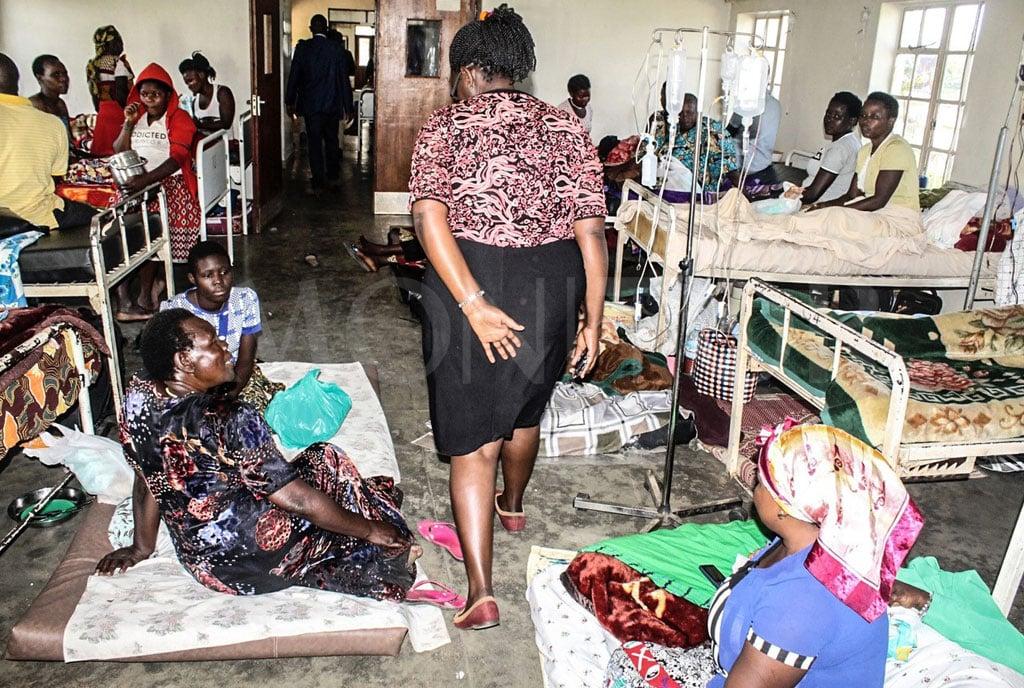
Uganda is already grappling with a shortfall of 19,741 health workers to fill the service gap in hospitals. There are 57,207 health workers, who are less than the required 76,948, according to the 2020/2021 Health Sector Performance Report.
On February 20, Dr Diana Atwine, the permanent secretary in the Ministry of Health, said the unpredictable number of SHOs that the ministry receives every year has made it hard for the government to plan for them.
Unfortunately, however, the strike by the specialist doctors is not an isolated case. Just last month, more than 1,700 medical interns threatened to lay down their tools if their allowances were not paid. Like SHOs, the interns have not been paid since October.
Last year, Uganda Nurses and Midwives Union members went on strike over low pay. Around the same time, doctors under their umbrella body UMA, threatened to strike if government did not fulfil the promised salary increment in the coming financial year.
That was preceded by a strike by about 30,000 allied health professionals who went on strike over low pay and poor working conditions. In November 2021, about 10,000 medical laboratory technicians went on strike because of low pay and failure to absorb their degree, masters and PhD holders in public service, among other reasons.
So the trend points towards a much deeper problem in Uganda’s health sector. Much as government is trying to resolve the salaries part, the people responsible should move fast and address the perennial strikes in the health sector.
For More News And Analysis About Uganda Follow Africa-Press