By Faridah N Kulumba
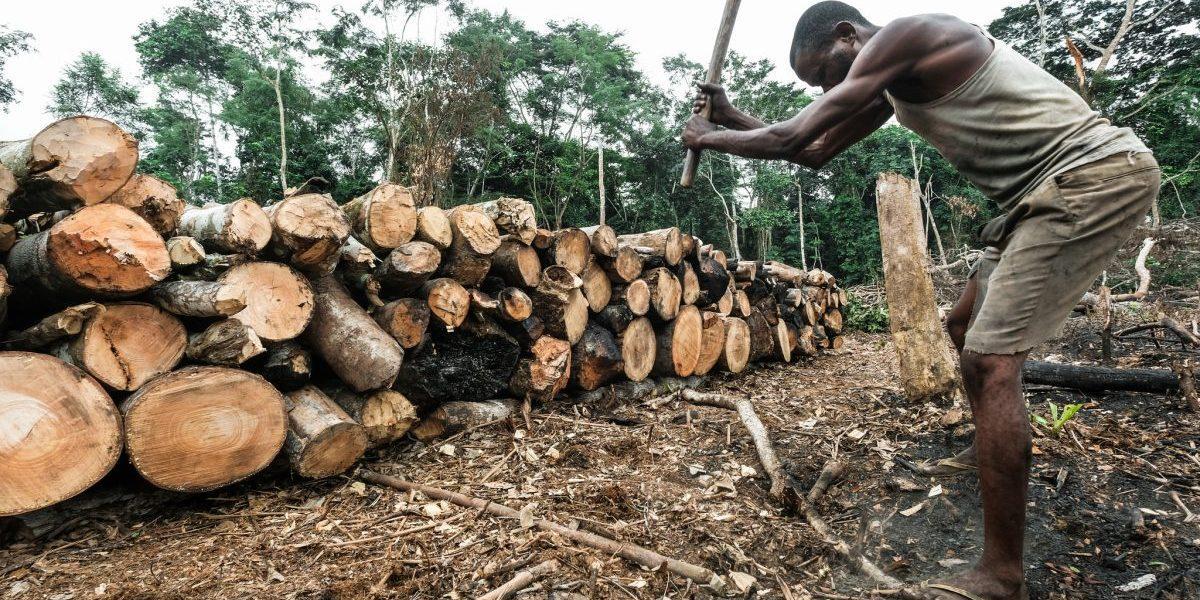
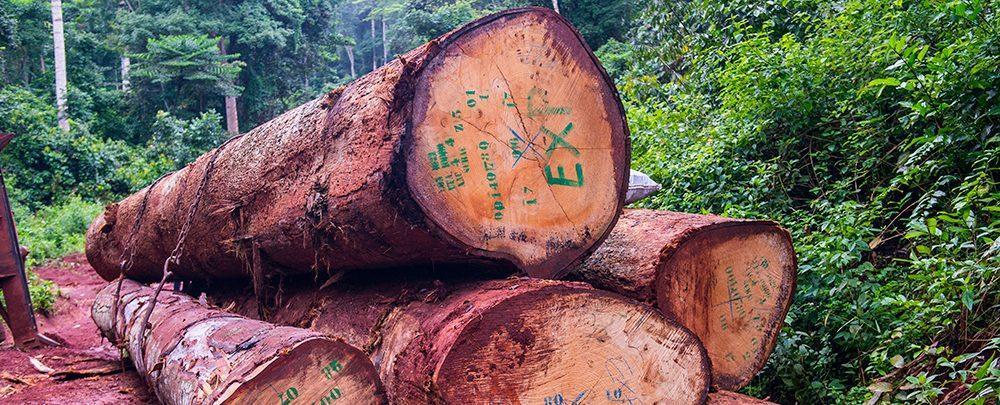
Africa-Press – Uganda. The recently released comprehensive probe discloses how criminals in East Africa exploitation of conflicts in the Democratic Republic of the Congo’s (DRC) north-east, to allow the trafficking of its protected hardwoods. The research was conducted by the Pulitzer Centre Rainforest Investigations Network, in collaboration with The Africa Report. The team launched an exclusive four-part investigation into timber trafficking in East Africa, spot-lighting Uganda’s role in this regional crisis.
The rackets
According to the investigations the key East African Community economies, including Uganda, Kenya, Rwanda, and Tanzania are found to benefit from this illicit trade, contradicting their environmental commitments. The highlighted economies are all benefiting from this timber trafficking and flagrantly breaking their environmental pledges. The illicit trade is facilitated by influential figures linked to security services and politicians across East Africa, including Uganda. They play a pivotal role in ensuring the failure of border controls, allowing this illegal trade to flourish, according to the investigation. Corruption is rampant, with loggers and truckers greasing the wheels at border checkpoints and acquiring falsified certificates of origin for substantial fees. Dealers in this illicit trade use corrupt payments to border checkpoints to oil the wheels of the trade, where fake certificates of origin are produced for a large fee.
Effects of Timber Illegal Trade on DR Congo
This timber smuggling operation poses a significant threat to the Congo basin’s ecology and its role in the global fight against uncontrolled climate change. Over 90 percent of the timber traded through Congo Park had no legal logging permits, according to the Centre for International Forestry Research.
Uganda denies accusations
While reacting to the recently conducted investigation into the timber smuggling from DR Congo by the neighbouring countries, Uganda government officials unanimously denied any involvement in the smuggling of timber from DR Congo. Mr. Fred Enanga Uganda’s Police spokesman said that the government has not received any such information about the smuggling of timber from DR Congo. Also, Felix Kulayigye, the Uganda People’s Defense Forces (UPDF) spokesman said that the UPDF is not aware of any such smuggling activities unless there is concrete evidence to support these claims. Tom Okello, the executive director of the National Forestry Authority (NFA), also refuted these allegations. “As the NFA, we are unaware of any timber smuggling activities from Congo. The only recognized market for Congolese timber that we know of is in Mpondwe. There, timber is legally sold, with revenue paid to the Uganda Revenue Authority (URA) for its importation into Uganda. We haven’t heard of any other markets, legal or illegal, for timber besides Mpondwe,” he explained.
Water runs dry
In 1999, DR Congo petitioned the International Court of Justice (ICJ) accusing Uganda’s armed forces of destroying properties, lives, and natural resources when it invaded the country in 1998. In 2005, the International Court of Justice ruled that Uganda had violated international norms as an occupying force between 1998 and 2003. The judges found that Uganda was responsible for the deaths of 10,000-155,000 Congolese in the eastern Ituri region. Ugandan troops were also found guilty of looting gold, diamonds, and timber.In February 2022, the United Nation’s highest court ruled that Uganda should pay DR Cong USD225 million for loss of life, USD40 million for damage to property, and USD60 million for damage to natural resources. The ICJ ordered Uganda to compensate DRC USD325 million in five annual instalments of USD65 million between 2022 and 2026, starting in September this year. On 1st September 2022, the government of Uganda started payment of USD325 million (about Shs 1.23 trillion) compensation to DR Congo. Uganda paid the first annual instalment of USD65 million in reparation for the invasion and looting by UPDF during the Congo War 20 years ago. The compensation is to be paid in five instalments of USD65 million, starting on September 1st this year and every September 1st for the following years.
Uganda’s dissatisfaction with the verdict
The government of Uganda dismissed the ICJ verdict saying that it was not fair. Uganda’s Attorney General Kiryowa Kiwanuka said there were many troops from different countries involved in the DR Congo conflict, and questioned why Uganda’s UPDF was singled out. This conflict involved forces from nine African Countries, including Uganda, and Rwanda, which supported rebel groups in the mineral-rich east of the DR Congo. DR Congo accuses Uganda of being behind M23 Rebels. In February this year, officials from the government of DR Congo accused Uganda of supporting the deadly March 23 Movement (M23) rebels in the war in the eastern DR Congo. DR Congo and Wazalendo fighters claim that the Ugandan soldiers are fighting alongside the M23, but the UPDF denied these allegations. Over the past two decades, hundreds of millions of dollars of protected African hardwoods have been looted from the DR Congo and smuggled into Kenya, Rwanda, Tanzania, and Uganda. Kenyan business people are the major winners in DR Congo timber trafficking, taking ten times more contraband timber than neighbouring Uganda.
For More News And Analysis About Uganda Follow Africa-Press