Faridah N Kulumba
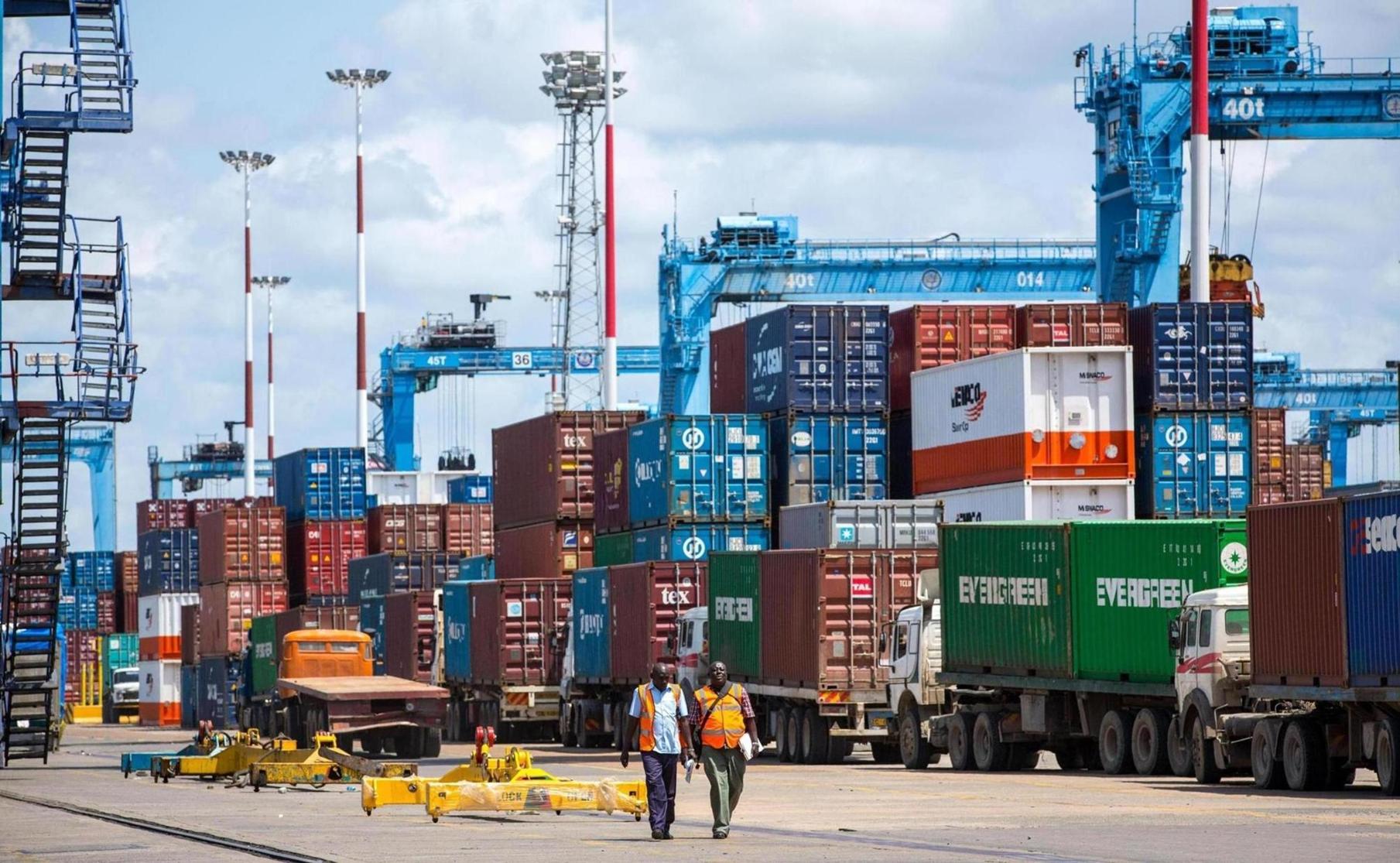
Africa-Press – Uganda. Government officials from Uganda, Rwanda, and South Sudan met with their Kenyan counterparts and discussed issues concerning the Kenyan Mombasa port. In the latest efforts to make the Northern Corridor more efficient and serve landlocked countries to compete with Dar es Salaam port, officials of the three countries in the meeting they had with Kenya agreed on several issues to make them use Naivasha inland container deportations. This follows the government of Uganda’s Energy Ministry revealed last week that it is in negotiation with Tanzania to import all of its oil products through Dar es Salaam, which would mean kicking Kenya out of business. The Northern Corridor stretches about 1,700km from the Mombasa port through Kenya, Uganda, Rwanda, Burundi, and the eastern Democratic Republic of Congo (DRC), while the Central Corridor is estimated at 1,300km beginning at the Dar es Salaam port into Tanzania, Rwanda, Burundi, Uganda, and eastern DRC.
Bolster up
Uganda, Rwanda, and South Sudan have supported Kenya’s move to offer end-to-end logistics services, even as clearing and forwarding agents protested the move that potentially locks them out of business. Kenya Ports Authority (KPA) had opposed the idea, but it has been given a mandate to offer end-to-end logistics services after the government completed procurement of more than 250 railway wagons and entered into an agreement with some transporters to offer last mile services through a tender advertised sometime last year. However, the clearing and forwarding agents argue that this is a return to compulsory railage of over 11.5 metric tonnes of cargo destined for regional countries. This is not the first time the clearing and forwarding agents to brought out this matter, it was a subject of court cases even in the past government.
Reassuring
According to Northern Corridor Transit and Transport Coordination Authority (NCTTCA) executive secretary Omae Nyarandi the policy, if implemented correctly, will serve regional countries better and reduce the transportation distance by more than 1200 kilometres. But he also admitted that there are a number of issues to be addressed first. “In the past, it failed because last mile issues were not addressed but, with some transporters having been picked to do that, it will attract more landlocked countries. However, the issue of how KPA will enter the cargo in a single window system. “We know it’s a tricky move, and several stakeholders have been aggrieved, but we must look at the end results.
Kenyan neighbour’s contribution to transit business
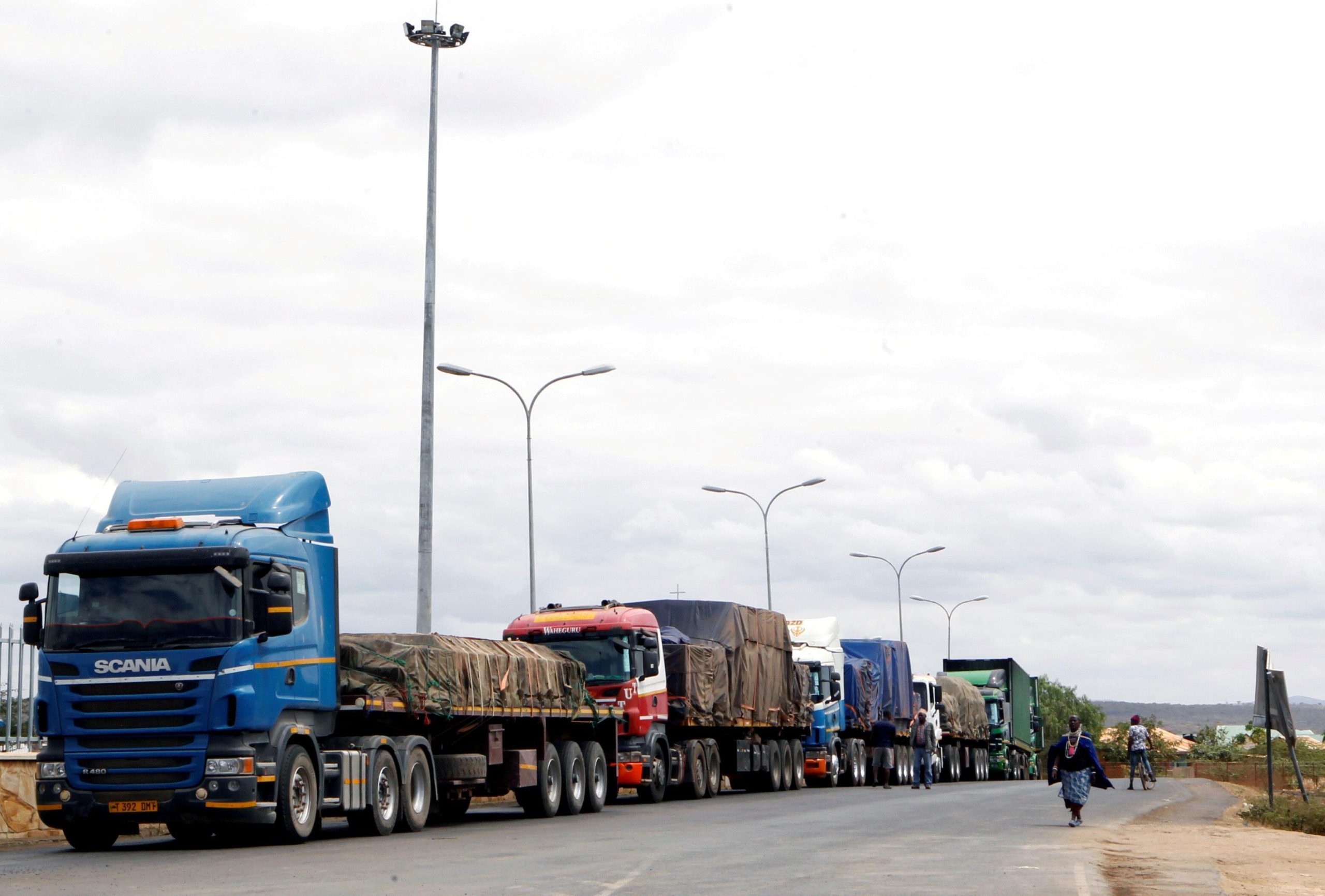
Shippers Council of Eastern Africa (SCEA) head of policy and advocacy Agayo Ogambi said the transit business has great potential since the total transit traffic improved to 11.395 million tonnes in 2023, posting a 1.16 million tonnes growth, from 10.234 million tonnes recorded in 2022. The growth was supported by increased cargo to South Sudan and the Democratic Republic of Congo by 639,177 tonnes, or 50.6 percent, and 548,091 tonnes, or 56.9 percent, so KPA is in a good position to consolidate the transit business. “In principle, KPA may introduce the services as long as the owners agree, the Naivasha ICD facilities are improved and related service providers are at Naivasha ICDN. If the transportation is by road or rail, the services must be reliable, efficient, and competitive. It is not lost the ICDN are meant to bring the Port closer to the Customers,” said Mr Ogambi. In 2023, the volume of cargo handled through the Mombasa port recovered to grow 6.23 percent on the back of the State’s renewed push to improve efficiency amid the looming threat from Dar es Salaam. East Africa’s largest and busiest seaport handled about 35.84 million tonnes of goods compared with 33.74 million tonnes the year before, the data collated by the Kenya National Bureau of Statistics shows. Regional countries are net importers, hence the volume of imports processed at the port outstrips exports by far. The volume of exports throughout the port slowed down, growing 3.71 percent to nearly 4.95 million tonnes compared with 5.85 percent to 4.77 million tonnes the year before.
Will Uganda change Dar es Salaam’s plans
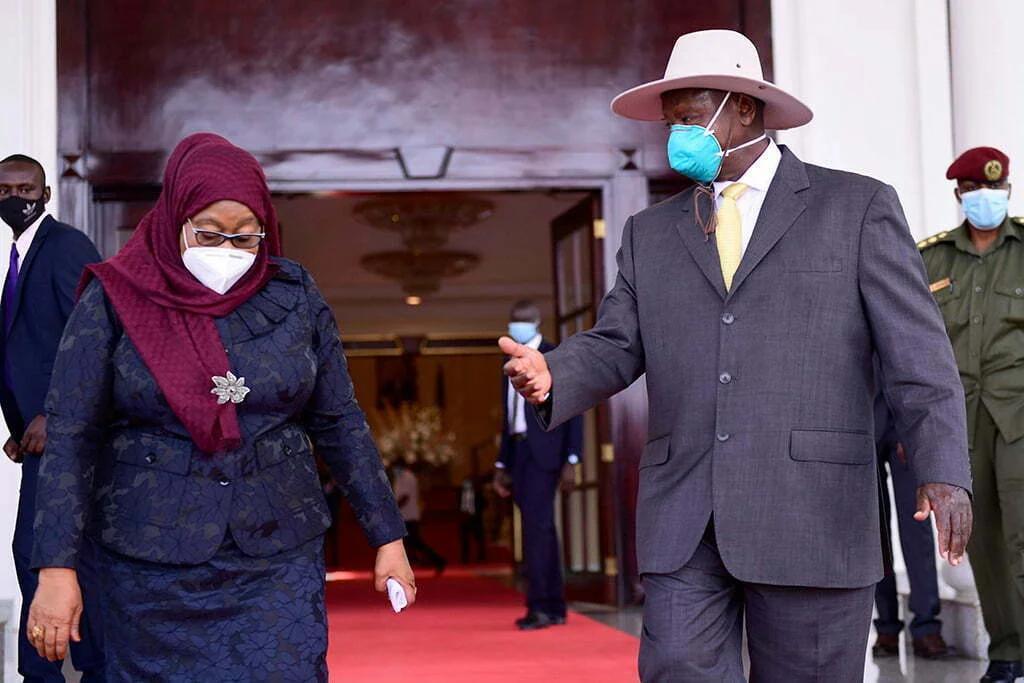
Uganda is negotiating with Tanzania to import all of its oil products through Dar es Salaam. Last week the Ugandan Energy Ministry insisted that the government want to find a route that will keep the country safe in terms of petroleum supplies. If President Samia Suluhu Hassan’s government accepts Uganda’s proposal, Kenya will lose up to USD 100 million it has been earning from handling Uganda’s petroleum and related products per year. Uganda imports an average of 2.5 billion litters of petroleum annually valued at USD 2 billion (Ksh302.34 billion), with KPC handling at least 90 per cent of the cargo.
For More News And Analysis About Uganda Follow Africa-Press