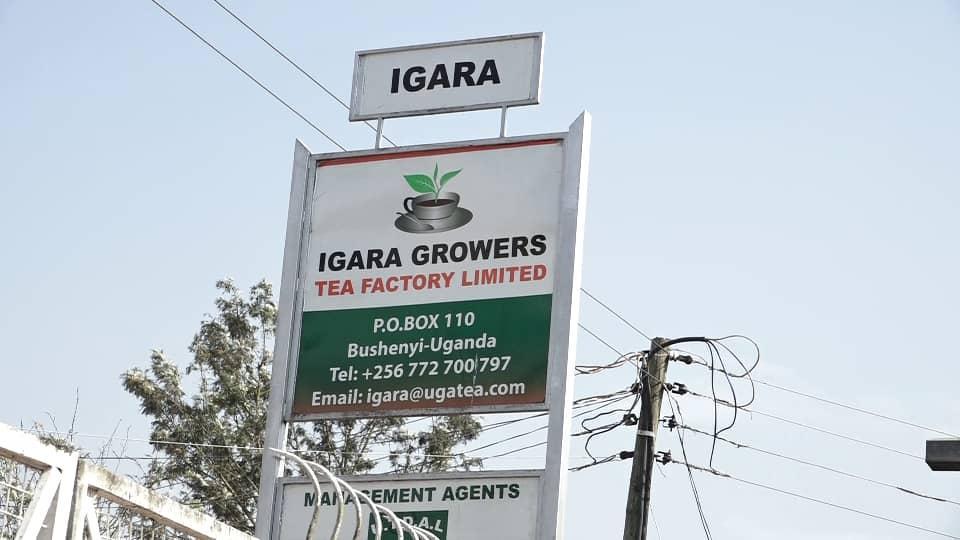
Africa-Press – Uganda. Operations at the iconic Igara Growers Tea Factory in Bushenyi District have come to a halt following a severe shortage of green leaf supply and an ongoing workers’ strike over unpaid salaries and unremitted NSSF contributions.
The factory, one of the oldest tea processing plants in the region, is facing a deepening crisis marked by financial distress, leadership wrangles, and growing discontent among workers and farmers.
For the past four months, workers have gone without pay, prompting protests at the factory premises. The situation is further compounded by unremitted NSSF funds totaling shs 1.6 billion dating back to 2022.
In recent weeks, the factory has also been rocked by a leadership dispute, with two rival factions battling for control—one led by the current Board of Directors chaired by Sam Muhereza, and another interim group headed by Willis Bashasha, who also serves as Director of NRM Manifesto Implementation.
Muhereza attributed the factory’s financial struggles to individuals he accuses of sabotaging its operations by blocking access to bank loans and trade markets.
“It is true the factory is financially struggling, but this is because power-hungry individuals tarnished our name. As a result, we can no longer access financing from banks to run operations,” Muhereza said.
On the other hand, Bashasha accused the current leadership of mismanagement and diverting funds for personal interests instead of steering the factory toward recovery.
“The focus of the current Board shifted from business to selfish interests. Governance is wanting, and the lack of strategic direction has led us to this crisis,” Bashasha said.
The crisis has left workers in dire conditions, with some reporting eviction by landlords and inability to support their families.
Tea farmers, who are also shareholders in the factory, have halted the supply of green leaf in protest over delayed payments, further crippling operations.
“Farmers are struggling with school fees, food, and other basic needs. We cannot continue like this. We demand an Annual General Meeting to elect new leadership and resolve this mess,” Bashasha added.
Trade union leaders warn that workers are also losing potential interest on their NSSF savings due to the factory’s failure to remit funds.
“This factory is in total jeopardy. Workers are losing not just salaries but also the interest that should have accrued on their NSSF contributions,” said Paddy Twesig’Omwe, Trade Secretary for the tea sector.
Efforts by Bushenyi District leaders to resolve the crisis have so far been unsuccessful.
The District Labour Officer, Loyce Atukwasa, confirmed that the factory violated employment laws by failing to pay workers and directed employees to temporarily return home as negotiations continue.
“The factory has clearly violated employment laws. Workers must be paid. For now, there is no business taking place, and it is best they stay home as we engage management on the way forward,” Atukwasa said.
Factory management maintains that operations have stalled because their accounts were frozen by banks, leaving them without funds to run the business.
With billions of shillings needed to clear salary arrears, pay farmers, and settle outstanding bills, the future of Igara Growers Tea Factory remains uncertain, raising fears of a potential collapse of one of East Africa’s once-thriving tea processors.