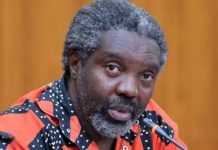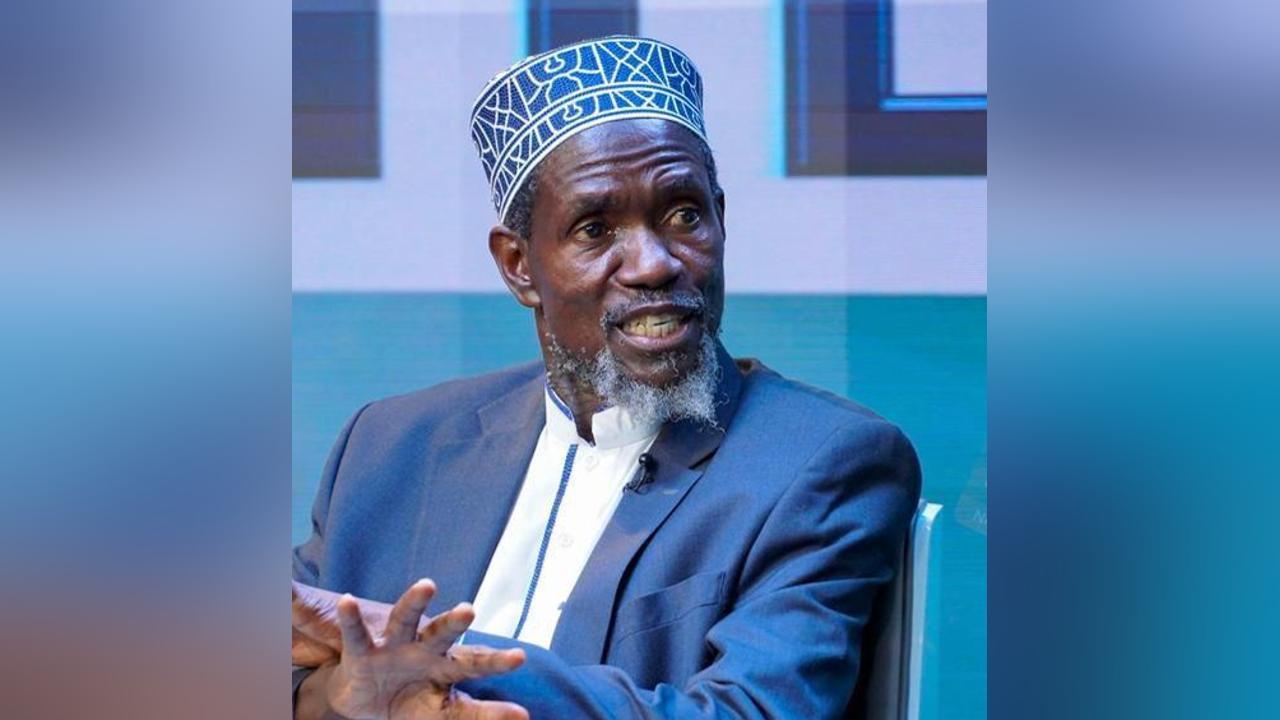
Africa-Press – Uganda. Imam Iddi Kasozi has raised concerns over the priorities and conduct of the recent National Resistance Movement (NRM) parliamentary retreat held in Kyankwanzi.
Speaking during NBS Morning Breeze on Wednesday, Kasozi criticised what he described as a shift away from substantive policy discussions toward political posturing.
“Instead of focusing on what took them there, they chose to trade accusations and counter accusations; some people just wanted to be noticed that they were present,” he said.
He argued that Uganda’s political landscape is increasingly dominated by what he termed “politics of positions,” where leaders prioritise holding office over delivering meaningful impact.
“People are working on politics of positions. They think that in order to do anything meaningful, they should occupy an office,” Kasozi added.
Kasozi also questioned reports that each attending legislator is receiving Shs100 million, a move he said raises concerns about public resource allocation, particularly given the existing remuneration of Members of Parliament.
“According to media reports, a package has been given to the MPs who went to Kyankwanzi. Is this really what we should give to people who we are sure will be earning at least 20 million a month?” he asked.
The retreat, organised by the National Resistance Movement under the leadership of President Museveni, brought together Members of Parliament-elect, returning legislators, and senior party figures.
According to organisers, the retreat was designed to equip leaders with knowledge on governance, legislative procedures, and national development priorities, while strengthening ideological alignment and cohesion within the party.
However, the gathering has also drawn public attention following remarks by Speaker of Parliament Anita Among, who used a metaphor to describe limits of political cooperation.
“We do cooperate with other political parties, but the cooperation doesn’t mean that you come up to my bedroom; you remain in the compound,” she said.
Her comments were widely interpreted as referring to Norbert Mao, leader of the Democratic Party, who attended the retreat.
Mao responded on X, criticising the remarks as inappropriate.
“This is not just bad politics. It is bad manners!” he wrote, adding that respect for political engagement should be upheld.
Kasozi, while referencing such exchanges, noted that the retreat was not strictly a parliamentary sitting but a broader political gathering involving various actors, including those from cooperating political parties.
Despite the criticism, organisers maintain that the Kyankwanzi retreat plays a key role in strengthening leadership capacity, policy alignment, and service delivery within government structures.
Key topics discussed included Uganda’s economic direction, national sovereignty, regional integration, and Pan-Africanism.
The debate surrounding the retreat reflects broader questions about governance priorities, public spending, and the evolving nature of political engagement in Uganda.
For More News And Analysis About Uganda Follow Africa-Press