Africa-Press – Uganda. The recently concluded Uganda 2026 general elections triggered a major political shift in the Kigezi sub-region, with fresh faces emerging to deliver some of the most stunning upsets in the area’s history.
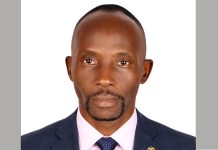
One of the standout victors is Patrick Kiconco Katabaazi, a prominent lawyer and senior economist who had not previously been in the national political spotlight. Katabaazi stormed the National Resistance Movement (NRM) primaries for the Rukiga County Member of Parliament seat, defeating seasoned contenders including South Africa-based businessman Magezi Alex Kanuga, retired army officer Captain Damson Kivumba, former Rukiga District LC5 Chairman Dr. Alexander Kampikaho, Kampala entrepreneur and 2021 runner-up Besigye Laston, medical practitioner Dr. Byamukama Francis, and Kigali-based businessman Musinguzi Kabajje.
While political observers were surprised by his dominance in the primaries, many doubted his chances in the general election against opposition-leaning incumbent Roland Ndyomugyenyi.
Katabaazi, however, proved critics wrong. Drawing on his deep roots within the NRM grassroots structures—rising from village-level leadership to NRM Chairman for Rwamucucu Sub-county and later District Finance Secretary—he ran a highly organized campaign. Working closely with allies such as Woman MP-elect Dr. Sylvia Alinaitwe and NRM Chairman Frank Kyerere, he helped galvanize widespread support that delivered NRM victories across Rukiga District.
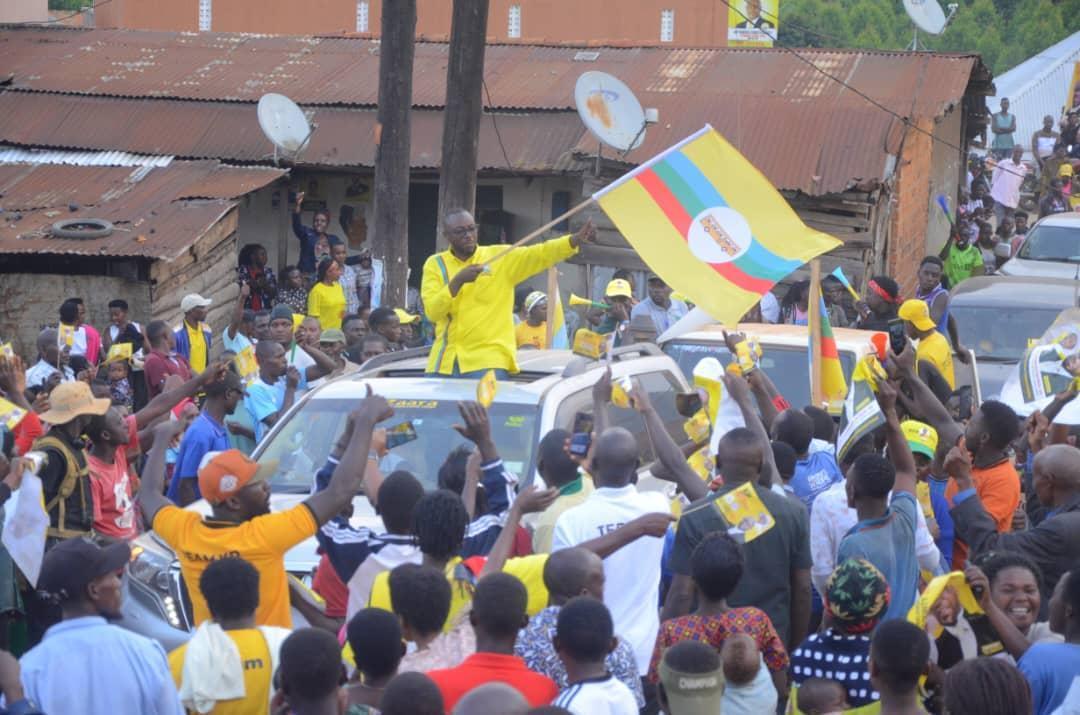
Katabaazi secured an impressive 61.50% of the vote—the highest percentage among constituency MPs in the Kigezi region—cementing his status as one of the sub-region’s most popular politicians. For the first time in Rukiga’s history, a constituency MP won in every sub-county, marking an unprecedented level of political dominance.
In neighboring Rubanda District, State Minister of Finance Henry Musasizi, who represents Rubanda East Constituency, retained his seat with 55.46%. In Rubanda West, newcomer Bruce Balaba Kabasa won with 53.2%.
Another major upset in the sub-region saw Eliab Naturinda defeat long-serving State Minister for Trade David Bahati, who had held the seat for 20 years. Naturinda won with 56.6% in a race described as chaotic and fiercely contested.
In Ndorwa East Constituency, which had long been represented by independent legislator Wilfred Niwagaba, Protazio Begumisa narrowly clinched victory with 50.05% of the vote. Meanwhile, Andrew Aja Baryayanga staged a political comeback in Kabale Municipality, winning with 52.1%.
Rukungiri District witnessed equally dramatic contests. Mathias Mwesigwa Rwabugumi retained the Rubabo seat with just 32.3%—the lowest winning percentage in the region. In Rujumbura, Jim Muhwezi secured 51.7%. In Rukungiri Municipality, a traditional opposition stronghold, Lt. Gen. Henry Tumukunde narrowly won with 53.2%, fending off strong competition, including Ingrid Turinawe of the opposition.
In Kanungu District, incumbent MPs held onto their seats. James Kabareebe retained Kinkizi West with 40.08%, defeating retired police officer Ndungutse and businessman Safari. In Kinkizi East, ICT Minister Chris Baryomunsi won re-election with 52.1%, overcoming LC5 Chairman Sam Arinaitwe Kajojo.
Kisoro District also saw tightly contested races. Eddy Kwizera Wagahungu retained Bukimbiri Constituency with 53.8%, while Roland Nkrumah Kanya won Bufumbira East with 56.67%. In Bufumbira South, Alex Ninyonsaba secured 50.60%. Fortunate Habyara won Bufumbira North with 50.05%, and Sam Byibesho claimed Kisoro Municipality with 55%.
As the Members of Parliament-elect await their swearing-in in May, voters across Kigezi are equally waiting to see tangible service delivery and development over the next five years.