Africa-Press – Uganda. The Executive Director of Kiruddu National Referral Hospital, Dr Charles Kabugo, has urged authorities to establish a specialized burns hospital near emerging oil fields to address the heightened risk of fire‐related injuries during exploration and production.
Appearing before Parliament’s Public Accounts Committee, Dr Kabugo said areas engaged in oil extraction are particularly prone to fire outbreaks, noting that Kiruddu Hospital lacks the capacity to manage a significant surge of severe burn cases.
“Kiruddu Hospital would not have enough capacity to handle an upsurge of burnt patients as seen in other oil exploring countries,” he warned, underscoring the need for specialised emergency care facilities.
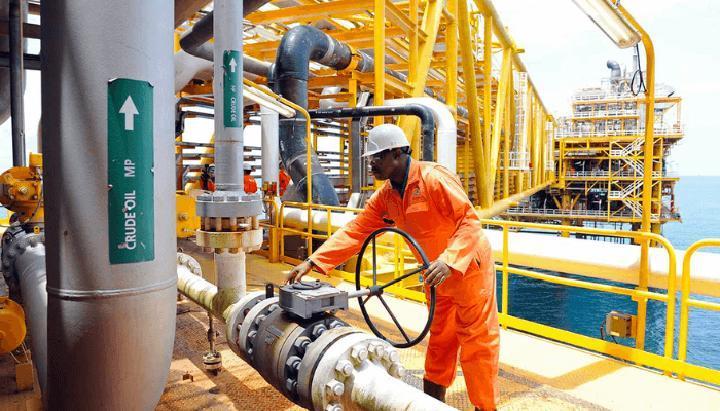
Oil and gas extraction sites are inherently hazardous environments because they involve highly flammable gases and vapours that can ignite from multiple sources, including static electricity, hot surfaces, welding operations, lightning strikes, and mechanical sparks.
These ignition sources can quickly escalate into fires or explosions if proper controls are not in place.
Flammable vapours released during drilling, production, storage, or transportation can ignite and spread fire rapidly across a site.
The ignition of such gases or liquids is one of the most serious risks in oilfield operations, and it can lead to catastrophic burns and other severe injuries if not prevented or contained.
In addition to thermal burns caused by direct contact with flames, workers and nearby communities can suffer respiratory damage from dense smoke and toxic gases produced during oilfield fires.
Fires on oilfields may also be triggered by equipment failures or blowouts, in which pressurised gas and liquids release uncontrollably, creating conditions prone to ignition.
The risks are not limited to on‐site personnel; incidents such as blowouts and uncontrolled fires have led to serious injuries and fatalities in major oilfields globally, highlighting the potential scale of impact.
For example, accidental fires following gas leaks at exploration sites have caused deaths, evacuation orders, and long‐term environmental damage in past incidents abroad.
With Uganda’s first commercial oil expected in 2026, Kabugo emphasised that a dedicated burns unit would enhance emergency response capacity and save lives in the event of oil‐related fire incidents.
He also noted that Kiruddu Hospital’s current staffing — just 287 personnel serving an estimated 4 million people in Kampala — is already overstretched, reinforcing the urgency of his appeal.
Kabugo’s recommendation seeks to ensure that Uganda’s growing oil sector is matched with appropriate health infrastructure to deal with fire and burn emergencies, protecting both workers and nearby communities.