Africa-Press – Uganda. The National Curriculum Development Centre (NCDC), a corporate autonomous statutory institution under the Ministry of Education and Sports, has announced plans to review the primary school curriculum. The deputy director for Research, Consultancy and Library Services at NCDC, Dr Richard Irumba, has revealed that the process starts in July this year.
The proposed changes in primary education curriculum will involve introducing Swahili, Science and Social Studies to learners in P1, two and three. These subjects are currently introduced to the learners from P4. The primary curriculum was last reviewed in 2007.
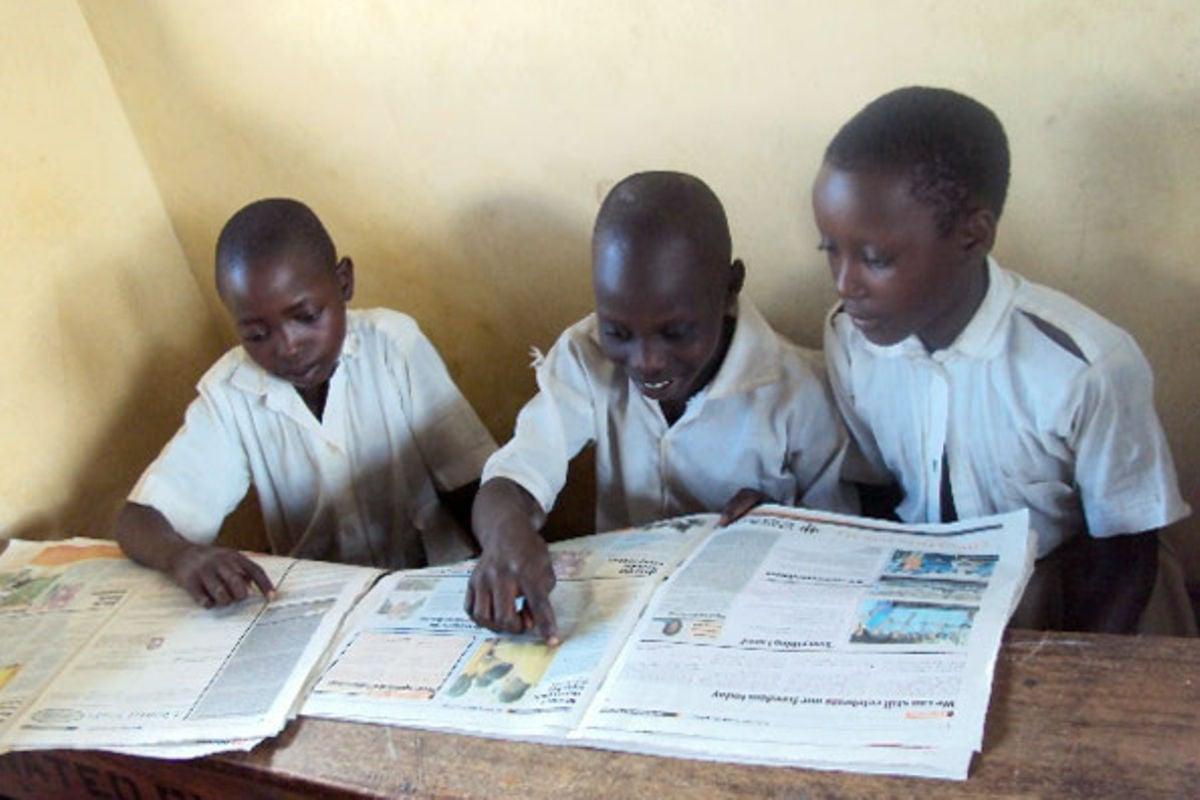
These reforms are long overdue. However, our view is that as a country, we must go beyond introducing new subjects, and begin to question the permeating problems in the sector. Recent research by the Education ministry, Uneb and the evaluation department under the NCDC indicated that children were reaching P7 without knowing how to read and write. This problem was evident in how pupils answered Uneb questions. This explains why 97,109 candidates failed 2022 PLE.
The government foot-dragging on feeding learners under UPLE, has also complicated matters. To have meaningful reforms in the education sector, our view is that these fundamental issues, be looked into seriously. Let’s focus on skills and emphasise learner-centred approaches in all subjects and language competences. The current education system is too theoretical and academic oriented.
The sector is erratic, unhinged and limping with inadequate funding and disgruntled workforce. We must invest in the education sector to be able to provide instructional materials at all levels, strengthen the training of teachers, and provide housing for teachers, increase salaries for all teachers without discrimination and provide accommodation particularly for head teachers, especially in the hard-to-reach areas of Uganda.
We need people with the competencies to achieve the country’s development goals and aspirations. It’s important that we adopt a smart curriculum that speaks to the poverty situation and other challenges we are grappling with as a country. The resource allocation to education sector is another hurdle. It won’t be surprising that the Shs180b NCDC needs for the planned curriculum review, requires concerted lobbying at the higher places of government.
A well-funded and well-packaged curriculum would produce well-rounded primary school leavers who are endowed with knowledge, practical skills, attitudes and values that will enable the jobless youths to create jobs and effectively participate in socio-economic development of our country. At the moment, the country has more “spectators” than “participants” and this is on account of failure to decolonise and vocationalise our curricula.
For More News And Analysis About Uganda Follow Africa-Press