Africa-Press – Uganda. National Unity Platform (NUP) Vice President for the Buganda Region, Mohammad Muwanga Kivumbi, has said that Buganda has increasingly become a refuge for Ugandans from across the country who are struggling to make ends meet, underscoring the region’s central role in Uganda’s socio-economic and political landscape.
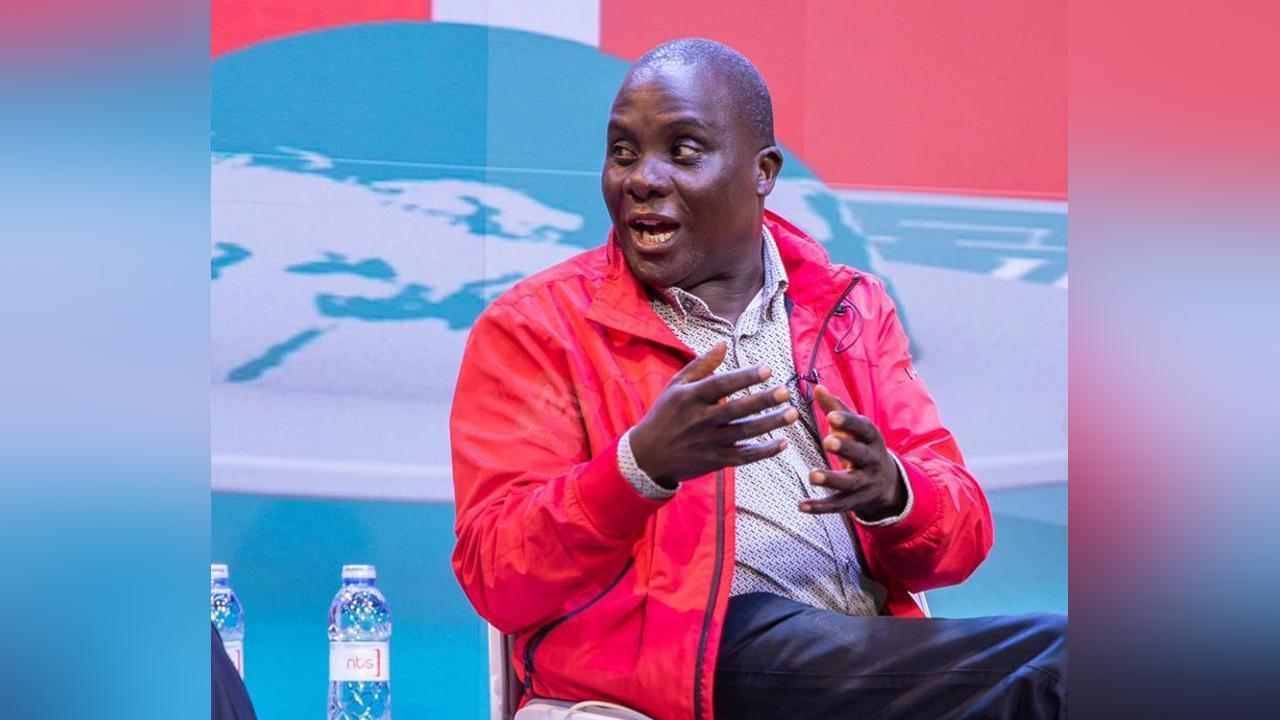
Speaking during NBS Barometer on Tuesday, Kivumbi noted that, to this day, people continue to board buses from various parts of the country heading to Buganda in search of employment opportunities, better livelihoods, and access to services.
“Buganda has become a refuge for people from across Uganda who are struggling to survive. Even today, people board buses from different regions of the country, all coming to Buganda in search of opportunity,” he said.
Kivumbi reflected on the historical relationship between Buganda and President Yoweri Museveni, such as restoration of the Kingdoms and Luweero being central to the 1981-86 bush war, cautioning against relying on past alliances rather than addressing present-day realities.
“Buganda and President Museveni share a history, but we are living in the present. While Museveni once worked with Buganda and lifted restrictions on kingdoms, he did not restore the Buganda Kingdom. The kingdom already existed,” he said.
Kivumbi further highlighted Buganda Kingdom’s long-standing demand for a federal system of governance, arguing that such an arrangement would allow regions to manage their own affairs more effectively.
“It is well known that the Buganda Kingdom wanted a federal system where it would manage its own services such as schools, hospitals, and roads, while the central government would handle national defense, foreign affairs, and tax allocation,” he said.
Kivumbi’s remarks come amid growing political debate over Buganda’s relationship with the ruling National Resistance Movement (NRM) government. Responding to claims that Buganda has been marginalized, James William Kinobe, the NRM Regional Commissioner for Buganda and former Ambassador to Sudan, dismissed such narratives.
“There are narratives suggesting that Buganda has not benefited from this government, but when you look at the top beneficiaries, the Buganda region is among them,” Kinobe said.
Buganda has in recent years emerged as a major political battleground. In the last general elections, the NRM suffered a significant setback in the region, securing only 35% of the presidential vote and winning just 31 out of 105 parliamentary seats.
This marked a dramatic decline from earlier elections, where the ruling party garnered approximately 69% in 2011 and 80% in 2006.
Political analysts largely attributed the poor performance to the rapid rise of Robert Kyagulanyi’s National Unity Platform (NUP), strong youth backing for the opposition, persistent concerns over land grabbing, and internal divisions within the NRM—particularly after several losing candidates contested as independents.
With less than a month to the January 15, 2026 elections, NRM presidential candidate Yoweri Museveni is continuing his campaign tour across the Buganda sub-region. The tour is expected to culminate in a final rally at Kololo Ceremonial Grounds, signaling the ruling party’s renewed effort to regain lost ground in the politically influential region.
For More News And Analysis About Uganda Follow Africa-Press