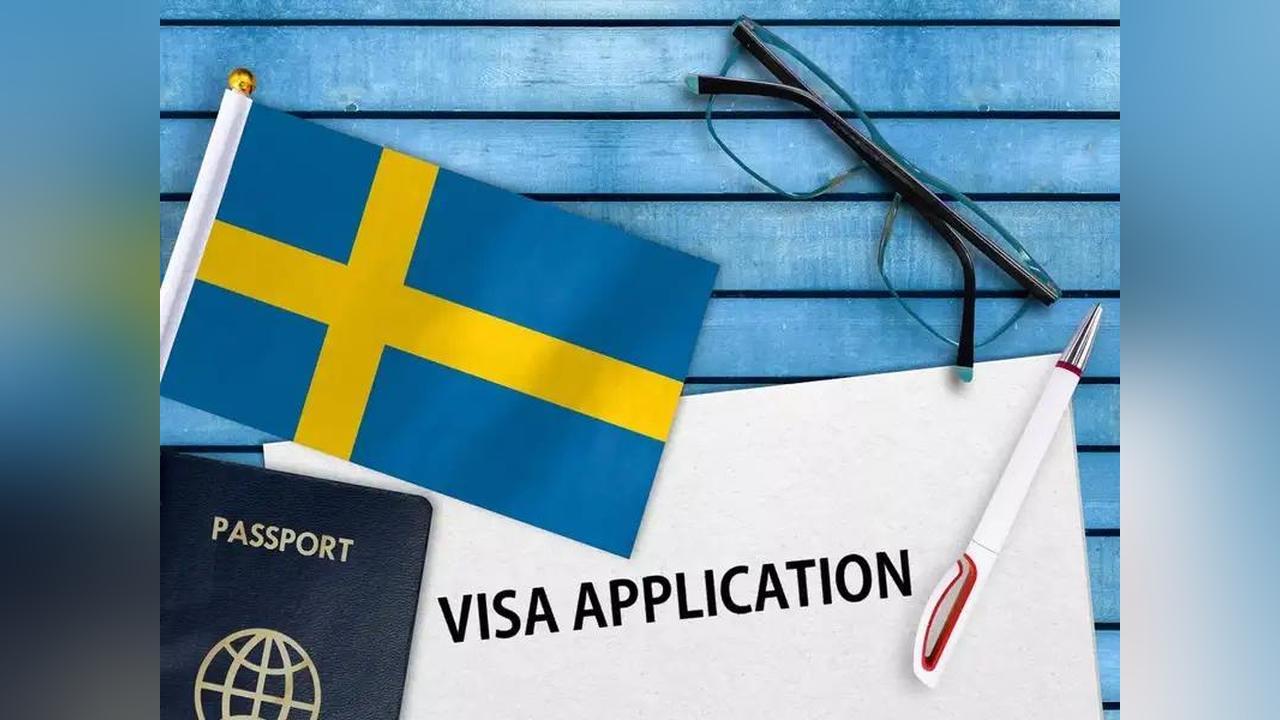
Africa-Press – Uganda. Ugandans wishing to travel to Sweden will no longer be able to obtain migration services, including visas and residence permits, through the Swedish Embassy in Kampala.
From March 2, 2026, all such enquiries and applications must be directed to the Swedish Embassy in Nairobi, Kenya, via the email.
The move is part of a broader strategy by Sweden’s foreign service to centralise migration processing in regional hubs.
Several embassies across Africa have adopted similar measures, directing applicants to neighbouring capitals for interviews, biometric submissions, and long‐term visa processing.
While this can improve efficiency and consistency, it also shifts additional financial and logistical burdens onto applicants.
However, Ambassador Maria Hakansson says Ugandans do not have to travel to Nairobi to complete migration procedures.
“Applicants will not be required to travel to Nairobi,” Amb Hakansson said in a rejoinder to this article.
“In-person procedures such as interviews and biometric submission will still take place at the Swedish Embassy in Kampala.”
She added that short‐stay Schengen visa applications – for tourism, business or visits of up to 90 days – will continue to be submitted locally in Kampala through VFS Global.
Migration experts note that centralising services allows embassies to concentrate skilled staff and resources in key locations, improving processing times and standardisation of decisions.
However, the extra costs may disproportionately affect students, professionals, and families seeking long‐term residence or work permits.
Other Western embassies in Kampala, such as Germany’s mission, continue to offer direct consular services locally, demonstrating that policies vary by country and diplomatic approach.
The Swedish Embassy’s notice underscores that from March 2, Kampala will no longer be a point of contact for migration matters.
Ugandans intending to study, work, or relocate to Sweden must now plan accordingly for travel to Nairobi, marking a significant shift in access to consular support.
This article has been updated following a clarification by Amb Maria Hakansson