Africa-Press – Uganda. Uganda has taken a significant step toward strengthening its renewable energy mix by joining a regional geothermal development programme supported by Agence Française de Dévelopment (AFD), in collaboration with Kenya and Tanzania.
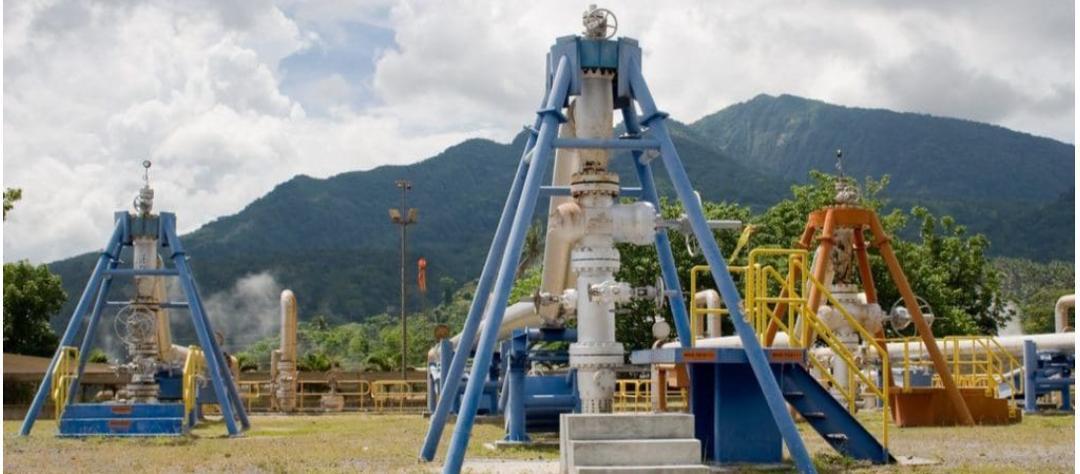
The initiative aims to accelerate geothermal exploration and development across East Africa, positioning the region to tap into one of the most reliable and sustainable energy sources available.
Geothermal energy, a clean and dependable base load resource, is increasingly being viewed as critical to advancing industrialisation, infrastructure growth, and long-term economic transformation. For Uganda, the move reflects a strategic effort to unlock its largely untapped geothermal potential while addressing energy security and climate change challenges.
Speaking during a recent engagement, Grace Tusiime, Under Secretary at the Ministry of Energy and Mineral Development, emphasised the country’s commitment to the programme.
“Uganda greatly values this engagement. We are confident that the technical collaboration with AFD and participating institutions will significantly accelerate our progress in geothermal exploration and development,” she said.
Uganda is estimated to have geothermal potential of up to 1,500 megawatts for electricity generation and as much as 6,000 megawatts for direct heat applications—figures that place it among the region’s promising geothermal frontiers.
Key geothermal sites already under advanced investigation include Kibiro, Panyimur, Buranga, and Katwe.
Across the region, geothermal development remains uneven. Kenya leads the continent with over 900 megawatts of installed capacity, while Tanzania is still in early exploration stages despite an estimated potential exceeding 5,000 megawatts.
The programme’s core objective is to strengthen technical capacity among participating countries, focusing on skills in exploration, supervision, and risk assessment to fast-track project development and reduce uncertainty.
According to Vincent Kato, Commissioner for Geothermal Resources Development, building local expertise is critical to unlocking the sector.
“You can’t engage in something you don’t know how to supervise. We are building competence in supervision and enhancing our geological confidence. This will reduce risk,” he said.
Uganda continues to face the dual challenge of expanding access to affordable, reliable energy while reducing greenhouse gas emissions. Geothermal energy offers a viable solution, given its stability, low emissions, and independence from external market shocks.
Beyond electricity generation, geothermal resources can support industrial processes, boost local economies, and enhance community development through direct heat applications.
Institutionally, Uganda has already laid groundwork for the sector. In 2014, the Ministry of Energy and Mineral Development established a dedicated geothermal resources department to oversee exploration and regulation signalling a sustained policy commitment to clean energy transition.
As collaboration with regional and international partners deepens, Uganda’s participation in the programme underscores a forward-looking strategy anchored on sustainability, energy security, and long-term economic resilience.
For More News And Analysis About Uganda Follow Africa-Press