Africa-Press – Uganda. The Uganda Law Society (ULS) has strongly criticized remarks made by Chief Justice Flavian Zeija, in which he warned that the Judiciary would deal “ruthlessly” with individuals who attack judicial officers on social media, arguing that judges are not immune from public criticism and should not seek to gag dissent.
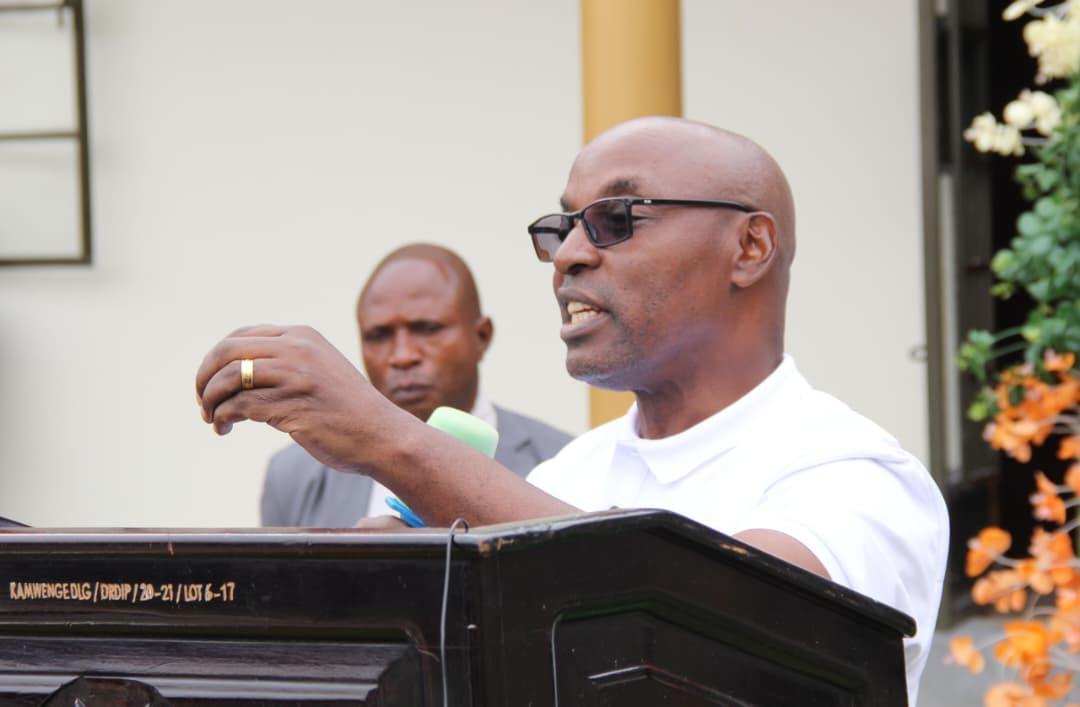
In a strongly worded statement dated February 6, 2026, and signed by ULS leadership led by President Isaac Ssemakadde, the lawyers’ body said Justice Zeija’s comments, made during the Ceremonial Opening of the New Law Year 2026 on Thursday, risk undermining constitutional freedoms and eroding public trust in the Judiciary.
The ULS reaffirmed that freedom of expression, guaranteed under Article 29 of the 1995 Constitution and reinforced by Uganda’s international obligations under instruments such as the African Charter on Human and Peoples’ Rights and the International Covenant on Civil and Political Rights, protects robust, even offensive, public discourse about institutions of state power, including the Judiciary.
“Judges, like all public officials in a democratic society, do not enjoy any special immunity from criticism, caustic commentary, or even outright insult. Public officers exercising immense authority over citizens’ liberties, lives, and property must tolerate a higher threshold of scrutiny than private individuals,” the statement reads.
The ULS warned that threats of intolerance or legal action against critics risk chilling legitimate debate and could further damage the Judiciary’s already fragile public standing. The society decried what it described as the Judiciary’s apparent reliance on colonial-era laws such as the offence of scandalizing the court, criminal libel provisions under the Penal Code Act, and more recent legislation including the Computer Misuse Act and the Data Protection and Privacy Act.
According to the lawyers body, these legal tools have increasingly been used to silence dissent and are incompatible with a modern, independent judiciary in a constitutional democracy.
“An obsession with policing online narratives threatens the very legitimacy the Judiciary claims to uphold,” the statement reads, adding that such an approach risks turning the courts into participants in power politics rather than neutral arbiters of justice.
The ULS further argued that judicial authority derives not from coercion or enforced reverence, but from professionalism, impartiality, transparency, competence, and incorruptibility.
It urged Justice Zeija to abandon what it termed any “declared or implied policy of bellicosity” toward court users, lawyers, and the public, cautioning that similar approaches under previous leadership had produced thin-skinned reactions and damaged public perception.
“If the Judiciary persists in treating critics as enemies rather than stakeholders, the public may increasingly treat judges as politicians,” the statement read, warning of heightened cynicism and further erosion of institutional authority.
Citing the Inspectorate of Government’s Cost of Corruption Report (2021) and other credible sources, the ULS said public perceptions of Uganda’s justice system remain deeply negative, with associations of corruption, opacity, incompetence, lethargy, favouritism, and unequal access to justice. The society argued that these views are rooted in documented challenges such as delayed judgments, perceived executive interference, and systemic barriers for ordinary citizens—not merely social media commentary.
The lawyers called on the Judiciary to prioritize substantive reforms, including clearing case backlogs, ensuring merit-based appointments and promotions, strengthening accountability mechanisms, and demonstrating independence in politically sensitive cases.
“Praise and respect will follow demonstrable improvement—not demands for it. Such recognition must be earned through consistent, courageous, and people-centered adjudication,” the statement reads.
The ULS said it remains open to constructive engagement with the Judiciary, noting that its “Radical New Bar Governing Council” stands ready to support reforms that strengthen justice delivery.
“The Judiciary exists to serve the people, not to be shielded from them,” the statement concluded.
Justice Zeija’s remarks came amid growing concern within the Judiciary over online attacks against judicial officers. Speaking at the opening of the New Law Year, he emphasized that while criticism of court decisions is legitimate, personal attacks on judges undermine judicial independence and public confidence.
“No judicial officer should be harassed by anyone while in the line of duty,” Justice Zeija said, adding that the Judiciary would explore lawful mechanisms to protect officers from online abuse while maintaining transparency and accountability.
The debate intensified following the arrest and remand of outspoken city lawyer Hassan Male Mabirizi, who was charged with hate speech and malicious information.
Mabirizi was arraigned before Buganda Road Chief Magistrate Ritah Neumbe Kidasa and accused of making derogatory statements on TikTok against Justice Musa Ssekaana and Chief Justice Zeija, including allegations of corruption and fraud.
Prosecution alleges that the statements, made in Kampala and Wakiso districts, were false and intended to ridicule, degrade, and demean the judges.
Mabirizi denied the charges and was remanded to Luzira Prison until February 18.